What is Pelvic Organ Prolapse?
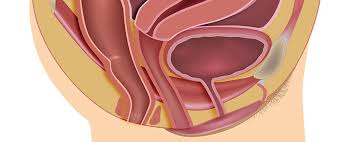
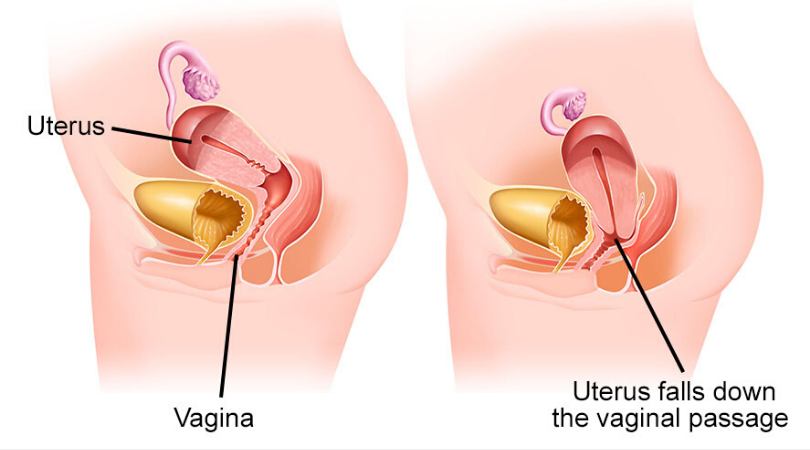
Pelvic Organ Prolapse (POP) occurs when one or more of the pelvic organs—such as the bladder, uterus, rectum, or small intestine—descend from their normal position and push into or outside the vaginal canal. This happens due to weakening or damage to the muscles and connective tissues supporting the pelvic organs.
Causes
What causes Pelvic Organ Prolapse?
POP is mainly caused by weakening of the pelvic floor muscles and connective tissue. Factors that contribute include:
- Childbirth, especially multiple or difficult vaginal deliveries
- Aging and menopause, leading to decreased estrogen and tissue strength
- Chronic constipation or straining during bowel movements
- Obesity
- Heavy lifting or repeated increased abdominal pressure
- Previous pelvic surgery or hysterectomy
- Genetic predisposition to weak connective tissue
Symptoms
What are the symptoms of Pelvic Organ Prolapse?
Symptoms vary depending on the organs involved and severity but may include:
- A feeling of pressure, fullness, or heaviness in the pelvis or vagina
- A visible bulge or protrusion from the vaginal opening
- Discomfort or pain during intercourse
- Urinary problems such as leakage, frequent urination, or difficulty emptying the bladder
- Bowel symptoms such as constipation or difficulty with bowel movements
- Lower back pain
- Recurrent urinary tract infections
Diagnosis
How is Pelvic Organ Prolapse diagnosed?
Diagnosis is based on:
- Medical history and symptom discussion
- Pelvic examination to assess the extent and type of prolapse
- Imaging tests (ultrasound or MRI) in some cases to evaluate pelvic structures
- Urodynamic studies if urinary symptoms are present
Treatment
Can Pelvic Organ Prolapse be treated?
Yes, treatment depends on the severity of prolapse, symptoms, and patient preferences.
What are the treatment options?
- Lifestyle changes: weight loss, avoiding heavy lifting, managing constipation
- Pelvic floor physical therapy to strengthen supporting muscles
- Pessary devices: inserted into the vagina to support pelvic organs
- Medications: topical estrogen creams may improve tissue strength in postmenopausal women
- Surgery: various procedures to repair or support pelvic organs, especially for severe cases or when other treatments fail
Prognosis
What is the outlook for someone with Pelvic Organ Prolapse?
Many people experience improvement with conservative treatments. Surgery can be effective but may carry risks and recurrence is possible. Early diagnosis and management improve quality of life.
Prevention
Can Pelvic Organ Prolapse be prevented?
Preventive strategies include:
- Performing regular pelvic floor exercises (Kegel exercises)
- Maintaining a healthy weight
- Avoiding chronic constipation and straining
- Limiting heavy lifting
- Seeking early treatment for pelvic symptoms
Support and Management
How can patients manage living with Pelvic Organ Prolapse?
- Regular follow-up with a healthcare provider
- Using pessaries correctly if prescribed
- Adhering to pelvic floor therapy programs
- Emotional and psychological support for body image and sexual health concerns
When should someone see a doctor?
If you notice a bulge or pressure in the vaginal area, urinary or bowel changes, or discomfort during daily activities, seek medical evaluation.