What is Oral Thrush?
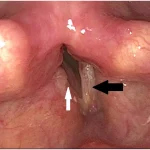
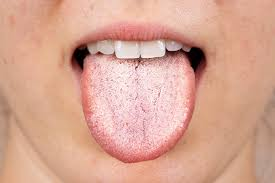
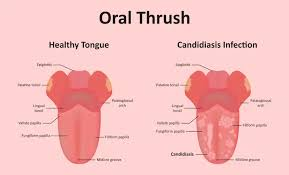
Oral thrush, also known as oral candidiasis, is a fungal infection of the mouth caused by an overgrowth of the Candida species, most commonly Candida albicans. It appears as white or creamy lesions on the tongue, inner cheeks, gums, tonsils, or the roof of the mouth. While it can affect anyone, it is most common in infants, older adults, and individuals with weakened immune systems or underlying health conditions.
What causes Oral Thrush?
Oral thrush occurs when the natural balance of microorganisms in the mouth is disrupted, allowing Candida to multiply excessively.
Common causes include:
- Weakened Immune System: Individuals with HIV/AIDS, cancer, or those on immunosuppressive medications are more prone.
- Antibiotic Use: Broad-spectrum antibiotics can kill off beneficial bacteria, allowing Candida to overgrow.
- Diabetes: High blood sugar levels can promote fungal growth.
- Dentures: Poorly fitting dentures or poor oral hygiene can create an environment for Candida.
- Dry Mouth (Xerostomia): Reduced saliva leads to a higher risk of infection.
- Smoking: Tobacco use can increase susceptibility.
- Steroid Use: Inhaled corticosteroids (for asthma or COPD) may trigger thrush, especially if the mouth isn’t rinsed afterward.
- Infants and Elderly: Both age groups have less robust immune responses, making them more vulnerable.
What are the symptoms of Oral Thrush?
Symptoms of oral thrush can range from mild to severe, depending on the individual’s immune status and underlying conditions.
Common signs and symptoms include:
- White or creamy patches on the tongue, inner cheeks, gums, tonsils, or roof of the mouth.
- Redness or soreness in the mouth and throat.
- Cracking and redness at the corners of the mouth (angular cheilitis).
- Loss of taste or a cottony feeling in the mouth.
- Pain while eating or swallowing.
- In severe cases, thrush can spread to the esophagus, causing difficulty swallowing and chest pain.
In infants, symptoms may include fussiness, difficulty feeding, and white patches in the mouth that don’t wipe off easily.
How is Oral Thrush diagnosed?
Diagnosis is typically based on a physical examination and review of symptoms.
Diagnostic methods may include:
- Visual Inspection: A healthcare provider can often diagnose based on the characteristic appearance of white patches.
- Microscopic Examination: A sample of the lesion can be scraped and examined under a microscope to identify yeast cells.
- Culture: In uncertain cases, a culture may be done to confirm the Candida species.
- Blood Tests: If thrush is recurrent or severe, blood tests may be conducted to check for underlying conditions like diabetes or immune deficiencies.
What are the treatment options for Oral Thrush?
Treatment aims to stop the fungal overgrowth and address any underlying causes.
Common treatment options include:
- Antifungal Medications:
- Topical Treatments: Nystatin (oral suspension), clotrimazole (lozenges), or miconazole gel.
- Systemic Treatments: Fluconazole or itraconazole tablets for severe or resistant cases.
- Treating Underlying Conditions: Better control of diabetes or adjusting medications may help prevent recurrence.
- Improved Oral Hygiene: Brushing the tongue, cleaning dentures, and rinsing after using steroid inhalers.
- Dietary Changes: Reducing sugar intake, which can fuel Candida growth.
- Probiotics: Some people find relief using probiotic supplements or yogurt with active cultures to restore microbial balance.
What is the prognosis for Oral Thrush?
The prognosis for oral thrush is generally excellent with prompt treatment. Most cases resolve within one to two weeks with appropriate antifungal therapy. However, untreated or recurring cases may indicate an underlying health issue that needs attention.
- Infants usually recover quickly with treatment and often do not require systemic medication.
- Adults with chronic or recurrent thrush should be evaluated for diabetes, HIV, or immune suppression.
Can Oral Thrush be prevented?
Yes, several strategies can help reduce the risk of developing oral thrush:
- Maintain Good Oral Hygiene: Brush and floss daily and visit the dentist regularly.
- Rinse After Steroid Inhaler Use: Rinse the mouth with water after using inhaled corticosteroids.
- Control Blood Sugar: Especially in diabetic patients.
- Limit Sugar and Yeast in Diet: A low-sugar diet may discourage fungal overgrowth.
- Disinfect Dentures: Clean and remove dentures at night to prevent infection.
- Avoid Smoking: Tobacco use can disrupt the oral environment.
How can individuals cope with Oral Thrush?
Managing oral thrush includes treating symptoms and reducing the risk of recurrence.
Coping strategies include:
- Follow the full course of antifungal medication even if symptoms improve early.
- Eat soft, non-spicy foods to reduce mouth irritation.
- Stay hydrated to help maintain oral moisture.
- Address underlying health issues with your healthcare provider.
- Seek medical advice if thrush recurs frequently or becomes severe.