


intraduction
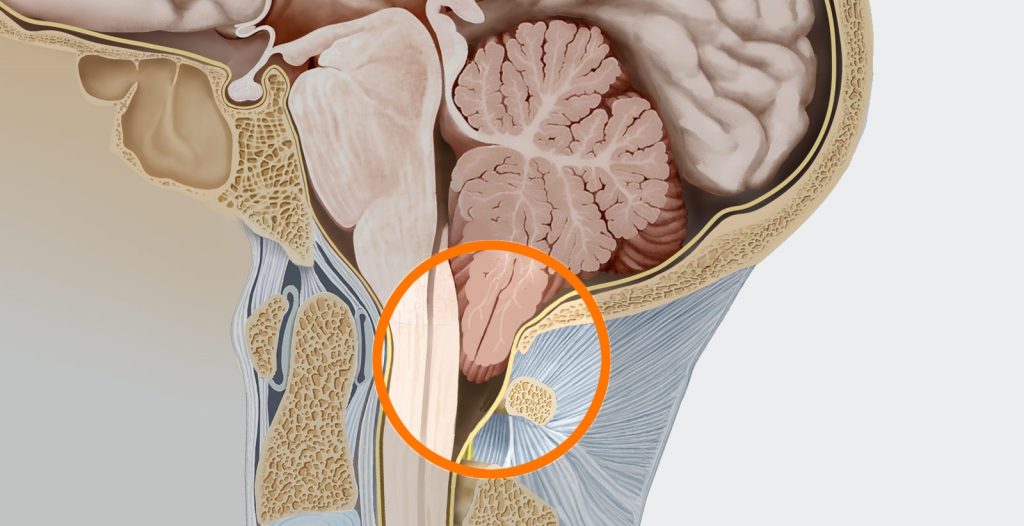
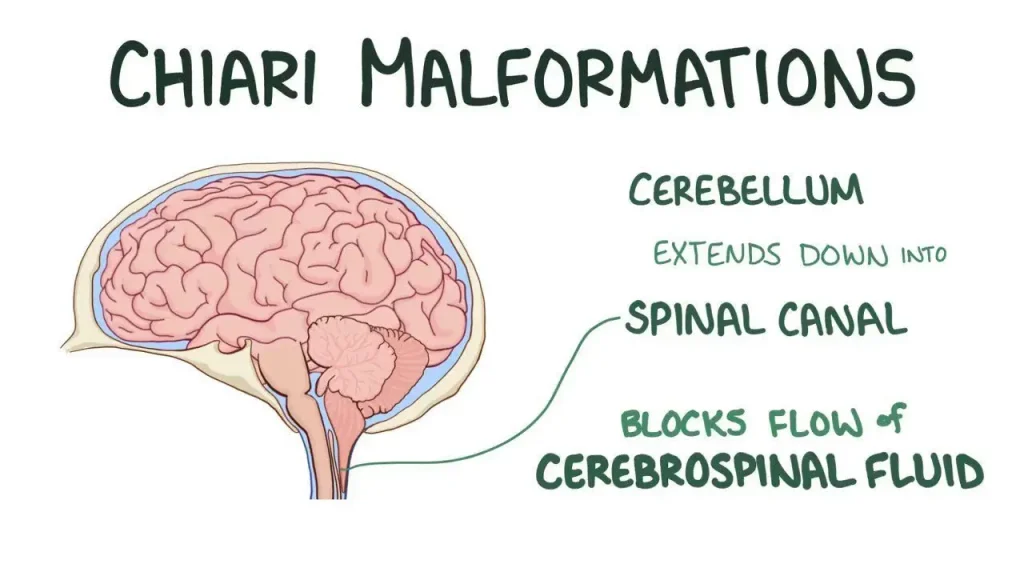
Arnold-Chiari Syndrome (also known as Arnold-Chiari Malformation, ACM) is a rare condition in which part of the brain, particularly the cerebellum, descends into the spinal canal. This condition can put pressure on the brainstem and spinal cord, causing a variety of neurological problems.
The severity and symptoms of Arnold-Chiari Syndrome can vary, with some individuals experiencing mild discomfort while others may face severe complications. Understanding the different types, causes, symptoms, diagnostic methods, and treatment options for Arnold-Chiari Syndrome is crucial for managing the condition effectively.
What is Arnold-Chiari Syndrome?
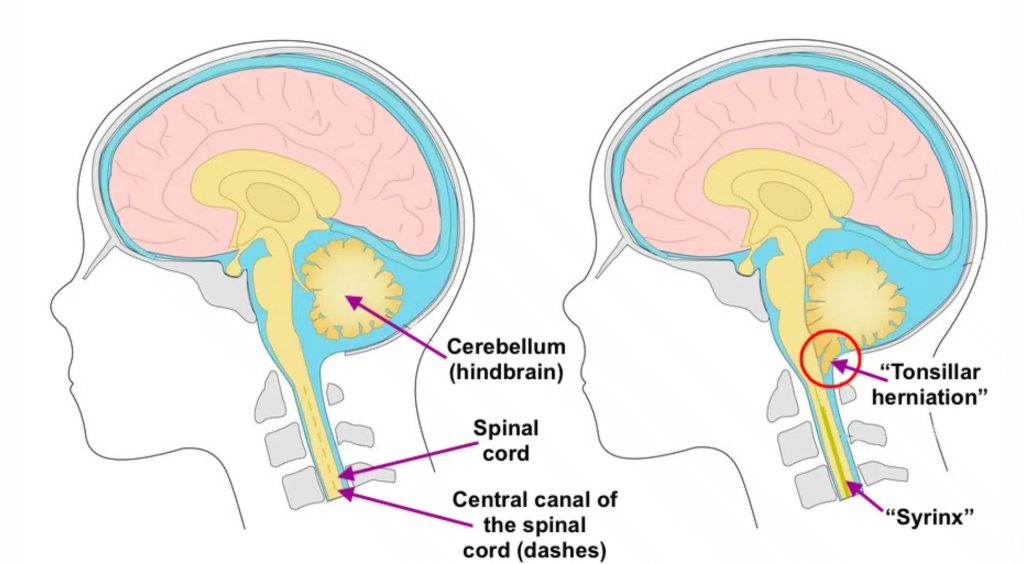
Arnold-Chiari Syndrome is a developmental disorder where part of the cerebellum (the part of the brain responsible for motor control and balance) herniates through the foramen magnum (a large opening at the base of the skull). This can affect the function of the brainstem, spinal cord, and cerebellum, leading to a wide range of symptoms. The severity of symptoms depends on the type and degree of brain herniation.
Types of Arnold-Chiari Malformation
Arnold-Chiari Malformation is categorized into four types, each with its own characteristics and symptoms:
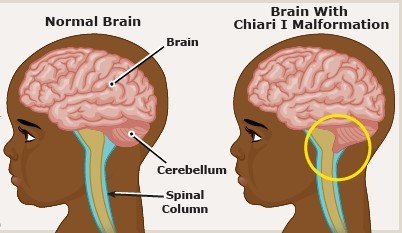
- Type I: This is the most common type. The cerebellar tonsils (the bottom part of the cerebellum) descend into the spinal canal. Symptoms may not appear until adolescence or adulthood.
- Type II: This type is often present at birth and is associated with spina bifida. Both the cerebellum and brainstem are involved in herniation, leading to more significant neurological issues.
- Type III: A severe form where a portion of the cerebellum and the brainstem protrude into the spinal canal. This type often causes profound developmental delays and neurological impairments.
- Type IV: This is a rare and severe type, where the cerebellum is underdeveloped. It is associated with severe neurological disabilities and other developmental complications.
Causes of Arnold-Chiari Syndrome
The exact cause of Arnold-Chiari Syndrome is not entirely understood, but several factors are believed to contribute to its development.
Genetic Factors
- Hereditary Link: There may be a genetic component involved, especially in Type II, where the malformation is often passed down through generations. Certain gene mutations may affect brain and spinal cord development.
Environmental Factors
- Maternal Health: Factors such as infections, toxins, or poor nutrition during pregnancy may increase the risk of developing Arnold-Chiari Malformation.
- Spina Bifida: Type II Arnold-Chiari Malformation is closely linked to spina bifida, a congenital defect where the spinal cord does not fully develop, often leading to cerebellar herniation.
Symptoms of Arnold-Chiari Syndrome
The symptoms of Arnold-Chiari Syndrome can range from mild to severe. Not all individuals with Arnold-Chiari Malformation will experience symptoms. When symptoms do occur, they may include:
Common Symptoms
- Headaches: Usually, these are located in the back of the head and may worsen with coughing, sneezing, or sudden movements.
- Neck Pain: Chronic neck pain and stiffness due to pressure on the spinal cord and brainstem.
- Balance Issues: Problems with coordination and walking, including dizziness and unsteady gait.
- Numbness/Tingling: Sensations of numbness or tingling, particularly in the hands, arms, or legs.
- Muscle Weakness: Weakness in the arms, legs, or hands, affecting the ability to perform daily tasks.
- Vision Problems: Some individuals may experience blurred vision, double vision, or partial loss of vision.
Severe Symptoms
- Difficulty Swallowing: Difficulty swallowing or choking due to brainstem compression.
- Sleep Apnea: Irregular breathing during sleep, leading to periods of breathlessness.
- Motor Coordination Loss: Fine motor difficulties, such as trouble writing or typing, or problems with overall coordination.
- Scoliosis: Abnormal curvature of the spine, especially in children with Type I ACM.
Diagnosis of Arnold-Chiari Syndrome
Diagnosing Arnold-Chiari Syndrome requires a combination of clinical examination and advanced imaging techniques.
Medical History and Physical Examination
A comprehensive medical history and neurological exam are performed. The doctor will inquire about the patient’s symptoms, family history of similar conditions, and any environmental or developmental factors. The physical exam assesses the patient’s muscle strength, coordination, reflexes, and sensory function.
Imaging Tests
- Magnetic Resonance Imaging (MRI): The MRI is the most effective method for diagnosing Arnold-Chiari Malformation. It provides detailed images of the brain and spinal cord, showing the degree of cerebellar herniation and any associated conditions, such as fluid buildup in the brain.
- CT Scan: A CT scan may be used alongside an MRI to assess bone structures around the brain and spine.
Treatment Options for Arnold-Chiari Syndrome
Treatment for Arnold-Chiari Syndrome depends on the type and severity of the condition, as well as the severity of symptoms.
Conservative Treatment
For Type I ACM or mild cases, conservative treatments may help manage symptoms:
- Pain Management: Over-the-counter medications like ibuprofen or acetaminophen can help relieve headaches and neck pain.
- Physical Therapy: Exercises designed to improve balance, coordination, and muscle strength can enhance daily function and prevent further complications.
Surgical Treatment
For severe cases or those with significant neurological symptoms, surgery may be necessary:
- Decompression Surgery: The most common surgical approach for Arnold-Chiari Malformation. It involves removing a small portion of the skull to relieve pressure on the brain and spinal cord.
- Spinal Fusion: If there is spinal instability or scoliosis, a spinal fusion may be required to stabilize the spine.
- Shunt Insertion: If the individual has hydrocephalus (excess fluid in the brain), a shunt may be placed to drain fluid and reduce pressure.
Additional Treatments
- Medication: Medications may be prescribed for pain relief or to treat specific symptoms such as muscle spasms.
- Ongoing Monitoring: Regular follow-up appointments with MRIs and neurological evaluations are essential for monitoring the condition’s progression.
Prognosis for Arnold-Chiari Syndrome
The prognosis for individuals with Arnold-Chiari Syndrome varies widely. Early diagnosis and treatment can help manage symptoms and improve quality of life.
- Type I ACM: Individuals with Type I ACM can live relatively normal lives with careful monitoring and treatment of symptoms. Surgery is often effective in reducing or eliminating symptoms.
- Type II ACM: This type can result in more severe symptoms, particularly in infants, but timely medical intervention can improve long-term outcomes.
- Type III and IV ACM: These forms are often associated with significant developmental disabilities and neurological impairments. The prognosis can be challenging, with treatment focused on symptom management and enhancing the quality of life.