


What is Odontogenic Myxoma?
Odontogenic myxoma is a rare, benign (non-cancerous) tumor that originates from the odontogenic tissues (the tissues involved in the development of teeth). It is an aggressive tumor that often affects the jawbones, particularly the mandible (lower jaw) and maxilla (upper jaw). Though it is non-cancerous, it can grow rapidly and cause significant damage to the surrounding bone and teeth, leading to functional and aesthetic problems.
What Causes Odontogenic Myxoma?
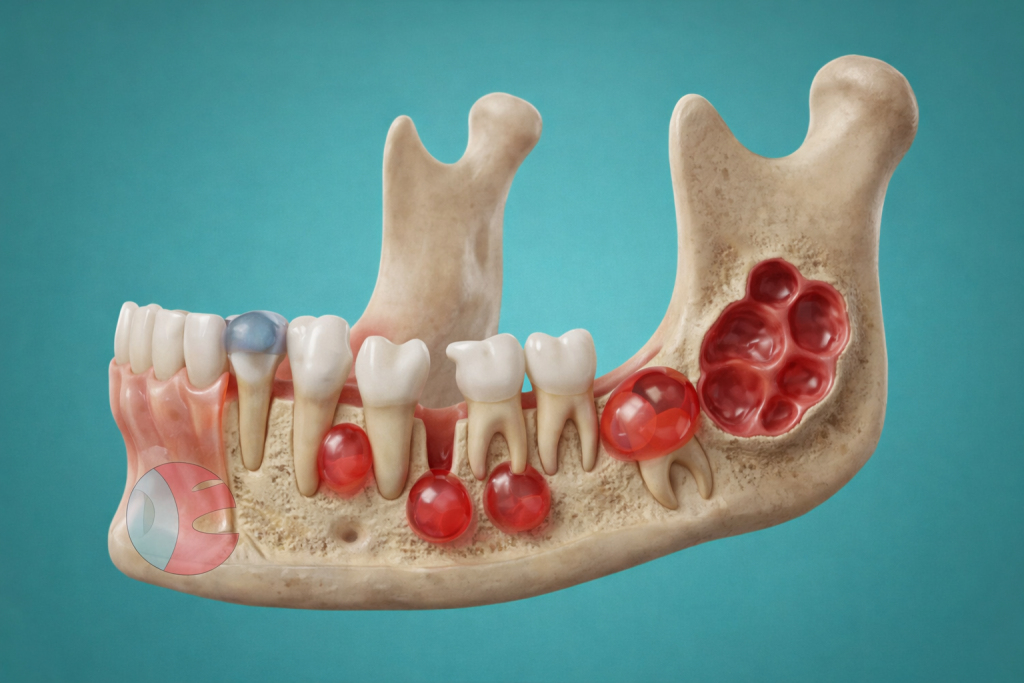
The exact cause of odontogenic myxoma is not fully understood. However, it is thought to develop from the mesodermal layer of the odontogenic apparatus (the tissues that form the teeth). Factors that may contribute to the development of this tumor include:
1. Genetic Factors:
- There is no single identified genetic mutation responsible for odontogenic myxoma, but some studies suggest a possible genetic predisposition.
- Some cases are associated with genetic syndromes such as Nevoid Basal Cell Carcinoma Syndrome (Gorlin Syndrome), although this is rare.
2. Developmental Anomalies:
- The tumor arises from the tooth-forming tissues, making it an odontogenic tumor. It may be associated with disruption in normal tooth development.
3. Trauma or Infection:
- Though trauma and infection are not considered primary causes, they may play a role in the growth or detection of the tumor.
What Are the Symptoms of Odontogenic Myxoma?
Odontogenic myxoma often grows slowly, and in its early stages, it may not cause any noticeable symptoms. However, as the tumor enlarges, various signs and symptoms may develop, including:
1. Swelling:
- A common early sign is noticeable swelling in the jaw or cheek, particularly on one side of the face. This can be painless or associated with discomfort.
2. Pain:
- While many odontogenic myxomas are painless, some individuals may experience pain or tenderness in the affected area due to bone expansion or pressure on adjacent structures.
3. Tooth Mobility:
- The tumor may cause loosening of teeth or misalignment of the teeth, particularly if the tumor involves the tooth sockets or roots.
4. Facial Deformity:
- If the tumor grows large enough, it can lead to visible changes in facial appearance, including asymmetry or distortion of the jaw.
5. Difficulty with Eating or Speaking:
- Large tumors may interfere with the function of the jaw, making it difficult to chew, speak, or even close the mouth properly.
6. Cystic Lesions:
- In some cases, odontogenic myxomas may cause cystic lesions in the jaw, which can appear as holes or voids in the bone on imaging studies.
How is Odontogenic Myxoma Diagnosed?
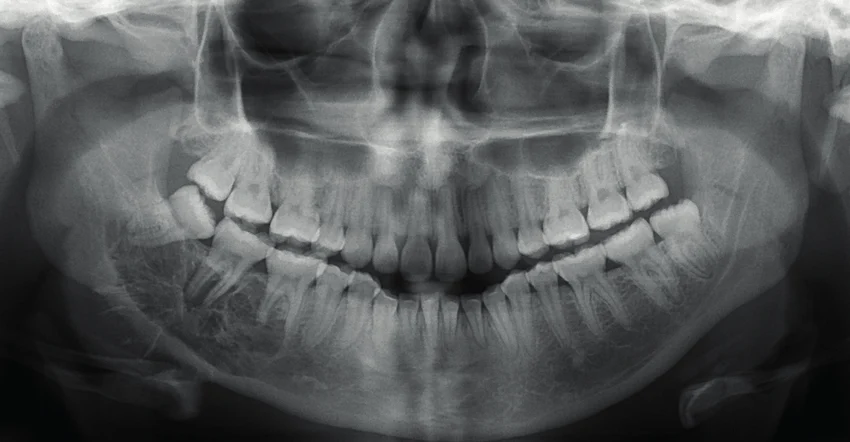
The diagnosis of odontogenic myxoma is typically made using a combination of clinical evaluation, imaging studies, and biopsy.
1. Clinical Evaluation:
- A healthcare provider will first conduct a physical exam to assess the swelling, pain, and any tooth mobility. The symptoms may prompt further investigation with imaging tests.
2. Imaging:
- X-rays: Dental X-rays are commonly used to identify abnormalities in the jawbone and teeth. A panoramic X-ray can reveal the extent of the tumor’s involvement with the bone.
- CT scans: A computed tomography (CT) scan provides more detailed images of the bone structure and can show the extent of the tumor’s spread in the jaw.
- MRI: Magnetic resonance imaging (MRI) can be helpful in assessing soft tissue involvement, especially if the tumor is near critical structures such as nerves or blood vessels.
3. Biopsy:
- A biopsy (a sample of the tumor tissue) is necessary to confirm the diagnosis. Under a microscope, odontogenic myxoma appears as a gelatinous, fibrous tissue with scattered cells and fibers, which distinguishes it from other tumors.
4. Histopathological Examination:
- The histological examination of the biopsy reveals a myxoid stroma (a gelatinous substance) interspersed with fibroblasts and collagen fibers, which helps to differentiate odontogenic myxoma from other odontogenic lesions.
How is Odontogenic Myxoma Treated?
Treatment for odontogenic myxoma involves the removal of the tumor and, in some cases, the affected portion of the jawbone. The goal is to completely excise the tumor while preserving as much healthy bone and tooth structure as possible.
1. Surgical Removal:
- The primary treatment is surgical excision of the tumor. Depending on the size and location of the tumor, the surgery may involve removing part or all of the affected jawbone. A wide margin of tissue is typically removed to ensure that the tumor is completely excised and reduce the risk of recurrence.
- Reconstructive Surgery: In some cases, after the tumor is removed, reconstructive surgery may be needed to restore the shape and function of the jaw. This may include bone grafts or the use of artificial implants to rebuild the jaw structure.
2. Follow-up Care:
- Regular follow-up visits are necessary after treatment to monitor for any signs of recurrence. Odontogenic myxoma has a high recurrence rate if not completely excised.
- Imaging tests may be performed at regular intervals to check for tumor recurrence, particularly during the first 5 years after surgery.
3. Radiation Therapy:
- Radiation therapy is generally not used for odontogenic myxoma because the tumor is benign. However, in rare cases where the tumor is recurrent and surgery is not possible, radiation therapy may be considered.
What is the Prognosis for Odontogenic Myxoma?
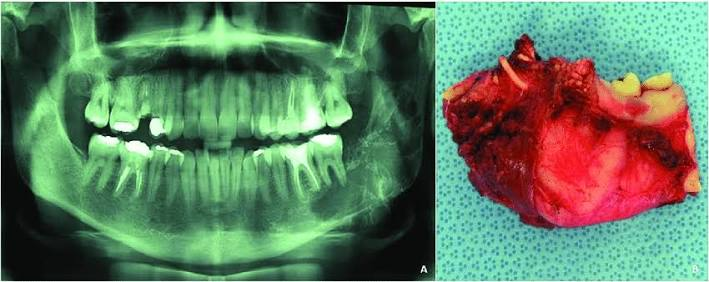
The prognosis for individuals with odontogenic myxoma is generally good, especially if the tumor is diagnosed early and completely removed. However, the tumor has a tendency to recur, which can complicate treatment and lead to the need for additional surgeries.
1. Recurrence Rate:
- The recurrence rate of odontogenic myxoma is relatively high, ranging from 25% to 40%. This makes it crucial to ensure that the tumor is completely excised with healthy margins of tissue.
2. Long-term Outlook:
- Once treated with appropriate surgical intervention and regular monitoring, the long-term outlook is typically positive. Most individuals recover without major complications, though the cosmetic and functional outcomes depend on the extent of the tumor and the surgery.
When Should I See a Doctor?
You should see a healthcare provider if you experience any of the following symptoms:
- Swelling or a lump in the jaw or mouth that does not resolve.
- Loose teeth or changes in tooth alignment.
- Pain or discomfort in the jaw or mouth.
- Difficulty chewing, speaking, or swallowing.
- Visible changes in facial appearance.
If you notice any of these symptoms, it is important to seek medical attention promptly for evaluation and diagnosis.
Frequently Asked Questions (FAQs)
What is Odontogenic Myxoma?
Odontogenic myxoma is a rare, benign tumor that arises from the tissues involved in the development of teeth. It typically affects the jawbones and can cause swelling, pain, and changes in tooth alignment.
How is Odontogenic Myxoma treated?
The primary treatment for odontogenic myxoma is surgical excision of the tumor. In some cases, reconstructive surgery may be required to restore the jaw’s structure. Regular follow-up is essential to monitor for recurrence.
Is Odontogenic Myxoma life-threatening?
Odontogenic myxoma is benign and not life-threatening, but it can cause significant damage to the jaw and surrounding structures if left untreated. It also has a relatively high recurrence rate, making careful management crucial.
How do I know if I have Odontogenic Myxoma?
If you experience symptoms such as swelling, pain, or loosening of teeth, it’s important to visit a dentist or oral surgeon. Imaging tests like X-rays and CT scans, along with a biopsy, can confirm the diagnosis.
