What is Nontuberculous Mycobacterial Lung Disease?
Nontuberculous mycobacterial (NTM) lung disease refers to lung infections caused by a group of bacteria known as nontuberculous mycobacteria. These bacteria are found in various environments, including soil, water, and dust. Unlike the more common tuberculosis (TB), NTM lung disease is caused by a variety of different species of mycobacteria, which can lead to chronic, sometimes severe lung infections, especially in people with underlying lung conditions.
NTM Lung Disease Overview
Nontuberculous mycobacteria do not typically cause disease in healthy individuals. However, in people with weakened immune systems or pre-existing lung diseases, these bacteria can invade the lungs and cause chronic lung infections. The disease can range from mild to severe and may require long-term treatment.
Causes of Nontuberculous Mycobacterial Lung Disease?
Nontuberculous mycobacterial infections are caused by various species of mycobacteria, including Mycobacterium avium complex (MAC), Mycobacterium abscessus, Mycobacterium kansasii, and Mycobacterium fortuitum, among others. These bacteria are ubiquitous in the environment and can enter the body through the respiratory system when inhaled from contaminated air, water, or dust.
Risk Factors
Certain factors increase the likelihood of developing NTM lung disease:
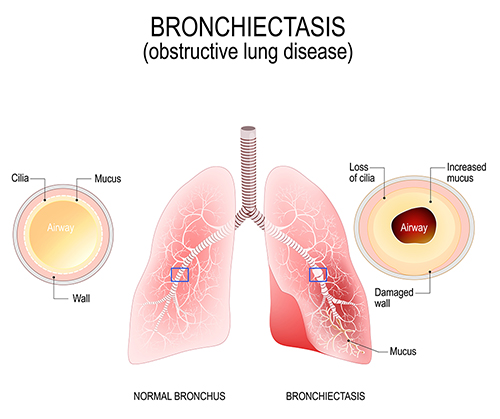
- Pre-existing lung diseases: Conditions like chronic obstructive pulmonary disease (COPD), cystic fibrosis, bronchiectasis, or emphysema can make the lungs more vulnerable to NTM infections.
- Weakened immune system: People with compromised immune systems, such as those with HIV/AIDS, cancer, or those undergoing immunosuppressive treatments, are at higher risk.
- Age and Gender: NTM lung disease is more commonly seen in older adults and is more frequent in women, especially those with underlying lung conditions.
- Environmental exposure: Living in areas where NTM species are prevalent, such as regions with high humidity or exposure to contaminated water, can increase the risk.
Symptoms of Nontuberculous Mycobacterial Lung Disease?
The symptoms of NTM lung disease can be similar to other lung infections or chronic lung conditions. They may develop gradually, and symptoms may worsen over time. Common symptoms include:
1. Persistent Cough
- A chronic, persistent cough that may last for weeks or months is one of the hallmark symptoms of NTM lung disease.
2. Shortness of Breath
- As the infection progresses, individuals may experience difficulty breathing or shortness of breath, particularly during physical activity.
3. Fatigue
- Generalized fatigue or weakness, even with adequate rest, is common in people with chronic infections like NTM lung disease.
4. Coughing Up Mucus or Blood
- Individuals with NTM lung disease may cough up thick, discolored mucus or even blood as the infection causes irritation in the lungs.
5. Chest Pain
- Chest discomfort or pain may occur, particularly when breathing deeply or coughing.
6. Weight Loss and Night Sweats
- Unexplained weight loss, along with night sweats and fever, can indicate a more severe infection.
Diagnosis of Nontuberculous Mycobacterial Lung Disease?
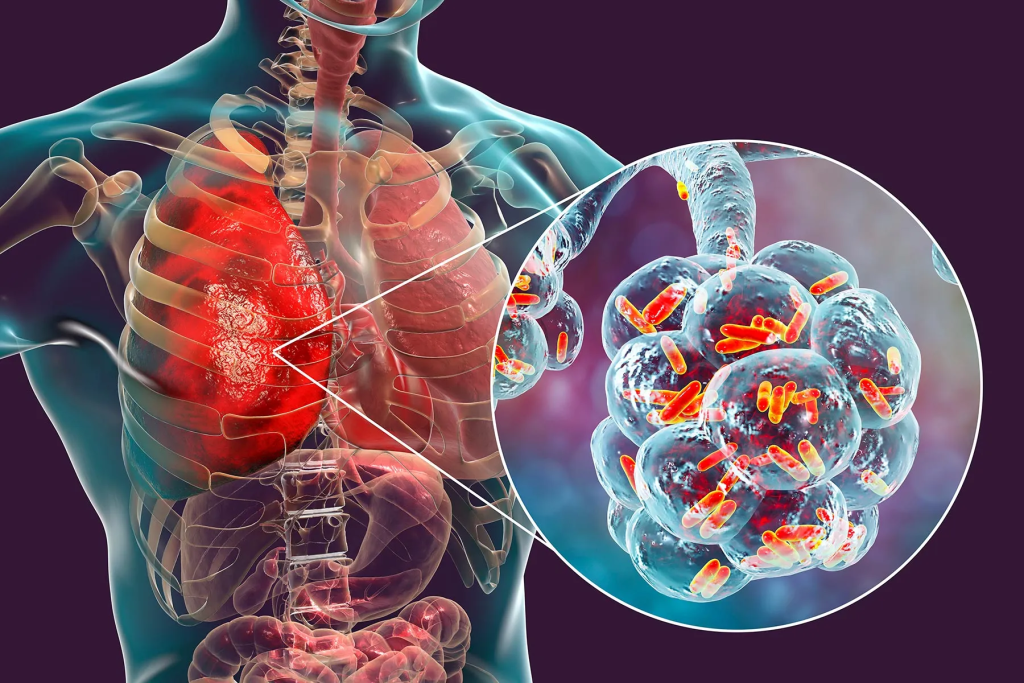
Diagnosing NTM lung disease can be challenging, as its symptoms overlap with other respiratory conditions. A thorough evaluation, including medical history, imaging, and laboratory tests, is required for an accurate diagnosis.
1. Medical History and Symptoms
- The physician will start by reviewing the patient’s symptoms, underlying health conditions, and any environmental exposures that may contribute to NTM lung disease.
2. Imaging Tests
- Chest X-ray: This may show abnormalities in the lungs, such as scarring or inflammation.
- CT scan: A more detailed imaging test, CT scans can identify specific patterns of lung damage associated with NTM infections.
3. Microbiological Tests
- Sputum cultures: A sample of mucus from the lungs is collected through coughing and analyzed in a laboratory to identify the presence of NTM bacteria.
- Bronchoscopy: In some cases, a bronchoscopy may be performed to obtain lung tissue samples for analysis if sputum cultures are not sufficient.
- Blood tests: While not typically used to diagnose NTM lung disease, blood tests can be helpful in assessing the overall health of the patient and ruling out other potential causes of symptoms.
4. Molecular Testing
- Polymerase chain reaction (PCR) and other molecular diagnostic tests may be used to specifically identify the bacterial species causing the infection.
Treatment of Nontuberculous Mycobacterial Lung Disease?
The treatment of NTM lung disease often involves a combination of antibiotics, and the treatment regimen can vary based on the specific species of NTM involved, the severity of the infection, and the patient’s health status.
1. Antibiotic Therapy
- Multidrug regimen: Treatment usually involves a combination of several antibiotics over a prolonged period, often 12 to 18 months or longer. Common antibiotics include:
- Macrolides (e.g., clarithromycin, azithromycin)
- Rifamycins (e.g., rifampin)
- Aminoglycosides (e.g., amikacin)
- Fluoroquinolones (e.g., moxifloxacin)
- Cephalosporins or imipenem for resistant strains.
- Treatment for specific species: The exact combination and duration of antibiotics will vary depending on which species of NTM is responsible for the infection.
2. Surgical Intervention
- In cases of localized infection that do not respond to antibiotics, surgery may be required to remove infected tissue or a portion of the lung. Surgery is typically considered when the infection is severe or localized to one part of the lung.
3. Supportive Care
- Oxygen therapy may be needed for individuals with significant breathing difficulties.
- Pulmonary rehabilitation may help improve lung function and quality of life in those with chronic infections or respiratory distress.
Prognosis of Nontuberculous Mycobacterial Lung Disease?
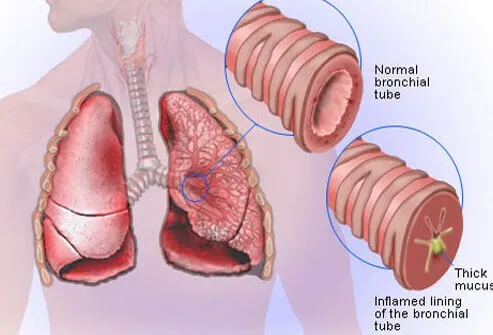
The prognosis for NTM lung disease varies based on the severity of the infection, the patient’s underlying health, and how well the infection responds to treatment. With early diagnosis and appropriate treatment, many individuals can manage the disease and live relatively normal lives. However, the infection may be chronic in some cases, requiring ongoing treatment and management.
For those with underlying lung diseases like bronchiectasis or COPD, the prognosis may be less favorable, and the infection can exacerbate existing respiratory issues.
Prevention of Nontuberculous Mycobacterial Lung Disease?
While it may not be possible to entirely prevent NTM lung disease, certain steps can reduce the risk of infection, especially for individuals with predisposing health conditions:
1. Avoiding Environmental Exposure
- Limiting exposure to dust, water, or soil in areas where NTM bacteria are common may reduce the risk of infection, especially in those with compromised immune systems or pre-existing lung conditions.
2. Maintaining Good Lung Health
- Managing chronic lung conditions and avoiding smoking can help reduce the likelihood of developing lung infections, including NTM lung disease.
3. Regular Medical Checkups
- Individuals with underlying lung diseases should have regular checkups with a healthcare provider to monitor their lung health and detect any potential infections early.