


What is Aortic Regurgitation?
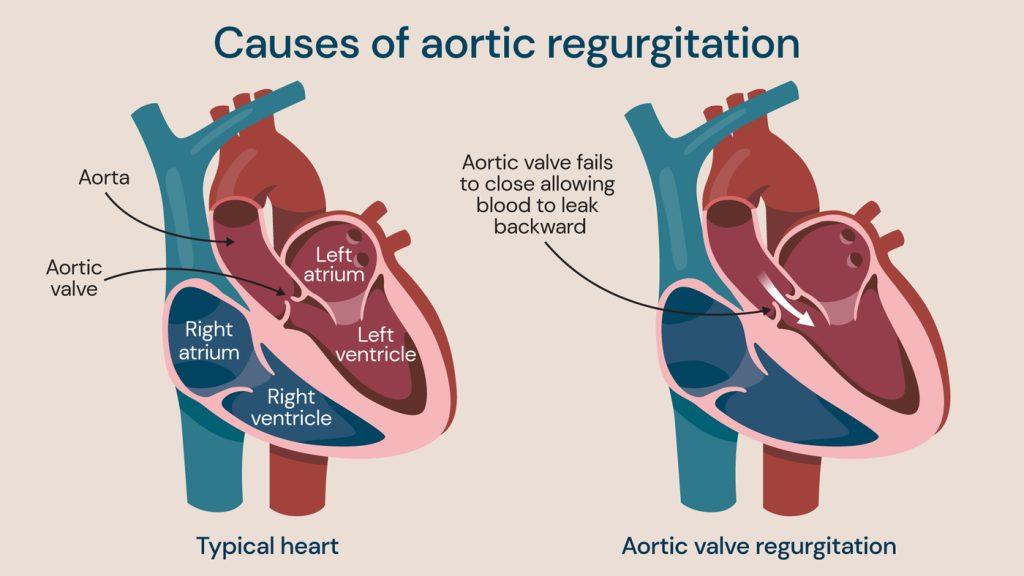
Aortic regurgitation (AR), also known as aortic insufficiency, is a heart condition in which the aortic valve does not close properly, leading to blood flowing backward into the left ventricle. This backward flow, or regurgitation, forces the heart to work harder to pump blood throughout the body, which can eventually lead to symptoms like fatigue, shortness of breath, and, if untreated, heart failure. The condition can be acute (developing suddenly) or chronic (developing over a long period of time).
What Causes Aortic Regurgitation?
Aortic regurgitation can be caused by various factors that affect the aortic valve or the aorta, leading to improper valve closure. The common causes include:
1. Valve Abnormalities
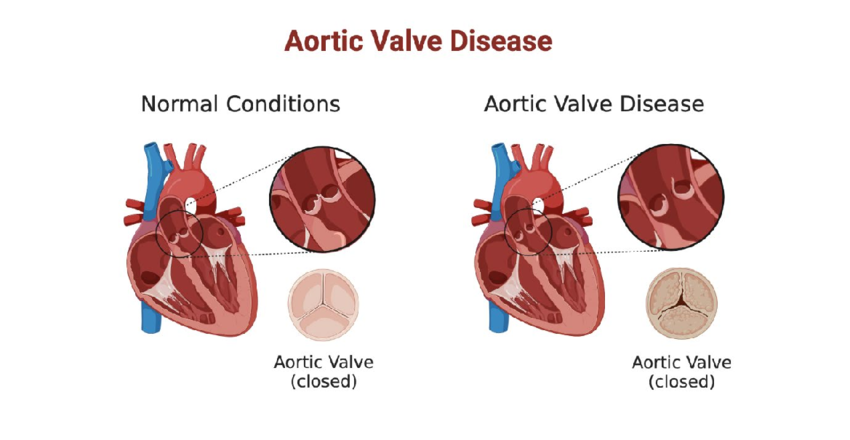
- Bicuspid aortic valve: A congenital heart defect where the aortic valve has two leaflets instead of the usual three, which can impair proper closure and lead to regurgitation.
- Rheumatic heart disease: This complication of rheumatic fever (caused by untreated strep throat) can cause the aortic valve to become damaged and leaky over time.
- Endocarditis: Infections of the heart’s inner lining, usually caused by bacteria, can damage the valve and cause aortic regurgitation.
2. Aortic Root Dilation
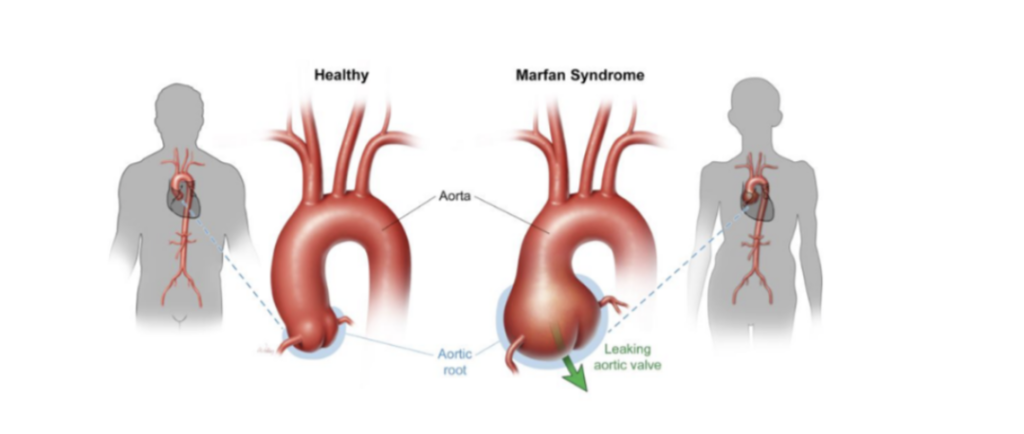
- Aortic root dilation occurs when the section of the aorta closest to the heart (the aortic root) becomes enlarged, which prevents the aortic valve from sealing properly. This can be due to conditions like high blood pressure (hypertension), Marfan syndrome, and Ehlers-Danlos syndrome.
3. Aortic Dissection
- Aortic dissection, a tear in the inner layer of the aorta, can disrupt the structure of the aortic valve and lead to aortic regurgitation.
4. Trauma or Injury
- Chest trauma or injury to the heart can damage the aortic valve, causing regurgitation.
5. Degenerative Valve Disease
- Calcification or thickening of the aortic valve, typically due to aging or long-standing hypertension, can prevent the valve from closing properly, leading to regurgitation.
6. Connective Tissue Disorders
- Marfan syndrome, Ehlers-Danlos syndrome, and other connective tissue disorders can weaken the aortic valve and the aorta, increasing the risk of aortic regurgitation.
Symptoms of Aortic Regurgitation
The symptoms of aortic regurgitation can range from mild to severe, and some people may not experience noticeable symptoms until the condition becomes more advanced. Common symptoms include:
1. Fatigue
- Individuals with aortic regurgitation often feel excessively tired or weak, especially with physical exertion, as the heart has to work harder to compensate for the backward blood flow.
2. Shortness of Breath
- Difficulty breathing, particularly during physical activity or when lying flat, is a common symptom due to blood backing up into the lungs.
3. Palpitations
- People with aortic regurgitation may experience an irregular or rapid heartbeat (palpitations) as the heart tries to pump blood more forcefully to compensate for the regurgitation.
4. Swelling (Edema)
- Swelling in the legs, ankles, or abdomen can occur due to heart failure, a potential complication of untreated aortic regurgitation.
5. Chest Pain
- Some individuals may experience chest discomfort or pain, particularly during exertion or after physical activity.
6. Lightheadedness or Fainting
- A lack of adequate blood flow to the brain may cause dizziness or fainting in severe cases.
7. Heart Murmur
- A characteristic heart murmur may be heard by a doctor using a stethoscope. This murmur is caused by the turbulent flow of blood through the regurgitant valve.
8. Decreased Exercise Tolerance
- People with aortic regurgitation may notice a reduction in their ability to exercise or engage in physical activities due to the strain on their heart.
How is Aortic Regurgitation Diagnosed?
Aortic regurgitation is typically diagnosed through a combination of physical exams, imaging tests, and sometimes blood tests. The following methods are used:
1. Physical Exam
- A doctor will listen for abnormal sounds (murmurs) with a stethoscope. A diastolic murmur, which occurs when the heart relaxes between beats, is a key sign of aortic regurgitation.
- The doctor may also check for signs of heart failure, such as swelling in the legs or abdomen.
2. Echocardiogram (Ultrasound of the Heart)
- An echocardiogram is the most important test for diagnosing aortic regurgitation. This imaging technique uses sound waves to produce images of the heart, showing the size and shape of the heart, the condition of the aortic valve, and how much blood is flowing backward.
3. Electrocardiogram (ECG or EKG)
- An ECG records the heart’s electrical activity and can help detect irregular heart rhythms (arrhythmias) that may occur in people with aortic regurgitation.
4. Chest X-ray
- A chest X-ray can reveal signs of an enlarged heart, which may be a result of the heart working harder to compensate for the regurgitation.
5. Cardiac MRI
- Cardiac MRI provides detailed images of the heart and blood vessels, helping doctors assess the severity of aortic regurgitation and any associated complications.
6. Cardiac Catheterization
- In certain cases, a cardiac catheterization procedure may be performed to measure the pressures inside the heart and evaluate the severity of the regurgitation.
Treatment for Aortic Regurgitation
The treatment for aortic regurgitation depends on the severity of the condition, the presence of symptoms, and whether complications like heart failure have developed. Treatment options may include:
1. Medications
- Blood pressure medications: ACE inhibitors, beta-blockers, or calcium channel blockers may be prescribed to reduce the workload on the heart and lower blood pressure.
- Diuretics: If heart failure is present, diuretics (also known as water pills) may be used to help reduce fluid buildup in the body.
- Vasodilators: These medications relax and widen blood vessels to reduce the strain on the heart and improve blood flow.
2. Regular Monitoring
- For mild cases of aortic regurgitation, doctors may recommend regular monitoring with echocardiograms to track the progression of the condition.
3. Surgical Treatment
- Aortic valve repair: If the valve is damaged but still functional, a surgical procedure may be performed to repair the valve and restore its normal function.
- Aortic valve replacement: In cases where the valve cannot be repaired, it may need to be replaced with a mechanical valve or biological valve made from animal or human tissue.
- Aortic root surgery: If the aorta is dilated, surgery may be required to replace the affected section of the aorta and the aortic valve.
4. Endovascular Treatment
- In some cases, particularly for patients who are not suitable candidates for open-heart surgery, a procedure called endovascular valve replacement (a minimally invasive technique) may be performed to treat aortic regurgitation.
5. Heart Transplantation
- In rare and severe cases, especially when aortic regurgitation has caused irreversible heart failure, a heart transplant may be necessary.
Complications of Aortic Regurgitation
If left untreated, aortic regurgitation can lead to significant complications, including:
1. Heart Failure
- Over time, the extra strain on the heart can lead to heart failure, in which the heart is no longer able to pump blood effectively to meet the body’s needs.
2. Atrial Fibrillation
- People with aortic regurgitation are at higher risk of developing atrial fibrillation, an irregular heart rhythm that can further complicate the condition and increase the risk of stroke.
3. Endocarditis
- The damage to the aortic valve increases the risk of infective endocarditis, a serious infection of the heart lining and valves.
4. Aortic Dissection
- Severe aortic regurgitation, particularly in the presence of aortic root dilation, can lead to a tear in the aorta (aortic dissection), which is a medical emergency.
5. Stroke
- The increased risk of arrhythmias and blood clots in people with aortic regurgitation can increase the risk of stroke.
Prevention of Aortic Regurgitation
While it may not always be preventable, several measures can help reduce the risk of developing aortic regurgitation:
1. Control High Blood Pressure
- Properly managing high blood pressure can reduce the strain on the aorta and prevent aortic root dilation, which can lead to regurgitation.
2. Regular Check-ups
- Individuals with a bicuspid aortic valve or family history of heart disease should have regular cardiac evaluations to monitor the condition of the aortic valve and aorta.
3. Treating Infections Promptly
- Rheumatic fever and endocarditis are preventable conditions that can damage the aortic valve. Treating strep throat with antibiotics and practicing good dental hygiene can reduce the risk of infective endocarditis.
4. Avoid Chest Injuries
- Protecting the chest from injury, especially in those with pre-existing valve problems, can prevent further damage to the aortic valve.