What Is Neurotoxicity?
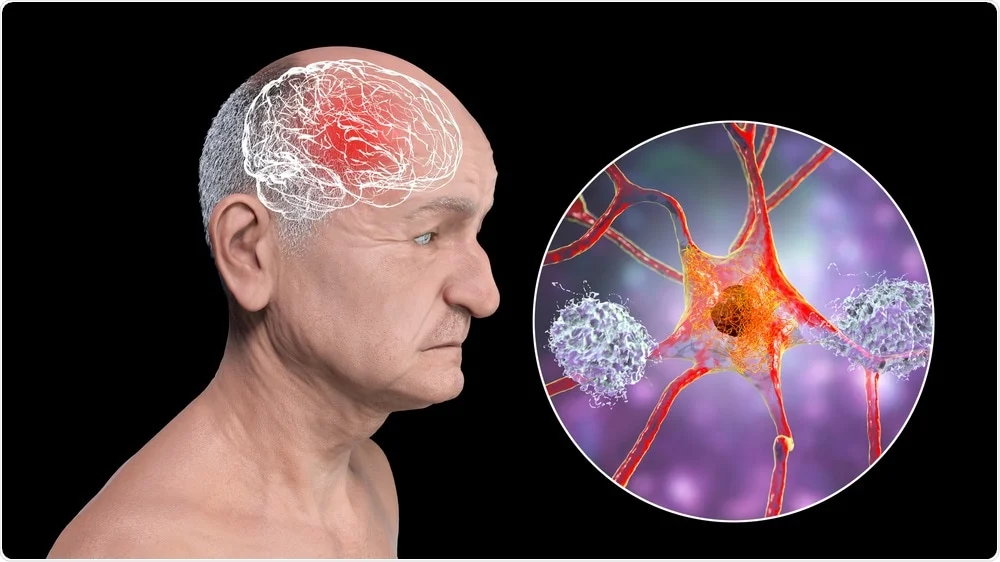
Neurotoxicity refers to damage to the nervous system caused by exposure to toxic substances. These toxins can affect either the central nervous system (CNS) or the peripheral nervous system (PNS). Neurotoxicity can be caused by a variety of environmental, pharmaceutical, and biological agents, including chemicals, heavy metals, drugs, and infections.
Neurotoxins disrupt the normal functioning of nerve cells, leading to symptoms ranging from mild cognitive issues to severe conditions like paralysis, memory loss, or even coma. Depending on the cause and severity, neurotoxicity can be reversible or permanent.
Causes of Neurotoxicity?
Several factors can lead to neurotoxicity. Common causes include:
1. Chemical Exposure
- Heavy metals: Such as lead, mercury, and arsenic.
- Pesticides and solvents: Commonly found in occupational settings or contaminated environments.
- Industrial chemicals: Exposure to harmful substances in factories or industrial areas.
2. Medications and Drugs
- Some pharmaceutical drugs can have neurotoxic side effects, including certain cancer treatments (chemotherapy), anticonvulsants, and antibiotics.
- Recreational drugs like alcohol, cocaine, and methamphetamine can cause significant neurotoxicity.
3. Biological Agents
- Infections: Certain bacterial or viral infections can lead to neurotoxicity. For example, botulinum toxin produced by Clostridium botulinum bacteria can lead to paralysis.
- Toxins from infections: Certain infections, such as meningitis or encephalitis, can cause neurotoxic damage to the brain and spinal cord.
4. Environmental Toxins
- Air pollution and second-hand smoke can introduce neurotoxic substances into the body.
- Contaminated water or food sources can also introduce toxins that affect the nervous system.
5. Genetic Factors
- Some individuals may have genetic predispositions that make them more susceptible to neurotoxic effects from certain substances, including medications or environmental toxins.
Symptoms of Neurotoxicity?
The symptoms of neurotoxicity vary depending on the substance involved, the level of exposure, and whether the damage is temporary or permanent. Common symptoms include:
1. Cognitive and Behavioral Symptoms
- Memory loss or difficulty concentrating.
- Confusion or disorientation.
- Mood changes, such as depression or irritability.
- Personality changes and difficulty with decision-making.
2. Motor and Sensory Symptoms
- Weakness or muscle tremors.
- Numbness or tingling in the hands, feet, or face.
- Coordination problems or difficulty walking (ataxia).
- Vision problems, such as blurred or double vision.
3. Autonomic Symptoms
- Difficulty breathing or shortness of breath.
- Sweating or temperature regulation problems.
- Nausea, vomiting, and abdominal pain.
4. Severe Symptoms
- Seizures or convulsions.
- Coma or loss of consciousness.
- Paralysis or loss of motor function.
Diagnosis of Neurotoxicity?
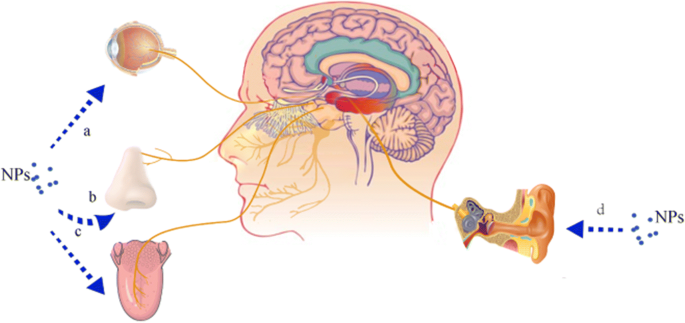
Diagnosing neurotoxicity begins with a detailed patient history and a physical examination. The physician will inquire about potential exposures to toxic substances, including chemicals, medications, and environmental factors.
1. Clinical Examination
- The doctor will assess the patient’s neurological function by testing reflexes, muscle strength, coordination, and cognitive function.
- A neurological exam may reveal signs of damage to specific areas of the brain or nerves.
2. Laboratory Tests
- Blood and urine tests may be conducted to check for elevated levels of toxins, such as lead, mercury, or other substances.
- Liver and kidney function tests to assess how the body is processing toxins.
- Electrodiagnostic studies (e.g., electromyography or nerve conduction studies) may be used to assess nerve damage.
3. Imaging
- Brain imaging (MRI or CT scans) may be performed to identify structural changes in the brain caused by neurotoxic damage.
- Electroencephalogram (EEG) may be used to monitor brain activity, especially if seizures or other abnormal electrical activity are suspected.
4. Toxicological Testing
- In cases of suspected poisoning, a toxicologist may perform specialized tests to identify the presence of specific neurotoxins in the body.
Treatment of Neurotoxicity?
Treatment for neurotoxicity depends on the underlying cause and the severity of the symptoms. The goal is to eliminate the toxin, reduce symptoms, and support the nervous system.
1. Removing the Source of Toxic Exposure
- The first step is to identify and stop exposure to the toxic substance. For example, removing a patient from an environment with harmful chemicals or discontinuing a medication that is causing neurotoxicity.
- In cases of poisoning, decontamination procedures such as gastric lavage or charcoal administration may be used to reduce toxin absorption.
2. Medications
- Specific medications may be given to treat neurotoxic effects. For example, anticonvulsants for seizures or corticosteroids for inflammation caused by toxins.
- Chelation therapy may be used to remove heavy metals from the body.
- Antidotes may be available for certain toxins, such as botulism antitoxin.
3. Symptom Management
- Patients may receive treatment to manage symptoms such as pain, nausea, or seizures.
- Rehabilitation: For patients with severe neurotoxicity, rehabilitation therapies such as physical therapy, occupational therapy, or speech therapy may be necessary to help restore function.
4. Supportive Care
- Oxygen therapy and intravenous fluids may be provided to support respiratory and circulatory functions, especially in severe cases.
Prognosis of Neurotoxicity?
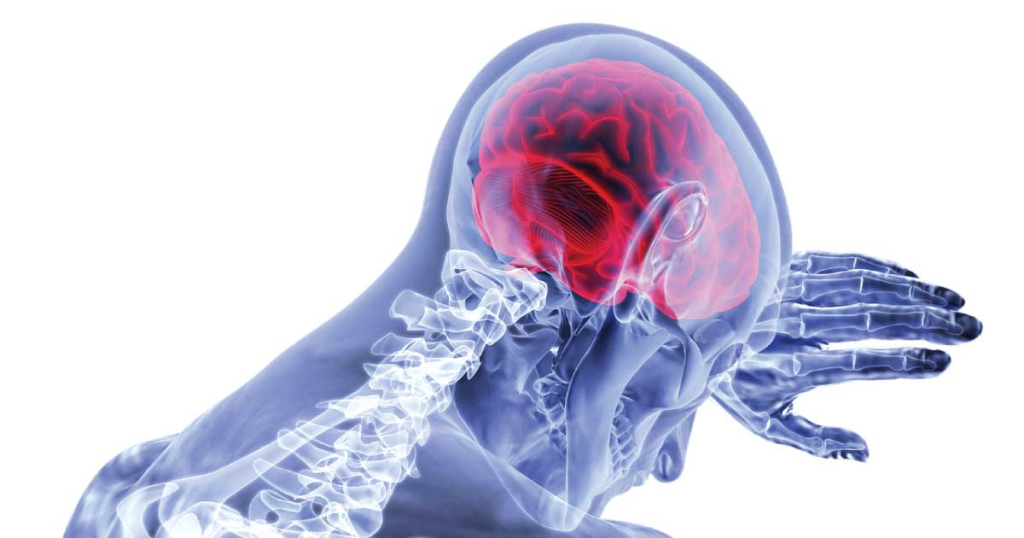
The prognosis of neurotoxicity depends on the severity of the exposure and the extent of nerve damage. Mild neurotoxicity may resolve with appropriate treatment and the elimination of the toxic substance. However, severe neurotoxic damage can lead to long-term or permanent neurological deficits, including memory impairment, motor dysfunction, and cognitive decline.
1. Reversible Neurotoxicity
- In many cases, particularly with prompt treatment, the effects of neurotoxicity can be reversed, and the patient can make a full recovery.
2. Irreversible Neurotoxicity
- If the exposure is prolonged or severe, the damage may be irreversible, leading to chronic neurological symptoms or disability.
Prevention of Neurotoxicity?
Preventing neurotoxicity involves reducing exposure to harmful substances and ensuring safe practices in environments where toxic exposure is a risk. Key prevention strategies include:
1. Occupational Safety
- Wearing protective equipment (e.g., gloves, masks) when handling toxic chemicals or working in hazardous environments.
- Ensuring proper ventilation and safe storage of toxic substances.
2. Environmental Protection
- Reducing air pollution and minimizing exposure to hazardous waste.
- Ensuring safe drinking water and food sources to reduce the risk of toxin exposure.
3. Medication Awareness
- Being aware of the potential neurotoxic side effects of medications and working closely with a healthcare provider to manage risks.
4. Public Health Measures
- Public health campaigns to raise awareness about environmental toxins and promote safer lifestyles.
- Regulatory measures to limit the use of neurotoxic substances in manufacturing and consumer products.