What Are Neck Cysts?
Neck cysts are abnormal, fluid-filled sacs or lumps that develop in the neck. They may be present at birth (congenital) or develop later due to infections, blocked glands, or other medical conditions. Most neck cysts are benign, but they can sometimes become infected or require removal if they grow or cause discomfort.
What Causes Neck Cysts?
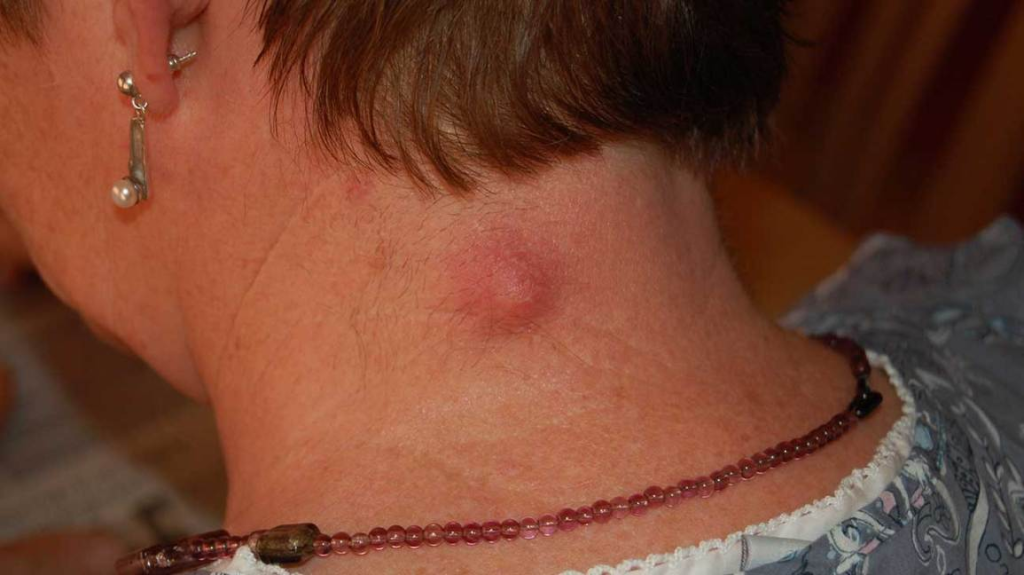
Neck cysts can arise from a variety of causes:
- Congenital defects (e.g., branchial cleft cysts, thyroglossal duct cysts)
- Infections leading to inflamed or abscessed lymph nodes
- Sebaceous gland blockages
- Benign growths such as dermoid cysts
- Tumors (in rare cases)
What Are the Common Types of Neck Cysts?
- Branchial Cleft Cyst – congenital, typically appears on the side of the neck
- Thyroglossal Duct Cyst – located midline and moves when swallowing
- Dermoid Cyst – contains skin structures like hair or glands
- Sebaceous Cyst – formed from blocked oil glands
- Cystic Hygroma (Lymphangioma) – a soft, painless swelling from lymphatic vessels, often in infants
What Are the Symptoms of Neck Cysts?
Neck cysts may present with:
- Visible swelling or lump in the neck
- Painless mass (though pain may develop if infected)
- Redness and warmth (if inflamed)
- Drainage of fluid or pus (if ruptured or infected)
- Difficulty swallowing or breathing (in rare large cysts)
How Are Neck Cysts Diagnosed?
Diagnosis typically includes:
- Physical examination
- Ultrasound – to check fluid content and location
- CT scan or MRI – for deeper or complex cysts
- Fine needle aspiration – to analyze the cyst fluid
- Biopsy – if malignancy is suspected
How Are Neck Cysts Treated?
Is Treatment Always Necessary?
Not always. Small, non-symptomatic cysts may just be monitored. However, treatment is required if the cyst is:
- Growing
- Painful or infected
- Causing cosmetic concern
- Interfering with breathing or swallowing
What Are the Treatment Options?
- Antibiotics – if the cyst is infected
- Needle aspiration – temporary fluid removal
- Surgical removal – definitive treatment, especially for congenital or recurrent cysts
What Are the Possible Complications?
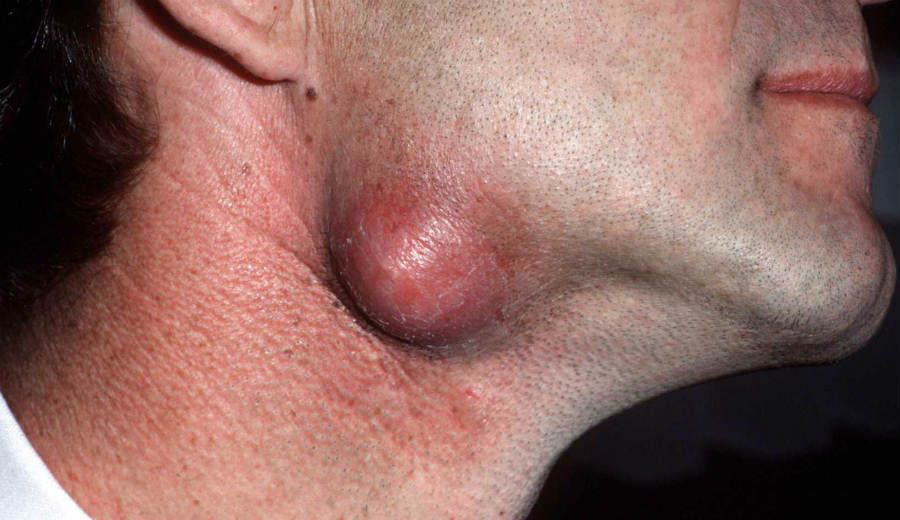
- Infection and abscess formation
- Cyst rupture
- Scarring
- Recurrence after partial removal
- Airway obstruction in severe cases
What is the Prognosis?
The outlook is generally excellent after complete removal. Most cysts are benign and non-cancerous.
How Can Neck Cysts Be Prevented?
- Good skin hygiene
- Early treatment of infections in the neck
- Regular check-ups for congenital lumps in infants and children
- Avoid squeezing or draining cysts at home