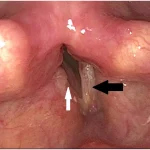
What is a Mucus Plug in Airways?
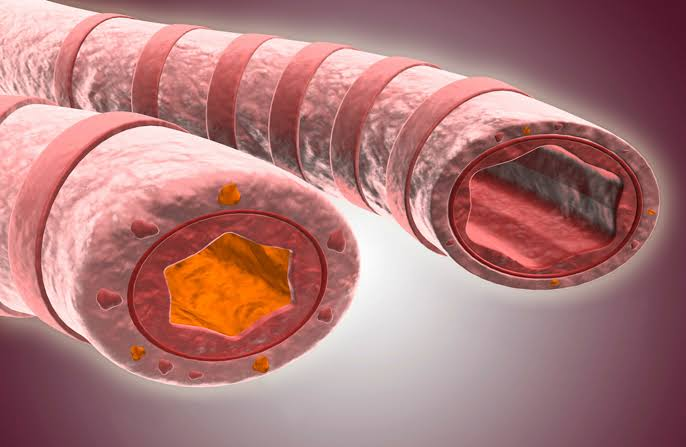
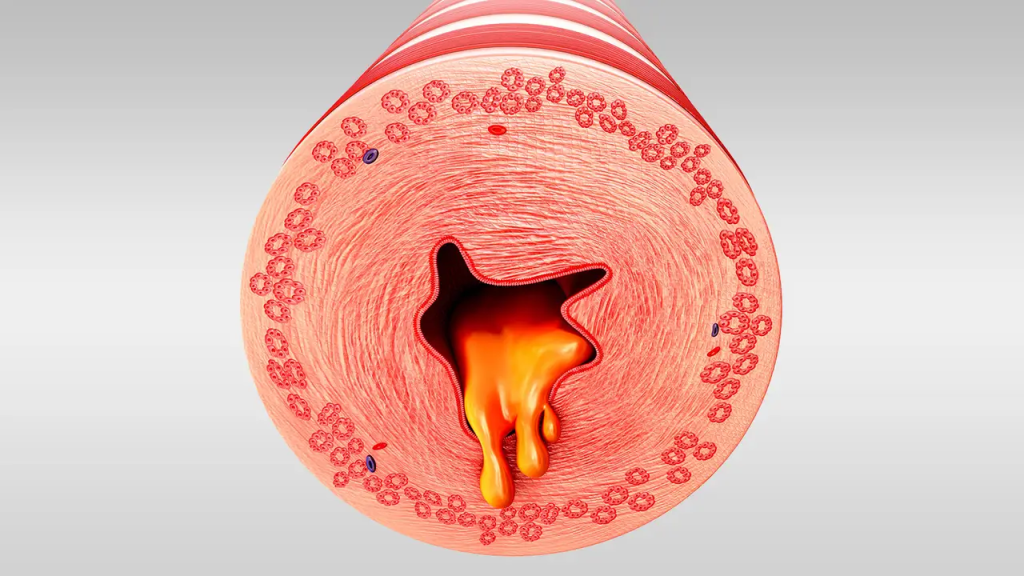
A mucus plug in the airways occurs when an excessive buildup of mucus blocks the respiratory passages, particularly in the bronchi and bronchioles. The mucus can become thick and sticky, impeding the free flow of air in and out of the lungs. Mucus plugs can lead to difficulty breathing and may cause complications, especially in individuals with respiratory conditions like asthma, chronic obstructive pulmonary disease (COPD), or cystic fibrosis.
The airways naturally produce mucus to trap and remove foreign particles, such as dust, bacteria, and viruses. However, in some cases, mucus production becomes excessive or thickens, leading to the formation of a plug.
What causes a Mucus Plug in Airways?
Several factors can lead to the formation of a mucus plug in the airways, including:
1. Respiratory Infections:
- Viral or bacterial infections (e.g., pneumonia, bronchitis) can cause inflammation and increased mucus production, which may form into a plug.
- Infections like COVID-19, influenza, and the common cold are known to increase mucus production in the airways.
2. Chronic Respiratory Conditions:
- Conditions such as asthma, COPD, and cystic fibrosis are associated with increased mucus production and airway inflammation, which can result in mucus plugs.
- Cystic fibrosis in particular leads to thickened mucus that is difficult to clear from the lungs, contributing to frequent mucus plug formation.
3. Allergic Reactions:
- Allergies to airborne particles like pollen, dust, or pet dander can cause an increase in mucus production and airway constriction, which may lead to the formation of a plug.
4. Smoking:
- Smoking irritates the airways and increases mucus production. Over time, this can lead to chronic mucus plugging, especially in people with chronic bronchitis or emphysema.
5. Environmental Irritants:
- Exposure to irritants such as air pollution, chemicals, or dust can trigger the excessive production of mucus, leading to mucus plugs.
6. Dehydration:
- Lack of adequate fluid intake can cause mucus to become thick and sticky, increasing the likelihood of a mucus plug forming in the airways.
7. Post-Surgical Conditions:
- After surgery, especially in the respiratory system or thoracic area, mucus plugs can form as part of the body’s healing process, particularly in individuals who have intubation or ventilator use.
What are the symptoms of a Mucus Plug in Airways?
The symptoms of a mucus plug can vary depending on its size, location, and whether it is causing complete or partial obstruction. Common symptoms include:
1. Shortness of Breath:
- Difficulty breathing due to blocked airways is one of the most common symptoms. The individual may feel out of breath, especially with exertion.
2. Wheezing:
- Wheezing is a high-pitched whistling sound that occurs when breathing through narrowed or obstructed airways. It can be particularly noticeable when exhaling.
3. Coughing:
- A persistent, unproductive cough may be present as the body tries to expel the mucus plug.
- Coughing may worsen at night or in the early morning.
4. Chest Tightness:
- A feeling of tightness or pressure in the chest can occur as the airway becomes obstructed by the mucus plug.
5. Sputum Production:
- Increased production of mucus or phlegm, which may be thick and difficult to clear from the airways. Sometimes the mucus may be yellow or green, indicating an infection.
6. Fatigue:
- Difficulty breathing due to blocked airways can lead to feelings of exhaustion and fatigue, especially if the mucus plug is not cleared.
7. Cyanosis:
- In severe cases, where the blockage prevents adequate oxygen flow, cyanosis (a bluish tint to the skin, lips, or nails) may occur.
How is a Mucus Plug in Airways diagnosed?
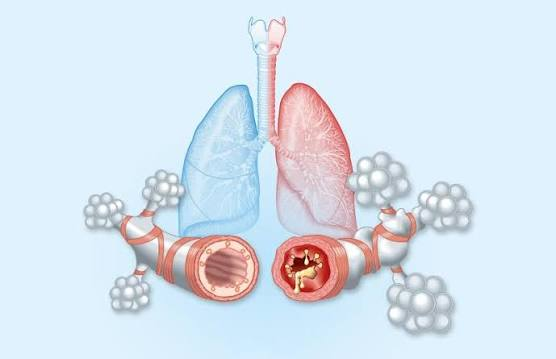
Diagnosing a mucus plug typically involves a combination of medical history, physical examination, and diagnostic tests. Steps in the diagnostic process may include:
1. Physical Examination:
- The healthcare provider will listen to the patient’s lungs with a stethoscope for abnormal breath sounds, such as wheezing or crackles, which may indicate a blockage.
2. Imaging Tests:
- Chest X-rays or CT scans may be used to identify areas of lung obstruction and to visualize the mucus plug.
- These imaging tests can also help rule out other conditions, such as pneumonia or lung tumors.
3. Sputum Analysis:
- If mucus is being produced, a sputum sample may be collected and examined for signs of infection or inflammation.
4. Pulmonary Function Tests:
- These tests measure the efficiency of the lungs and can help assess how well the airways are functioning and if a mucus plug is impairing airflow.
5. Bronchoscopy:
- In some cases, a bronchoscopy may be performed to directly visualize the airways and remove the mucus plug if necessary. A bronchoscope is a flexible tube with a camera that allows the doctor to see inside the lungs.
How is a Mucus Plug in Airways treated?
Treatment for a mucus plug in the airways depends on the underlying cause and severity of the obstruction. Common treatments may include:
1. Hydration:
- Ensuring adequate fluid intake helps to thin the mucus, making it easier to expectorate or clear from the airways.
2. Medications:
- Expectorants: Medications such as guaifenesin can help loosen mucus and make it easier to cough up.
- Mucolytics: Drugs like acetylcysteine can help break down the mucus and make it less thick.
- Bronchodilators: These medications, such as albuterol, help open up the airways and ease breathing.
- Corticosteroids: In cases of inflammation or underlying conditions like asthma or COPD, steroids may be used to reduce swelling and mucus production.
3. Airway Clearance Techniques:
- Chest physiotherapy or techniques like postural drainage may help mobilize and clear mucus from the airways.
- Using a nebulizer with saline solution can also help loosen mucus, making it easier to clear from the airways.
4. Inhalation Therapy:
- Steam inhalation or using a humidifier can help loosen mucus and ease breathing.
- Saline nebulizers or sprays are sometimes recommended to moisturize the airways and help clear mucus plugs.
5. Bronchoscopy:
- If the mucus plug is large or persistent, a bronchoscopy may be required to remove the plug manually.
6. Treating Underlying Conditions:
- For individuals with conditions like asthma, COPD, or cystic fibrosis, treatment of the underlying disease with appropriate medications (e.g., inhalers, antibiotics) is essential to reduce mucus production and prevent the formation of further plugs.
What is the outlook for individuals with a Mucus Plug in Airways?
The prognosis depends on several factors, including:
- Cause of the mucus plug: If the plug is due to an infection or acute condition, symptoms can often be alleviated with proper treatment.
- Severity of the obstruction: Small plugs may resolve with basic treatments, while large or recurrent plugs may require more intensive interventions.
- Underlying respiratory conditions: Individuals with chronic respiratory diseases like COPD or cystic fibrosis may experience frequent mucus plugs, and long-term management may be necessary.
With early intervention and proper treatment, most cases of mucus plugs can be effectively managed. However, in severe cases or when left untreated, mucus plugs can lead to respiratory distress and complications such as pneumonia or lung collapse.
How can a Mucus Plug in Airways be prevented?
While it is not always possible to prevent mucus plugs, the following measures may reduce the risk:
- Managing chronic respiratory conditions with regular medications and follow-up care.
- Avoiding smoking and exposure to environmental irritants like pollution and chemicals.
- Staying hydrated to keep mucus thin and easier to expel.
- Using humidifiers or saline nasal sprays to keep the airways moist, especially in dry environments.
- Following a proper hygiene routine to reduce the risk of infections that can lead to mucus buildup.
When should I see a doctor?
If you or someone you know experiences persistent coughing, shortness of breath, chest pain, or difficulty breathing, it is important to consult a healthcare provider. Early intervention can help prevent complications and improve respiratory health.