What is Aniridia?
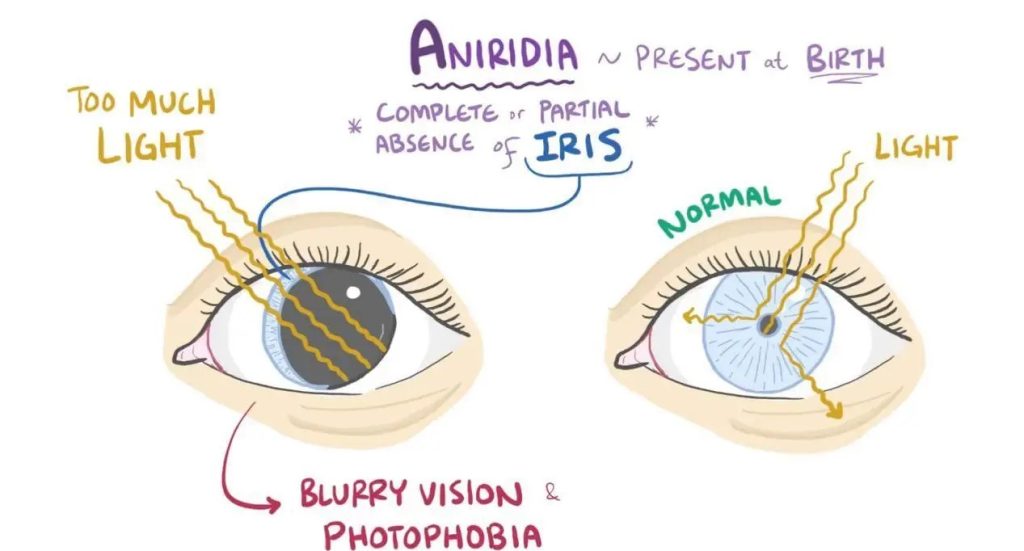
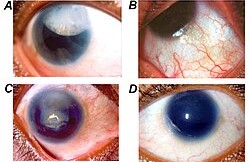
Aniridia is a rare genetic condition characterized by the absence or underdevelopment of the iris, the colored part of the eye. The iris controls the amount of light that enters the eye by adjusting the size of the pupil. In individuals with aniridia, the lack of a fully developed iris can cause significant visual impairment. This condition can affect one or both eyes and is often associated with other eye problems such as cataracts, glaucoma, and macular hypoplasia (underdeveloped macula).
Aniridia can occur as a congenital disorder, meaning it is present from birth, and it may be inherited in an autosomal dominant pattern. This means a child has a 50% chance of inheriting the condition if one of the parents carries the gene mutation.
What Are the Symptoms of Aniridia?
Aniridia affects the iris, but it can also lead to several other visual and ocular symptoms, which may vary in severity depending on the individual. Common symptoms of aniridia include:
1. Absence of the Iris?
- The most noticeable feature of aniridia is the absence or underdevelopment of the iris. In some cases, the iris may be completely absent, leaving the pupil exposed. In others, the iris may be partially formed or appear abnormal in shape or size.
2. Sensitivity to Light (Photophobia)?
- People with aniridia often have increased sensitivity to light because their eyes cannot properly regulate the amount of light entering. This can cause discomfort, squinting, and difficulty seeing in bright environments.
3. Vision Problems?
- Individuals with aniridia may experience blurry vision or reduced visual acuity. The severity of vision problems depends on how much of the iris is present and whether other ocular structures are affected.
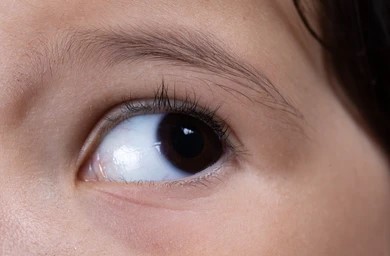
- Other visual problems may include strabismus (crossed eyes) and nystagmus (involuntary eye movements).
4. Glaucoma?
- People with aniridia are at an increased risk for developing glaucoma, a condition where increased pressure within the eye can damage the optic nerve and lead to vision loss.
5. Cataracts?
- Cataracts (clouding of the lens) are another common issue in individuals with aniridia, which can contribute to further visual impairment.
6. Corneal Opacities?
- Some individuals with aniridia may develop corneal opacities, which are clouding of the cornea that can interfere with vision.
7. Macular Hypoplasia?
- The macula, the central part of the retina responsible for sharp vision, may be underdeveloped in people with aniridia, leading to reduced central vision.
8. Other Systemic Features?
- While aniridia primarily affects the eyes, it can be associated with other conditions such as Wilms tumor (a type of kidney cancer) and nephroblastoma in some cases. These conditions are more common in individuals with PAX6 gene mutations, which cause aniridia.
What Causes Aniridia?
Aniridia is most often caused by mutations in the PAX6 gene, which plays a critical role in the development of the eyes. This gene is responsible for regulating the growth and differentiation of cells during eye formation. Mutations in this gene can lead to incomplete or absent development of the iris, as well as other associated eye abnormalities.
1. Genetic Inheritance?
- Aniridia is usually inherited in an autosomal dominant pattern, meaning a person with the condition has a 50% chance of passing it on to their children. If one parent carries the mutation in the PAX6 gene, their child may inherit the condition.
2. PAX6 Gene Mutation?
- Mutations in the PAX6 gene can lead to incomplete or abnormal development of the iris and other eye structures. The severity of the condition can vary depending on the type of mutation and whether other genetic factors are involved.
3. De Novo Mutations?
- In some cases, aniridia may occur due to a new (de novo) mutation in the PAX6 gene. This means the mutation occurs spontaneously and is not inherited from the parents.
4. Wilms Tumor Syndrome Association?
- In rare cases, aniridia can be associated with Wilms tumor syndrome, a condition that increases the risk of developing kidney tumors. This association is typically seen in cases where the PAX6 mutation is present.
How is Aniridia Diagnosed?
Diagnosing aniridia involves a combination of clinical evaluation, genetic testing, and eye exams. The following steps are typically used to diagnose the condition:
1. Clinical Evaluation?
- A doctor will assess the symptoms, including the absence of the iris, vision problems, and sensitivity to light. A detailed eye examination will help identify any associated conditions such as glaucoma, cataracts, or macular hypoplasia.
2. Genetic Testing?
- Genetic testing can confirm the diagnosis of aniridia by identifying mutations in the PAX6 gene. This test is especially useful for confirming the diagnosis in individuals with a family history of the condition.
3. Eye Examinations?
- Comprehensive eye exams are essential to assess the full extent of ocular involvement, including visual acuity, corneal health, and the presence of cataracts or glaucoma. Tests such as tonometry (to measure intraocular pressure) and retinal imaging may be used to monitor eye health.
4. Family History?
- If aniridia runs in the family, genetic testing may be recommended to assess the risk of passing the condition on to future generations.
How is Aniridia Treated?
While there is no cure for aniridia, treatment focuses on managing symptoms and preventing complications. Treatment options may include:
1. Vision Correction?
- Glasses or contact lenses may be prescribed to help improve vision, depending on the severity of visual impairment. For some individuals, low vision aids may be helpful.
2. Cataract Surgery?
- Cataract surgery may be necessary if cataracts develop and impair vision. In some cases, a lens implant may be required after surgery.
3. Glaucoma Management?
- Regular eye exams are important for detecting glaucoma early. If glaucoma develops, treatment options may include medications, laser therapy, or in some cases, surgery to reduce intraocular pressure.
4. Corneal Transplantation?
- If corneal opacities significantly affect vision, a corneal transplant may be considered.
5. Macular Rehabilitation?
- For individuals with macular hypoplasia, low vision rehabilitation techniques may help improve quality of life by teaching adaptive strategies for daily activities.
6. Wilms Tumor Surveillance?
- Individuals with aniridia associated with Wilms tumor syndrome will need regular kidney screening and imaging to monitor for the development of kidney tumors.
7. Genetic Counseling?
- Genetic counseling can provide important information about the inheritance pattern of aniridia and help families understand the risks of passing the condition on to future generations.
What Are the Potential Complications of Aniridia?
While the main challenges of aniridia are related to vision, other complications may arise:
1. Glaucoma?
- Individuals with aniridia are at a higher risk of developing glaucoma, which can lead to permanent vision loss if not treated properly.
2. Cataracts?
- Cataracts can form early in life and may worsen over time, requiring surgical intervention to maintain vision.
3. Corneal Opacities?
- Corneal scarring or opacities can occur, especially if the cornea is exposed to injury or irritation, and may require treatment to preserve vision.
4. Reduced Quality of Life?
- The challenges of living with aniridia, including vision impairment and light sensitivity, can affect an individual’s quality of life. Early intervention and ongoing support are crucial for improving outcomes.
How Can Aniridia Be Prevented?
As aniridia is a genetic condition, it cannot be prevented. However, genetic counseling can help individuals with a family history of aniridia make informed decisions about family planning. For those who are planning to have children, genetic testing can help determine the likelihood of passing the condition on to their offspring.