What is Mineral Deficiency?
Mineral deficiency occurs when the body does not get enough of one or more essential minerals needed to maintain health. Minerals are vital for various bodily functions, including bone health, nerve function, muscle activity, and enzyme production. Deficiencies can affect physical and mental well-being.
What causes Mineral Deficiency?
Mineral deficiencies may be caused by:
- Poor diet lacking in essential nutrients
- Chronic diseases that impair absorption (e.g., celiac disease, Crohn’s disease)
- Digestive issues or surgeries affecting nutrient absorption
- Alcoholism
- Medications that deplete minerals (e.g., diuretics, antacids)
- Increased needs during pregnancy, lactation, or growth spurts
- Excessive sweating or fluid loss from diarrhea or vomiting
What are the types of Mineral Deficiency?
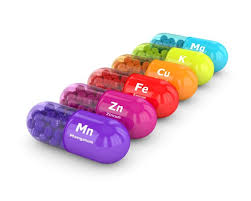
Common mineral deficiencies include:
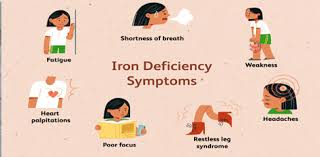
- Iron deficiency – leads to anemia, fatigue, and pale skin
- Calcium deficiency – causes muscle cramps, bone weakness, and numbness
- Magnesium deficiency – results in muscle twitches, irritability, and irregular heartbeat
- Zinc deficiency – affects wound healing, immunity, and skin health
- Potassium deficiency – causes weakness, cramps, and irregular heartbeat
- Iodine deficiency – leads to goiter and thyroid dysfunction
- Selenium deficiency – weakens the immune system and may affect heart health
What are the symptoms of Mineral Deficiency?
Symptoms vary depending on the specific mineral involved, but general signs may include:
- Fatigue or weakness
- Poor appetite
- Muscle cramps or spasms
- Numbness or tingling
- Weak bones or brittle nails
- Skin issues or hair loss
- Poor concentration or mood changes
- Frequent infections or slow healing
How is Mineral Deficiency diagnosed?
Diagnosis may involve:
- Blood tests to check levels of specific minerals
- Urine tests to assess mineral excretion
- Review of dietary intake and symptoms
- Medical history and any underlying conditions
How is Mineral Deficiency treated?
Treatment depends on the type and severity of the deficiency:
- Dietary changes to include more mineral-rich foods (e.g., leafy greens, nuts, dairy, meat, seafood)
- Oral supplements for minerals like iron, calcium, magnesium, or zinc
- Intravenous supplementation in severe or emergency cases
- Treating underlying conditions that impair absorption
- Lifestyle changes, including reducing alcohol intake and managing stress
Can Mineral Deficiency be prevented?
Yes, prevention is possible by:
- Eating a balanced, nutrient-rich diet
- Including whole grains, fruits, vegetables, nuts, dairy, and lean meats
- Taking prenatal or multivitamin supplements when advised
- Treating any digestive or metabolic disorders
- Avoiding excessive processed food which lacks essential minerals
What is the outlook for people with Mineral Deficiency?
With early detection and proper treatment, most mineral deficiencies are easily reversible. If left untreated, they can lead to serious complications, including:
- Anemia
- Bone deformities
- Nerve damage
- Immune dysfunction
- Heart rhythm problem