


What are Lenticular Opacities?
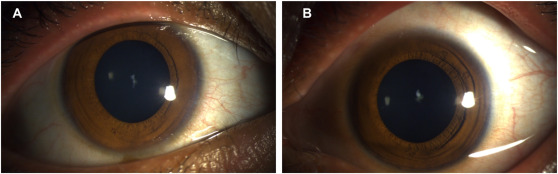
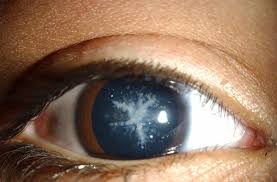
Lenticular opacities refer to the clouding or opacity of the lens of the eye. The lens is responsible for focusing light onto the retina, and when it becomes cloudy or opaque, it can impair vision. Lenticular opacities are commonly associated with cataracts, which is a condition where the lens gradually becomes opaque, leading to a decline in visual clarity.
The term “lenticular” comes from lenticule, meaning “lens,” and “opacity” refers to the lack of transparency. These opacities can occur in one or both eyes and vary in size, shape, and location within the lens. The condition is typically progressive, meaning it can worsen over time, leading to more significant visual impairment if left untreated.
Causes of Lenticular Opacities?
Several factors can contribute to the development of lenticular opacities:
- Aging: The most common cause of lenticular opacities is the natural aging process. As people age, proteins in the lens can begin to break down, leading to clouding.
- Trauma: Physical injury to the eye can damage the lens and cause opacities to form.
- Genetics: Certain genetic conditions can predispose individuals to cataracts and lenticular opacities, particularly in childhood.
- Systemic Diseases: Conditions like diabetes and hypocalcemia can increase the risk of developing lenticular opacities. Chronic diseases that affect the body’s metabolism can interfere with the lens’s ability to maintain transparency.
- Medications: Long-term use of certain medications, such as corticosteroids, can contribute to the development of lenticular opacities.
- Ultraviolet (UV) Light Exposure: Prolonged exposure to UV light from the sun can damage the lens and increase the risk of cataract formation, including lenticular opacities.
- Infections: Infections such as rubella or toxoplasmosis during pregnancy can increase the risk of congenital lenticular opacities in infants.
- Nutritional Deficiencies: Deficiencies in certain vitamins and antioxidants, particularly vitamin C, can affect the health of the lens and contribute to clouding.
Symptoms of Lenticular Opacities?
Lenticular opacities can cause a variety of visual disturbances, depending on the size and location of the opacity:
- Blurred Vision: One of the earliest signs of lenticular opacities is blurred or fuzzy vision, particularly in low light or when viewing objects at a distance.
- Glare and Halos: People with lenticular opacities often experience increased glare or halos around lights, particularly at night. This can make driving at night challenging.
- Double Vision: In some cases, lenticular opacities can cause double vision, where objects may appear to be duplicated or blurry.
- Color Distortion: The opacity in the lens can affect the perception of colors, causing them to appear faded or yellowed.
- Difficulty Seeing at Night: Reduced ability to see in low-light conditions is a common symptom of lenticular opacities, as the cloudy lens reduces the amount of light that reaches the retina.
- Progressive Vision Loss: As the condition worsens, vision may continue to decline, leading to significant difficulty performing everyday tasks, such as reading or recognizing faces.
Diagnosis of Lenticular Opacities?
The diagnosis of lenticular opacities involves a comprehensive eye examination:
- Visual Acuity Test: The doctor will assess your ability to see letters or objects at various distances to determine the extent of your vision loss.
- Slit-Lamp Examination: A slit-lamp is a specialized microscope that allows the doctor to examine the structures of the eye, including the lens, for signs of opacity.
- Dilated Eye Exam: The doctor will use eye drops to dilate the pupil, enabling a clearer view of the lens and retina. This allows for a thorough examination of any opacities within the lens.
- Retinal Examination: If necessary, the healthcare provider may also examine the retina to rule out other causes of visual disturbances.
- Tonometry: This test measures the pressure inside the eye to check for conditions like glaucoma, which can sometimes occur alongside lenticular opacities.
Treatment for Lenticular Opacities?
Treatment for lenticular opacities primarily focuses on improving vision and managing symptoms. If the opacities are significant and affecting daily life, the following options may be considered:
- Eyeglasses or Contact Lenses: In the early stages of lenticular opacities, corrective eyewear may help improve vision and reduce some of the visual disturbances, such as glare or blurry vision.
- Cataract Surgery: If the lenticular opacities progress to a point where vision is significantly impaired, cataract surgery is the most effective treatment. During this procedure, the cloudy lens is removed and replaced with an artificial intraocular lens (IOL) to restore clear vision. Cataract surgery is one of the most common and successful surgeries performed worldwide.
- Laser Surgery: In some cases, laser surgery may be used to break up the opacity or reshape the lens. However, this is more commonly done for specific types of cataracts, such as those caused by secondary conditions like diabetes.
- Medications: Though there is no medical cure for lenticular opacities, eye drops and medications may be prescribed to manage any underlying conditions contributing to the opacities, such as inflammation or infection.
Prevention of Lenticular Opacities?
While aging is a primary factor in the development of lenticular opacities, there are several preventive measures that can reduce the risk or delay the onset of the condition:
- UV Protection: Wearing sunglasses that block UV rays and hats with wide brims can help protect the eyes from UV light exposure, which is a known risk factor for cataract development.
- Healthy Diet: Consuming a balanced diet rich in antioxidants, such as vitamins C and E, may help maintain lens health and reduce the risk of lenticular opacities.
- Quit Smoking: Smoking is a known risk factor for cataract formation and can accelerate the development of lenticular opacities. Quitting smoking can help reduce this risk.
- Manage Systemic Diseases: Managing conditions like diabetes, hypertension, and high cholesterol can help reduce the risk of cataracts and other eye-related issues.
- Regular Eye Checkups: Routine eye exams can help detect early signs of lenticular opacities and other eye diseases, allowing for prompt treatment and management.
Prognosis of Lenticular Opacities?
The prognosis for individuals with lenticular opacities is generally good, particularly with early intervention and treatment. Many people with mild lenticular opacities can manage their symptoms with corrective eyewear. For those who undergo cataract surgery, the outcomes are typically excellent, with most individuals experiencing significant improvement in their vision.
If left untreated, lenticular opacities can progress, leading to significant vision impairment. However, with modern treatments, especially cataract surgery, individuals can often regain clear vision and continue to live active and independent lives.