What is Lymphocytic Interstitial Pneumonia?
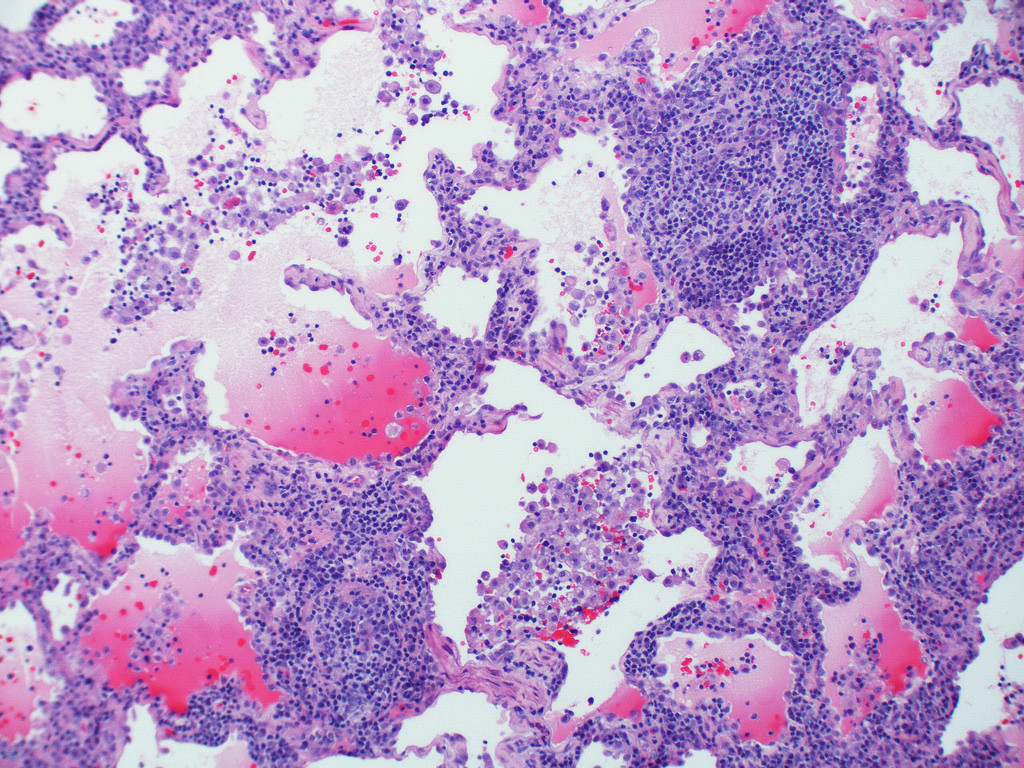
Lymphocytic interstitial pneumonia (LIP) is a rare and chronic lung condition characterized by the accumulation of lymphocytes (a type of white blood cell) in the interstitial tissue of the lungs. This accumulation leads to inflammation, scarring, and potential damage to the lung tissue. LIP is considered a form of interstitial lung disease (ILD), which refers to a group of disorders affecting the tissue and space around the air sacs of the lungs.
LIP is often associated with autoimmune diseases, such as Sjögren’s syndrome and rheumatoid arthritis, but it can also occur without any known underlying condition. The disease is more commonly seen in adults, although it can also affect children.
What Causes Lymphocytic Interstitial Pneumonia?
The exact cause of LIP is not fully understood, but several factors are believed to contribute to its development:
1. Immune System Dysfunction
- LIP is considered an autoimmune disorder, where the immune system mistakenly attacks the lungs, leading to inflammation and the accumulation of lymphocytes in the lung tissue. Inflammation can damage the lungs over time, affecting the ability to breathe properly.
2. Associated Autoimmune Diseases
- LIP is often seen in individuals with other autoimmune diseases, such as:
- Sjögren’s Syndrome: A disease that affects the moisture-producing glands.
- Rheumatoid Arthritis: A condition causing chronic inflammation in joints.
- Systemic Lupus Erythematosus (SLE): A disease where the immune system attacks various body tissues.
- HIV/AIDS: The virus can compromise the immune system, contributing to LIP.
3. Infections
- Certain viral or bacterial infections may trigger or worsen LIP in susceptible individuals.
4. Environmental and Genetic Factors
- Environmental factors like exposure to pollutants, occupational hazards (e.g., asbestos), or genetic predisposition may play a role in the development of LIP.
What Are the Symptoms of Lymphocytic Interstitial Pneumonia?
Symptoms of LIP can vary in severity and often develop gradually. Common symptoms include:
1. Chronic Cough
- A persistent dry or productive cough that does not improve over time.
2. Shortness of Breath (Dyspnea)
- Difficulty breathing, especially during physical exertion or when lying down.
3. Fatigue
- A general feeling of tiredness or weakness, even after rest.
4. Chest Pain
- Some individuals may experience mild chest discomfort or a dull ache.
5. Wheezing
- A high-pitched whistling sound during breathing, which may be associated with airway obstruction.
6. Weight Loss
- Unexplained weight loss, especially in advanced cases, due to the body’s increased energy expenditure fighting inflammation.
7. Clubbing of the Fingers (Less Common)
- Swelling of the fingertips, often seen in chronic lung diseases.
8. Cyanosis (Less Common)
- A bluish tint to the lips or fingertips, indicating a lack of oxygen in the blood.
How is Lymphocytic Interstitial Pneumonia Diagnosed?
Diagnosing LIP typically involves a combination of medical history, physical examination, imaging tests, and lung biopsy. Common diagnostic methods include:
1. Medical History and Physical Examination
- The healthcare provider will ask about the patient’s symptoms, medical history, and any history of autoimmune diseases or lung conditions.
2. Chest X-ray
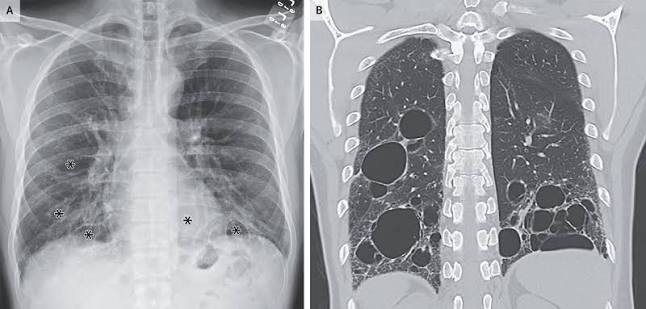
- A chest X-ray is often the first imaging test used to identify signs of interstitial lung disease, such as lung inflammation or scarring.
3. High-Resolution CT Scan (HRCT)
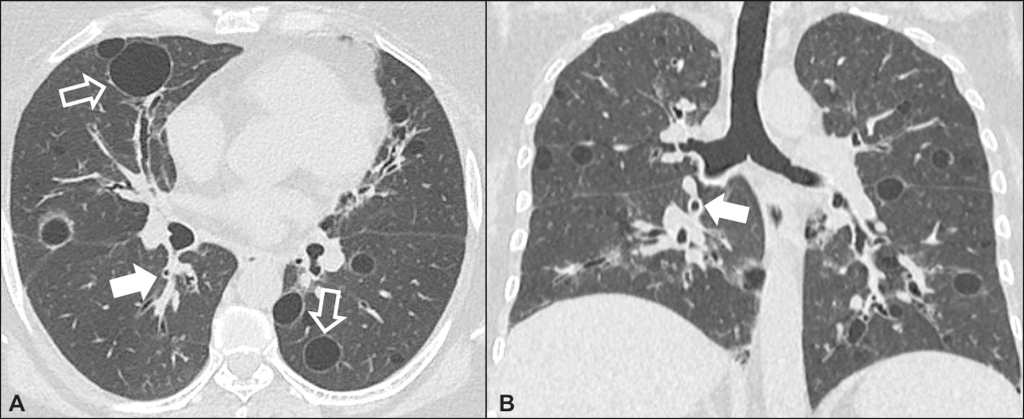
- A more detailed imaging test that provides clear images of the lungs and can show areas of inflammation, fibrosis (scarring), or other abnormalities in the lung tissue.
4. Pulmonary Function Tests (PFTs)
- These tests measure lung capacity and function, helping to assess how well the lungs are working and whether LIP has affected lung function.
5. Lung Biopsy
- A lung biopsy is the definitive test for diagnosing LIP. A small sample of lung tissue is removed and examined under a microscope to look for characteristic signs of lymphocyte infiltration in the interstitial lung tissue.
6. Blood Tests
- Blood tests may be done to check for markers of autoimmune diseases, infections, or inflammation.
7. Bronchoscopy
- A bronchoscope (a flexible tube with a camera) may be used to examine the airways and take tissue samples from the lungs for biopsy.
How is Lymphocytic Interstitial Pneumonia Treated?
There is no cure for LIP, but treatment focuses on reducing inflammation, managing symptoms, and improving quality of life. The treatment plan may include medications, lifestyle changes, and sometimes oxygen therapy.
1. Medications
- Corticosteroids: Prednisone and other corticosteroids are commonly used to reduce inflammation and control symptoms.
- Immunosuppressive Drugs: Medications like azathioprine or methotrexate may be prescribed to suppress the immune system and reduce lymphocyte accumulation in the lungs.
- Antibiotics or Antivirals: If an infection is suspected or diagnosed, appropriate antibiotics or antiviral medications may be used.
- Oxygen Therapy: For individuals with severe shortness of breath or low oxygen levels, supplemental oxygen may be required.
2. Lifestyle Modifications
- Smoking Cessation: Smoking can worsen lung conditions, so quitting smoking is highly recommended for those diagnosed with LIP.
- Exercise and Physical Therapy: Regular physical activity and breathing exercises can improve lung function and overall well-being.
- Dietary Adjustments: A balanced diet to support overall health, especially if weight loss is a concern.
3. Oxygen Therapy
- If oxygen levels in the blood are low, supplemental oxygen may be prescribed to help the individual breathe more easily.
4. Lung Transplantation (Severe Cases)
- In rare cases where LIP leads to severe, irreversible lung damage, lung transplantation may be considered for eligible candidates.
What is the Outlook for Lymphocytic Interstitial Pneumonia?
The outlook for individuals with LIP depends on the severity of the disease, how well it responds to treatment, and whether any underlying autoimmune conditions are present. With early diagnosis and appropriate treatment, many people with LIP can manage the disease effectively and lead normal lives. However, the disease can be progressive, and some individuals may experience worsening lung function over time.
1. Prognosis
- The prognosis for LIP varies. In some cases, the disease may remain stable with minimal progression, while in others, it may worsen, leading to respiratory failure or other complications.
2. Quality of Life
- With appropriate management, individuals with LIP can often maintain a good quality of life, although chronic symptoms like fatigue and shortness of breath may persist.
3. Complications
- If left untreated, LIP can lead to irreversible lung damage, respiratory failure, or complications from associated autoimmune diseases.
What Are the Complications of Lymphocytic Interstitial Pneumonia?
LIP can lead to several complications, particularly if the disease is not effectively managed. These may include:
1. Chronic Respiratory Failure
- Over time, LIP can cause progressive damage to the lungs, leading to chronic respiratory failure, where the lungs can no longer provide enough oxygen to the body.
2. Pulmonary Hypertension
- Damage to the lung tissue can cause the blood vessels in the lungs to become narrowed, leading to pulmonary hypertension, which can strain the heart and worsen breathing difficulties.
3. Infections
- The immune system’s response to the disease or its treatments (such as corticosteroids) can increase the risk of respiratory infections.
4. Other Autoimmune Diseases
- LIP is often associated with other autoimmune diseases, and managing both conditions simultaneously can be challenging.
How Can Lymphocytic Interstitial Pneumonia Be Prevented?
Currently, there is no known way to prevent lymphocytic interstitial pneumonia. However, some strategies may help reduce the risk of flare-ups and manage symptoms effectively:
1. Managing Autoimmune Diseases
- Proper management of any underlying autoimmune diseases can help reduce the risk of LIP flare-ups.
2. Avoiding Respiratory Infections
- Taking precautions to prevent infections, such as getting vaccinated and practicing good hygiene, may help prevent complications.
3. Lifestyle Modifications
- Adopting a healthy lifestyle that includes regular exercise, a nutritious diet, and quitting smoking can improve overall health and potentially reduce the impact of LIP.