What is Lupus (Systemic Lupus Erythematosus)?
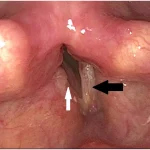
Systemic Lupus Erythematosus (SLE), commonly referred to as lupus, is a chronic autoimmune disease in which the immune system mistakenly attacks healthy tissues throughout the body. This abnormal immune response causes widespread inflammation and can affect the skin, joints, kidneys, heart, lungs, brain, and blood cells. Lupus is known for its unpredictable flares and periods of remission, and it varies widely in severity from mild to life-threatening.
Causes of Lupus
The exact cause of lupus is not fully understood, but it is believed to result from a combination of genetic, environmental, and hormonal factors. Possible triggers include:
- Genetic Predisposition:
- Family history increases the risk.
- Environmental Factors:
- Sunlight exposure
- Infections
- Certain medications
- Hormonal Influences:
- Lupus is more common in women, especially during reproductive years, suggesting a role for estrogen.
- Immune System Dysfunction:
- A malfunction leads to the production of autoantibodies that attack the body’s own tissues.
A combination of these factors may trigger the onset of lupus in susceptible individuals.
Symptoms of Lupus
Lupus can present with a wide range of symptoms, which may come and go. Common symptoms include:
- Fatigue: Persistent, sometimes severe tiredness.
- Joint Pain and Swelling: Often affects hands, wrists, and knees.
- Skin Rashes:
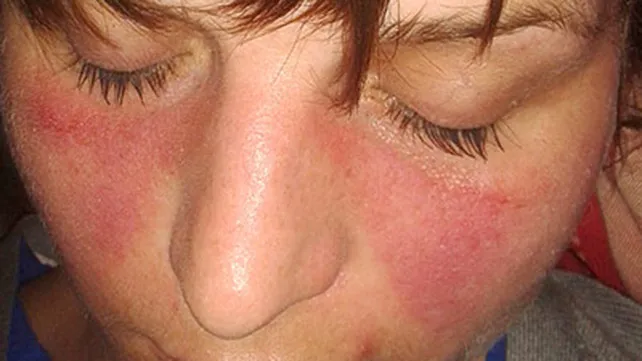
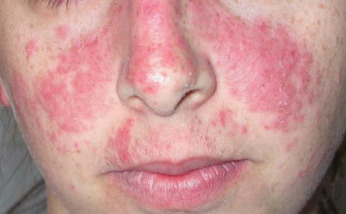
- Notably the butterfly-shaped rash across the cheeks and nose.
- Fever: Unexplained low-grade fevers.
- Photosensitivity: Sensitivity to sunlight, causing rashes or flare-ups.
- Hair Loss: Thinning or patchy hair loss.
- Mouth or Nose Ulcers: Painless sores.
- Chest Pain: Especially when taking deep breaths (pleuritis or pericarditis).
- Kidney Problems: Lupus nephritis causing swelling, especially in the legs.
- Cognitive Dysfunction: Memory problems or difficulty concentrating.
- Raynaud’s Phenomenon: Fingers and toes turning white or blue in response to cold or stress.
The severity and combination of symptoms differ greatly among individuals.
Diagnosis of Lupus
Diagnosing lupus can be challenging because its symptoms mimic many other illnesses. Diagnosis typically involves:
- Medical History and Physical Examination: Thorough review of symptoms and family history.
- Blood Tests:
- Antinuclear Antibody (ANA) Test: Most people with lupus have a positive ANA test.
- Anti-dsDNA and Anti-Smith Antibodies: More specific to lupus.
- Complete Blood Count (CBC): To detect anemia, leukopenia, or thrombocytopenia.
- Erythrocyte Sedimentation Rate (ESR) and C-Reactive Protein (CRP): Indicators of inflammation.
- Urinalysis: To detect kidney involvement.
- Skin or Kidney Biopsy: May be performed to confirm diagnosis and assess damage.
- Imaging Tests: Such as chest X-rays or echocardiograms to evaluate organ involvement.
There is no single test for lupus; diagnosis is based on a combination of clinical findings and lab results.
Treatment of Lupus

While there is no cure for lupus, treatments aim to manage symptoms, reduce inflammation, and prevent flare-ups and complications.
1. Medications
- Nonsteroidal Anti-Inflammatory Drugs (NSAIDs):
- Help reduce joint pain and swelling.
- Antimalarial Drugs:
- Hydroxychloroquine is commonly used to control lupus symptoms.
- Corticosteroids:
- Used for rapid control of inflammation during flares.
- Immunosuppressants:
- Medications like azathioprine or mycophenolate mofetil to suppress the immune system.
- Biologics:
- Drugs such as belimumab and anifrolumab specifically target parts of the immune system.
2. Lifestyle Management
- Sun Protection: Use of sunscreen and protective clothing.
- Healthy Diet: Balanced, anti-inflammatory foods.
- Regular Exercise: Helps maintain joint function and general health.
- Adequate Rest: Essential to manage fatigue.
- Smoking Cessation: Smoking can worsen lupus symptoms and increase cardiovascular risk.
3. Monitoring and Regular Check-Ups
- Routine monitoring to adjust treatment, monitor side effects, and prevent organ damage.
Early and aggressive management often results in better outcomes.
Recovery and Outlook
Lupus is a lifelong disease with no known cure, but many people manage it successfully and live full lives.
- Mild Cases: May require only minimal medication and adjustments.
- Moderate to Severe Cases: Need close monitoring and stronger medications.
- Flares and Remissions: Many patients experience periods when symptoms worsen (flares) and periods when they improve (remission).
With ongoing medical care, lifestyle adjustments, and support, many people with lupus maintain good quality of life.
Complications of Lupus
If left unmanaged, lupus can lead to serious complications:
- Kidney Damage (Lupus Nephritis): May lead to kidney failure.
- Cardiovascular Disease: Increased risk of heart attacks and strokes.
- Lung Involvement: Pleuritis, pulmonary hypertension, or lung fibrosis.
- Central Nervous System Problems: Seizures, strokes, or memory issues.
- Blood Disorders: Anemia, blood clotting issues, or bleeding problems.
- Infections: Increased risk due to immune system compromise.
Early detection and treatment are critical to prevent severe complications.
Prevention of Lupus Flares
While lupus itself cannot be prevented, flare-ups can often be minimized by:
- Avoiding Sun Exposure: Use broad-spectrum sunscreen and protective clothing.
- Following Prescribed Treatments: Consistent medication use even during symptom-free periods.
- Managing Stress: Through relaxation techniques and therapy if needed.
- Healthy Living: Eating well, exercising, and avoiding smoking.
- Prompt Attention to Symptoms: Seeking medical advice when new symptoms arise.
Patient education and lifestyle awareness are crucial in preventing complications.