What is Lumbar Spondylosis?
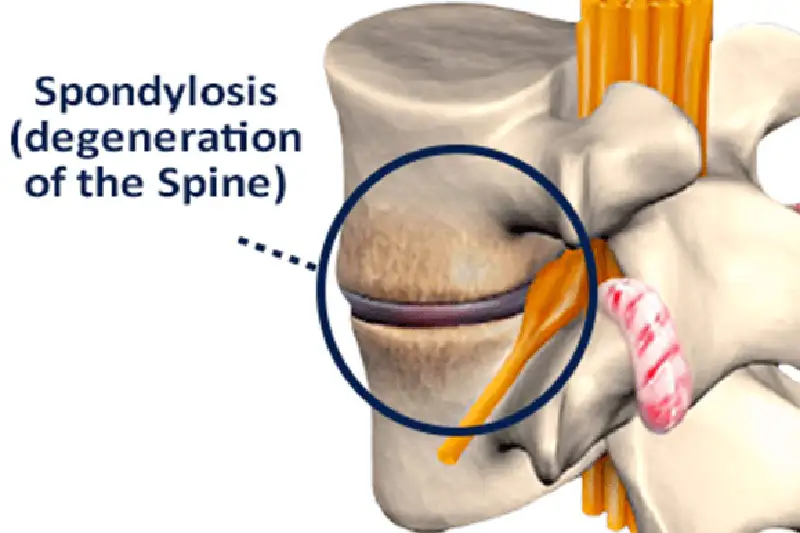
Lumbar spondylosis is a term used to describe the age-related wear and tear of the discs and joints in the lower back (lumbar spine). This condition can lead to the degeneration of the intervertebral discs, causing changes in the vertebrae and surrounding structures. Lumbar spondylosis is commonly associated with the natural aging process but can be exacerbated by factors such as poor posture, physical inactivity, or injury. It often causes pain, stiffness, and reduced mobility in the lower back.
Causes of Lumbar Spondylosis?
Age-Related Degeneration?
As individuals age, the discs in the spine lose hydration and elasticity, making them more prone to damage and degeneration. The wear and tear on the vertebrae, ligaments, and joints can lead to lumbar spondylosis.
Repetitive Stress or Injury?
Repetitive stress on the spine, such as from heavy lifting, bending, or twisting motions, can contribute to the breakdown of spinal structures. Occupational activities or sports that involve repetitive motion can increase the risk of developing lumbar spondylosis.
Poor Posture?
Chronic poor posture, especially when sitting or standing for extended periods, places excessive pressure on the spine and can contribute to the development of lumbar spondylosis. Over time, improper posture can accelerate degenerative changes in the spine.
Genetic Predisposition?
A family history of back problems or spondylosis may increase the likelihood of developing the condition. Genetic factors can play a role in determining the strength and flexibility of spinal structures.
Obesity?
Excess body weight places additional strain on the spine, increasing the risk of degenerative changes in the lumbar region. Obesity can accelerate the wear and tear process and exacerbate symptoms of lumbar spondylosis.
Symptoms of Lumbar Spondylosis?
Lower Back Pain?
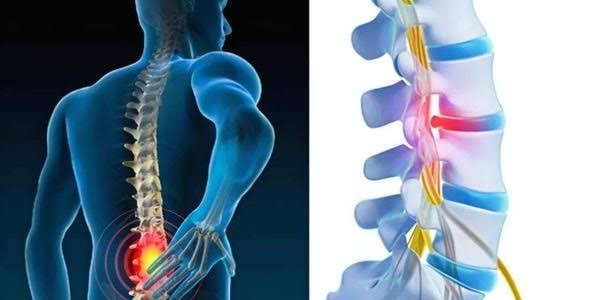
The most common symptom of lumbar spondylosis is chronic lower back pain. This pain is often described as dull, achy, or stiff, and it may worsen with activity or after prolonged periods of sitting or standing. The pain may be intermittent or constant and can vary in intensity.
Stiffness and Decreased Mobility?
Individuals with lumbar spondylosis may experience stiffness in the lower back, which can limit the range of motion and make it difficult to bend, twist, or perform routine activities. This stiffness is often more noticeable after waking up in the morning or after long periods of inactivity.
Radiating Pain (Sciatica)?
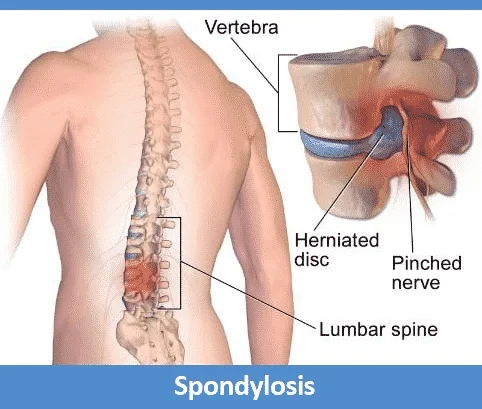
When lumbar spondylosis causes nerve compression, it can lead to radiating pain down the legs, known as sciatica. This pain often travels from the lower back, through the buttocks, and down one or both legs, and may be accompanied by numbness, tingling, or weakness in the affected leg.
Numbness or Tingling?
Nerve irritation or compression from degenerative changes in the lumbar spine can lead to sensations of numbness, tingling, or “pins and needles” in the legs or feet. These symptoms may occur intermittently or persist depending on the extent of the nerve involvement.
Muscle Weakness?
Severe cases of lumbar spondylosis can lead to muscle weakness in the legs or feet. This can make walking, standing, or performing certain activities more difficult. Weakness may also contribute to poor balance and an increased risk of falls.
Loss of Bladder or Bowel Control?
In rare cases, severe compression of nerves in the lower back can lead to cauda equina syndrome, which is a medical emergency. Symptoms of cauda equina syndrome include loss of bladder or bowel control, numbness in the genital or rectal area, and severe leg weakness or paralysis. Immediate medical attention is required if these symptoms occur.
Diagnosis of Lumbar Spondylosis?
Physical Examination?
The diagnosis of lumbar spondylosis often begins with a physical examination, during which the healthcare provider will assess:
- Posture and alignment of the spine.
- Range of motion to check for stiffness or restricted movement.
- Palpation of the lower back to identify areas of tenderness or discomfort.
- Neurological tests to evaluate muscle strength, sensation, and reflexes.
Imaging Tests?
To confirm the diagnosis and assess the extent of the degenerative changes, several imaging tests may be used:
- X-rays: X-rays can show degenerative changes in the vertebrae, including disc space narrowing, bone spurs (osteophytes), and changes in spinal alignment. However, they do not provide detailed images of soft tissues such as discs and nerves.
- MRI (Magnetic Resonance Imaging): An MRI is a more detailed imaging technique that can provide clear images of the soft tissues in the spine, including intervertebral discs and nerves. It can help identify disc degeneration, herniated discs, or nerve compression.
- CT Scan: A computed tomography (CT) scan may be used when an MRI is not available or appropriate. It provides more detailed images of the spine and can help assess the degree of degeneration.
- Electromyography (EMG): An EMG test may be performed to evaluate nerve function and assess whether nerves are being compressed or damaged.
Treatment of Lumbar Spondylosis?
Conservative (Non-Surgical) Treatment?
Most cases of lumbar spondylosis can be managed with conservative treatments:
- Rest: Short periods of rest may help reduce inflammation and relieve pain. However, prolonged bed rest should be avoided, as it can lead to muscle weakness.
- Physical Therapy: Physical therapy is an essential treatment option for lumbar spondylosis. A physical therapist will teach exercises to strengthen the muscles supporting the spine and improve flexibility. Posture correction techniques may also be taught to reduce strain on the lower back.
- Medications:
- Nonsteroidal anti-inflammatory drugs (NSAIDs): NSAIDs such as ibuprofen can help reduce pain and inflammation.
- Muscle relaxants: These can help relieve muscle spasms associated with lumbar spondylosis.
- Corticosteroids: Oral or injected corticosteroids may be prescribed for short-term relief of severe pain and inflammation.
- Pain relievers: Over-the-counter pain medications or stronger prescription medications may be used for pain management.
- Epidural Steroid Injections: In cases of severe pain or nerve compression, epidural steroid injections may be administered to reduce inflammation and relieve symptoms.
Surgery?
In cases where conservative treatments are not effective and symptoms are severe, surgery may be considered. Surgical options include:
- Laminectomy: A procedure where part of the vertebrae (lamina) is removed to relieve pressure on the nerves.
- Spinal Fusion: In severe cases, spinal fusion surgery may be performed to join two or more vertebrae together, providing stability to the spine.
- Discectomy: If a herniated disc is causing significant nerve compression, a discectomy may be performed to remove the portion of the disc that is pressing on the nerve.
Alternative Therapies?
Some individuals find relief from alternative treatments, including:
- Chiropractic Care: Spinal manipulation by a trained chiropractor may help alleviate pain and improve mobility in some cases.
- Acupuncture: This traditional Chinese medicine practice may provide relief from pain and inflammation.
- Massage Therapy: Therapeutic massage can help reduce muscle tension and improve circulation, providing relief from discomfort associated with lumbar spondylosis.
Prognosis of Lumbar Spondylosis?
The prognosis for lumbar spondylosis is generally good, especially when managed with conservative treatments. Many individuals experience significant improvement in symptoms over time with physical therapy, medications, and lifestyle changes. However, the condition is progressive, meaning it may continue to worsen as individuals age.
- Mild cases: Can often be managed with conservative treatments and do not significantly affect the individual’s ability to perform daily activities.
- Severe cases: May require surgical intervention, but even in these cases, most individuals experience significant pain relief and improved quality of life after treatment.
- Recurrence: It is possible for lumbar spondylosis to recur or for additional degenerative changes to occur over time, particularly if spinal health is not maintained through regular exercise and good posture.