


What is Lichen Sclerosus?
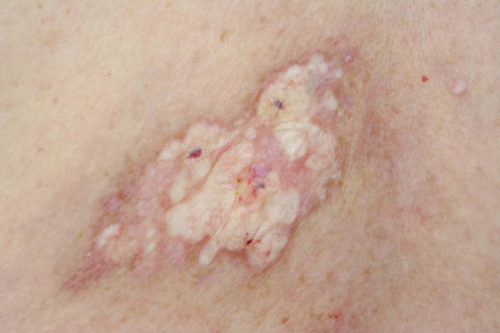
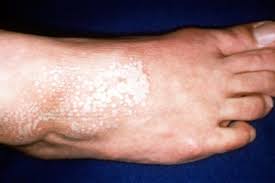
Lichen sclerosus is a chronic skin condition that typically affects the genital and anal areas, although it can occur anywhere on the body. It is characterized by thin, white, patchy skin that is often itchy, painful, and easily irritated. In severe cases, the affected skin can become scarred. Lichen sclerosus is more common in women, particularly after menopause, but it can also affect men and children.
What Are the Causes of Lichen Sclerosus?
The exact cause of lichen sclerosus is not fully understood, but several factors are believed to contribute to its development:
- Autoimmune Response: It is thought to be an autoimmune disorder, where the body’s immune system mistakenly attacks the skin.
- Genetic Factors: A genetic predisposition may increase the likelihood of developing lichen sclerosus.
- Hormonal Imbalances: Hormonal changes, particularly a decrease in estrogen levels during menopause, are thought to play a role in the development of lichen sclerosus in women.
- Infection or Irritation: While lichen sclerosus itself is not caused by an infection, irritation or injury to the skin may trigger or worsen the condition.
What Are the Symptoms of Lichen Sclerosus?
The symptoms of lichen sclerosus vary depending on the severity of the condition and the area of the body affected. Common symptoms include:
- Itchy or Painful Skin: Persistent itching or pain, especially in the genital or anal areas.
- White, Thin Patches of Skin: The skin may become pale, thin, and shiny, with distinct white patches.
- Tears or Cracks in the Skin: The affected skin can become fragile and prone to tears or fissures, which may be painful.
- Scarring: In severe cases, scarring or tightening of the skin may occur, which can lead to difficulty with urination or sexual activity.
- Blisters or Bullae: In some cases, blisters or fluid-filled lesions may form on the affected skin.
How is Lichen Sclerosus Diagnosed?
Diagnosis of lichen sclerosus is typically based on the appearance of the skin and the patient’s symptoms. It may involve the following:
- Clinical Examination: A healthcare provider will examine the affected areas of skin and may ask about any symptoms, such as itching or pain.
- Skin Biopsy: A biopsy, or small sample of skin, may be taken for laboratory examination to confirm the diagnosis and rule out other conditions.
- Urine and Blood Tests: These may be conducted to rule out infections or other underlying conditions that may contribute to the symptoms.
What Are the Treatment Options for Lichen Sclerosus?
While there is no cure for lichen sclerosus, treatment can help manage symptoms and prevent further damage to the skin. Common treatment options include:
- Topical Steroids: Potent corticosteroid creams or ointments are the mainstay of treatment. They help reduce inflammation, alleviate symptoms, and prevent scarring.
- Emollients: Moisturizers or emollient creams can be used to keep the skin hydrated and reduce irritation.
- Other Topical Treatments: In cases where steroids are not effective or appropriate, other medications such as calcineurin inhibitors (e.g., tacrolimus) may be used.
- Corticosteroid Injections: For severe cases, corticosteroid injections may be used to reduce inflammation and scarring.
- Surgical Intervention: In rare cases, surgery may be required to remove severely scarred tissue or to relieve discomfort caused by scarring.
What Are the Possible Complications of Lichen Sclerosus?
If left untreated, lichen sclerosus can lead to several complications:
- Scarring and Skin Changes: Persistent damage to the skin can result in scarring, which can cause the skin to become tight or fused. In women, this can affect the vaginal opening and lead to difficulties with sexual intercourse or urination.
- Increased Risk of Infections: Fragile skin and open sores can increase the risk of infections.
- Emotional and Psychological Impact: The chronic nature of the condition, combined with the discomfort and visible symptoms, can affect the patient’s mental health, leading to anxiety, depression, or stress.
- Increased Risk of Cancer: While rare, long-term untreated lichen sclerosus can increase the risk of developing squamous cell carcinoma in the affected area, particularly in the genital region.
How Can Lichen Sclerosus Be Prevented?
There is no known way to prevent lichen sclerosus. However, early diagnosis and treatment can help manage the condition and reduce the risk of complications. Some tips for managing the condition include:
- Follow Treatment Plans: Using prescribed topical treatments as directed can help prevent flare-ups and reduce the risk of complications.
- Avoid Irritation: Avoiding harsh soaps, scented products, and tight clothing can help prevent irritation of the affected skin.
- Maintain Proper Hygiene: Gentle cleaning with mild, fragrance-free products and ensuring the area remains dry and free from friction can help reduce symptoms.
When Should You See a Doctor?
You should see a doctor if you experience any of the following:
- Persistent Symptoms: If you have persistent itching, pain, or skin changes in the genital or anal areas, especially if these symptoms are affecting your daily activities or sexual function.
- Signs of Complications: If you notice scarring, bleeding, or ulcers in the affected areas, or if you experience difficulty urinating or having sex due to tightening of the skin.
- Concern About Cancer: If you are concerned about the long-term risks of untreated lichen sclerosus, particularly in relation to the potential for skin cancer.