What is Lactic Acidosis?
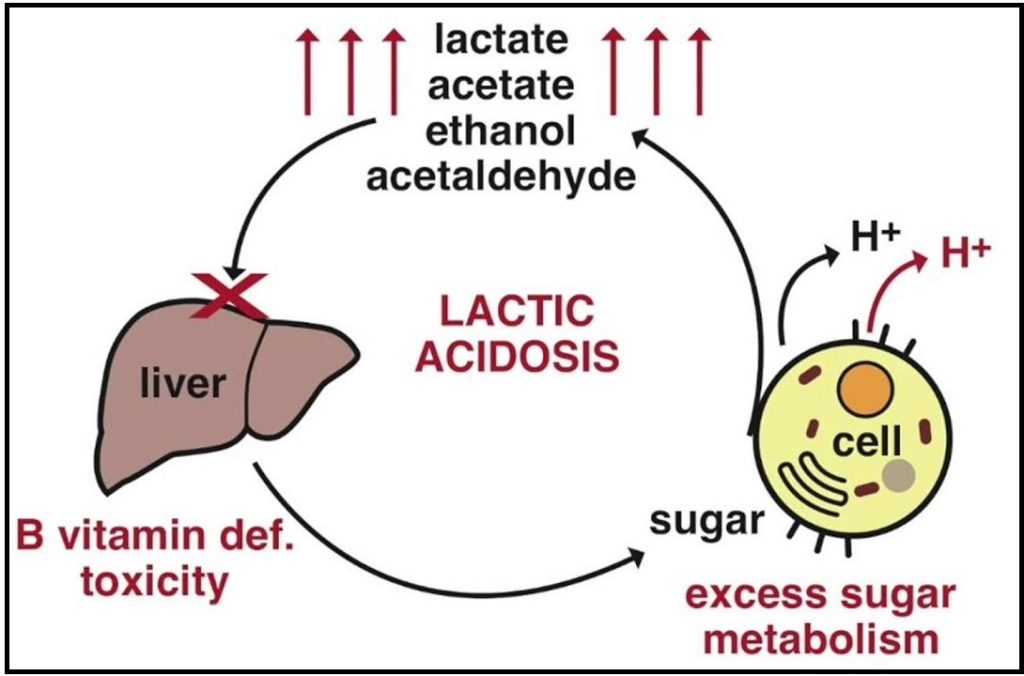
Lactic acidosis is a condition where there is an excess of lactic acid in the bloodstream, leading to a decrease in the pH of the blood. This can result in serious metabolic disturbances. The body produces lactic acid when oxygen levels are low, often during intense physical exertion. However, when lactic acid builds up too much, it can lead to acidosis, causing symptoms like rapid breathing, fatigue, nausea, and confusion.
Types of Lactic Acidosis?
There are two main types of lactic acidosis: Type A and Type B.
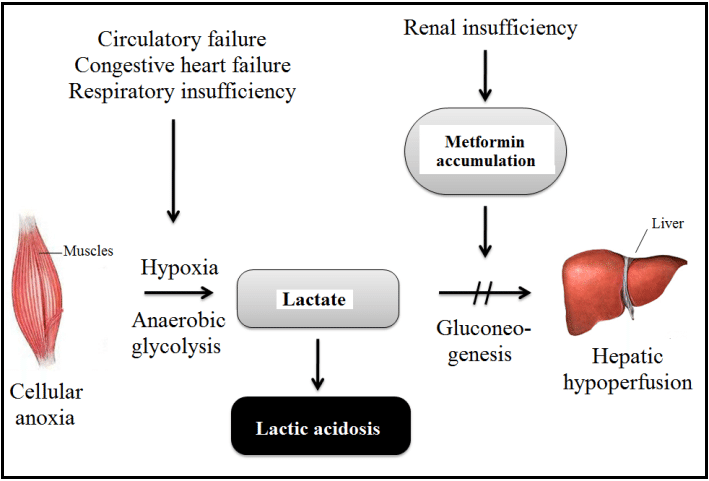
- Type A occurs due to tissue hypoxia (lack of oxygen). This type is usually seen in conditions like shock, severe blood loss, or respiratory failure.
- Type B occurs without tissue hypoxia and is often linked to underlying medical conditions, such as diabetes, liver disease, or kidney failure, as well as medications like metformin.
Causes of Lactic Acidosis?
Lactic acidosis can be caused by various factors:
- Intense exercise: Strenuous physical activity can cause temporary lactic acid buildup.
- Medical conditions: Diseases such as diabetes, liver failure, kidney disease, and cancer can contribute to lactate accumulation.
- Medications: Some medications, particularly metformin used for diabetes, can increase the risk of lactic acidosis.
- Alcohol intoxication: Chronic alcohol use can impair liver function, contributing to lactic acidosis.
- Infections and sepsis: Severe infections can lead to hypoxia (lack of oxygen) and contribute to the condition.
Symptoms of Lactic Acidosis?
Common symptoms of lactic acidosis include:
- Rapid breathing (hyperventilation)
- Fatigue or weakness
- Nausea and vomiting
- Muscle pain or cramping
- Abdominal discomfort
- Confusion or disorientation
- In severe cases, it can lead to coma or shock.
The severity of symptoms often depends on the underlying cause and how high the lactate levels are.
Diagnosis of Lactic Acidosis?
Diagnosis of lactic acidosis is based on clinical symptoms and blood tests. A lactate blood test is the primary method to measure the amount of lactate in the bloodstream. Other tests may include:
- Arterial blood gas test: Measures blood pH and bicarbonate levels to assess acidosis.
- Metabolic panels: To check kidney and liver function, which may be contributing factors.
- CT or MRI: Imaging tests may be used if an underlying condition like sepsis or organ failure is suspected.
Treatment and Management?
Treatment of lactic acidosis focuses on correcting the underlying cause and stabilizing the patient:
- Oxygen therapy: To restore normal oxygen levels and reduce lactic acid production.
- Intravenous fluids: To maintain hydration and improve kidney function.
- Medications: In some cases, medications like sodium bicarbonate are used to neutralize the acidity in the blood.
- Treating the underlying condition: Addressing the root cause, whether it’s infection, organ failure, or metabolic issues, is crucial for long-term management.
Possible Complications?
If not treated promptly, lactic acidosis can lead to severe complications, including:
- Organ failure: Particularly affecting the kidneys and heart.
- Shock: Can result in a critical drop in blood pressure and reduced blood flow to vital organs.
- Coma: In severe cases, prolonged acidosis can lead to unconsciousness or coma.
- Death: If left untreated or unaddressed, lactic acidosis can be fatal.
Prevention?
Preventing lactic acidosis largely depends on managing the underlying risk factors:
- Regular monitoring: People with diabetes or kidney disease should regularly monitor their lactate levels.
- Avoiding excessive alcohol use: Limiting alcohol intake can prevent liver dysfunction.
- Proper medication management: People on drugs like metformin should follow prescribed doses and monitor kidney function.
- Maintaining adequate oxygen levels: In cases of severe illness or infection, ensuring proper oxygenation can reduce the risk of acidosis.
When to See a Doctor?
You should seek immediate medical attention if you experience symptoms like rapid breathing, confusion, severe fatigue, or nausea, particularly if you have risk factors such as diabetes, kidney disease, or a history of alcohol use. Early diagnosis and treatment are essential to prevent complications and improve outcomes.