


What is Keratosis Obstructive?
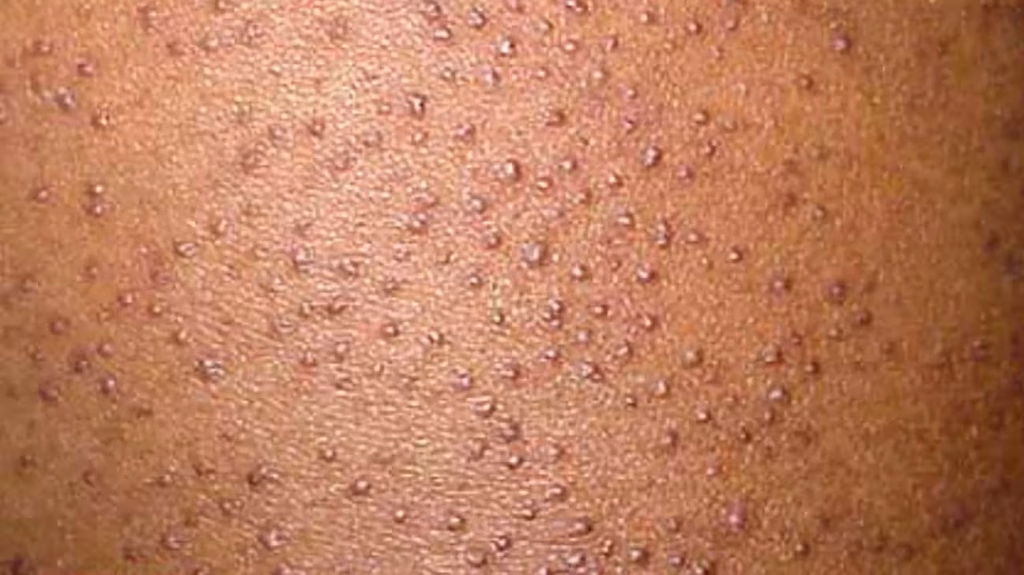
Keratosis obstructive is a rare skin condition in which abnormal accumulation of keratin (a protein found in the outer layer of the skin) blocks the sweat glands or hair follicles, leading to chronic skin issues. It is often considered a variant of keratosis pilaris or may be seen in association with certain genetic or systemic disorders.
This condition can cause thickened, rough patches of skin, plugged pores, and sometimes inflammation or infection due to blockage. It may also contribute to heat intolerance and other symptoms if the sweat glands are affected.
What causes Keratosis Obstructive?
Keratosis obstructive is caused by overproduction of keratin, which clogs the openings of hair follicles or sweat ducts. The exact trigger may vary, and causes can include:
- Genetic predisposition
- Chronic friction or irritation of the skin
- Underlying skin conditions (like ichthyosis or eczema)
- Systemic syndromes such as Conradi-Hünermann syndrome or Olmsted syndrome
- Hormonal imbalances
- Certain medications that affect skin cell turnover
In some cases, the obstruction affects eccrine sweat glands, leading to sweat retention, inflammation, and even formation of small cysts or papules.
What are the symptoms of Keratosis Obstructive?
Common signs and symptoms include:
- Rough, bumpy skin with plugged follicles
- Small, hard keratin plugs (often skin-colored or white)
- Dryness and scaling
- Redness or inflammation around affected areas
- Heat intolerance or decreased sweating (if sweat ducts are blocked)
- Localized discomfort or itching
- In severe or chronic cases, scarring or darkened patches may occur
The condition typically affects the arms, thighs, buttocks, and trunk, but may appear in other areas as well.
How is Keratosis Obstructive diagnosed?
Diagnosis is usually based on:
- Clinical examination of the skin
- Dermatological history
- In some cases, a skin biopsy may be done to rule out other keratinization disorders or rare skin syndromes
It’s important to distinguish this condition from other forms of keratosis, eczema, or folliculitis.
How is Keratosis Obstructive treated?
There is no cure, but symptom management can improve skin appearance and comfort. Common treatments include:
- Topical keratolytics:
- Urea cream
- Salicylic acid
- Lactic acid
- Alpha hydroxy acids (AHAs)
- Retinoid creams (like tretinoin) to normalize skin cell turnover
- Moisturizers to reduce dryness and scaling
- Gentle exfoliation to help remove keratin plugs
- Topical corticosteroids for inflamed areas (used short-term)
- Avoiding excessive friction or harsh soaps
For severe or widespread cases, dermatologist-prescribed treatments such as oral retinoids may be considered.

What is the prognosis for Keratosis Obstructive?
The condition tends to be chronic but manageable. With consistent skin care and topical treatments, many patients experience improvement. However, symptoms may fluctuate or worsen during dry weather or with certain triggers.
Keratosis obstructive is not contagious or life-threatening, but it may cause cosmetic concerns or discomfort if untreated.
Can Keratosis Obstructive be prevented?
While it cannot always be prevented, certain practices can help reduce flare-ups:
- Use gentle skin cleansers and moisturize regularly
- Avoid harsh scrubbing or friction on the skin
- Manage underlying skin or systemic conditions
- Follow dermatologist-recommended maintenance treatments
Early intervention and good skincare habits are key to minimizing symptoms and preventing complications.