


What Is Korsakoff Syndrome?
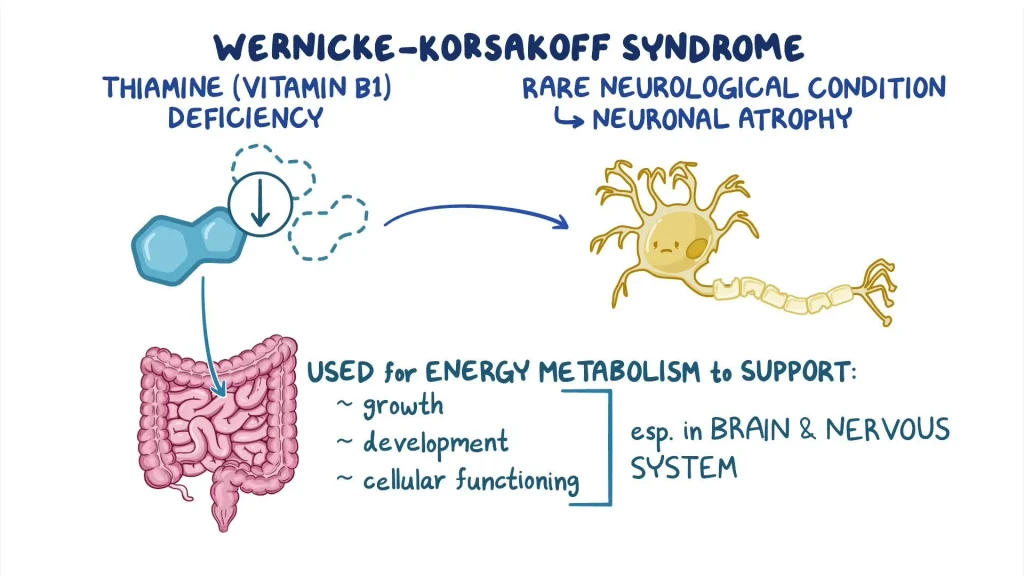
Korsakoff Syndrome, also known as Korsakoff Psychosis, is a serious neurological disorder caused by a severe deficiency of thiamine (vitamin B1). It primarily affects memory, with individuals experiencing profound short-term memory loss, confusion, and difficulty learning new information. Korsakoff Syndrome is often considered the chronic phase of Wernicke-Korsakoff Syndrome (WKS), a two-part condition where Wernicke’s encephalopathy represents the acute stage.
The syndrome is most commonly linked to chronic alcohol abuse, but it can also occur in people with malnutrition, eating disorders, or chronic illnesses that impair vitamin absorption.
What Causes Korsakoff Syndrome?
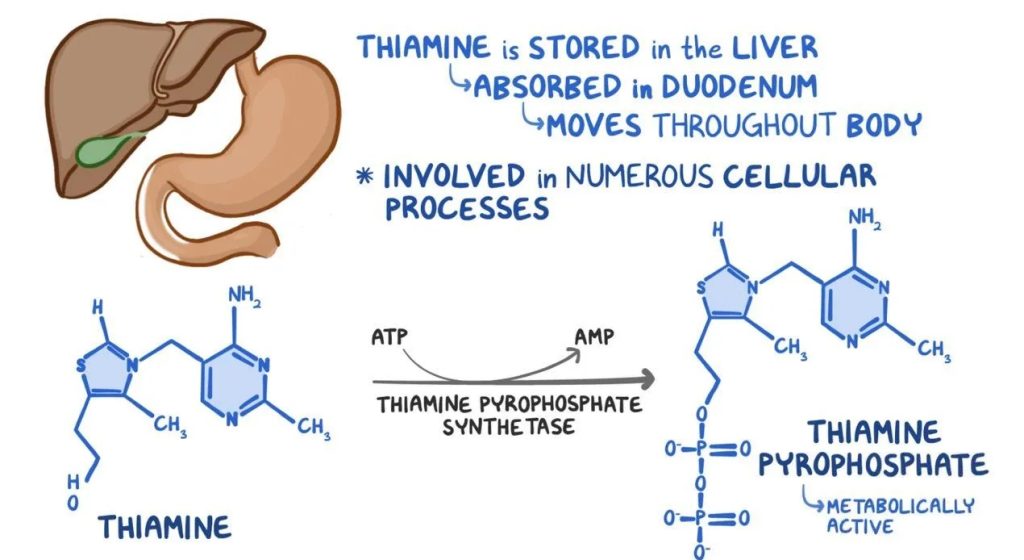
Korsakoff Syndrome is caused by a lack of thiamine (vitamin B1), a nutrient essential for brain function. The deficiency leads to damage in parts of the brain involved in memory and learning, particularly the mammillary bodies and thalamus.
Common causes include:
- Chronic alcoholism (most frequent cause)
- Severe malnutrition
- Eating disorders (e.g., anorexia nervosa)
- Chronic vomiting or gastrointestinal disorders
- Long-term dialysis
- Cancer or infections affecting nutrient absorption
Without enough thiamine, the brain cannot produce the energy it needs, leading to brain cell damage.
What Are the Symptoms of Korsakoff Syndrome?
The primary feature of Korsakoff Syndrome is memory impairment, especially affecting short-term memory. Common symptoms include:
- Severe short-term memory loss
- Inability to form new memories
- Confabulation – making up stories to fill in memory gaps
- Disorientation and confusion
- Poor judgment and decision-making
- Apathy or lack of interest
- Normal social skills despite memory loss
In many cases, individuals appear alert and engage normally in conversation, but they may quickly forget what was just said.
How Is Korsakoff Syndrome Diagnosed?
Diagnosis is clinical and based on:
- History of alcohol abuse or thiamine deficiency
- Cognitive testing – to assess memory and learning ability
- Neurological examination
- MRI or CT scan – may show brain shrinkage or damage
- Blood tests – to assess thiamine levels and rule out other causes
Often, diagnosis is made after the acute phase of Wernicke’s encephalopathy, once chronic memory issues persist.
What Is the Treatment for Korsakoff Syndrome?
Early treatment can help limit further brain damage, though full recovery is rare. Treatment typically includes:
- High-dose thiamine (vitamin B1) supplementation – initially given by injection, followed by oral doses
- Complete abstinence from alcohol
- Nutritional support – including a balanced diet rich in vitamins and minerals
- Cognitive rehabilitation and memory training
- Supportive care – including supervision and structure in daily activities
Although some cognitive improvements may occur, permanent memory loss is common.
Can Korsakoff Syndrome Be Prevented?
Yes, prevention is possible and highly effective when at-risk individuals are identified early. Steps include:
- Avoiding excessive alcohol consumption
- Ensuring proper nutrition
- Providing thiamine supplements to those at risk (e.g., hospitalized alcoholics, people with eating disorders, or gastrointestinal issues)
- Early treatment of Wernicke’s encephalopathy before it progresses
What Is the Outlook for People with Korsakoff Syndrome?
The long-term outlook depends on the timing of treatment, severity of brain damage, and lifestyle changes (especially alcohol abstinence). Key points include:
- Some individuals recover partially, especially with early thiamine therapy and alcohol cessation.
- Most will have lasting memory problems and require long-term care or support.
- In severe or untreated cases, Korsakoff Syndrome can lead to permanent disability or even death from related complications.
With proper medical attention and support, people with Korsakoff Syndrome can still maintain some independence and quality of life.