


What Is Korsakoff Dementia?
Korsakoff Dementia, also known as Korsakoff Syndrome, is a chronic memory disorder caused by severe deficiency of thiamine (vitamin B1). It is most often associated with long-term alcohol abuse, but it can also result from conditions that lead to poor nutrition or malabsorption. The condition primarily affects memory and learning, with individuals experiencing profound short-term memory loss, while long-term memories may remain relatively intact.
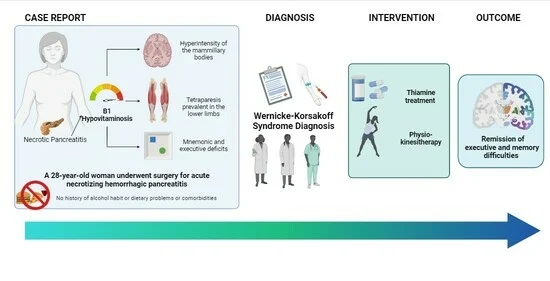
Korsakoff Dementia is often considered part of a spectrum with Wernicke’s Encephalopathy, a related acute condition. Together, they are referred to as Wernicke-Korsakoff Syndrome (WKS).
What Causes Korsakoff Dementia?
Korsakoff Dementia is caused by a lack of thiamine (vitamin B1), which is essential for brain cell function. Common causes include:
- Chronic alcohol abuse (most common)
- Severe malnutrition
- Eating disorders (like anorexia)
- Prolonged vomiting or hyperemesis gravidarum
- Chronic infections (such as HIV/AIDS)
- Gastrointestinal diseases or surgeries that affect nutrient absorption
Thiamine deficiency leads to damage in areas of the brain involved in memory formation, particularly the thalamus and mammillary bodies.
What Are the Symptoms of Korsakoff Dementia?
Symptoms typically develop gradually and include:
- Severe short-term memory loss (difficulty forming new memories)
- Confabulation (making up stories to fill memory gaps)
- Disorientation and confusion
- Difficulty learning new information
- Poor insight into their own condition
- Apathy or lack of motivation
- Hallucinations or false beliefs (in some cases)
People with Korsakoff Dementia often have a normal level of alertness and social skills, making the memory issues more striking.
How Is Korsakoff Dementia Diagnosed?
Diagnosis is based on a combination of:
- Medical history, especially regarding alcohol use or malnutrition
- Neurological examination
- Mental status tests to assess memory and cognitive function
- Brain imaging (MRI or CT scans) – may show shrinkage in specific brain regions
- Blood tests to check vitamin B1 levels and rule out other causes
Because the condition can resemble other forms of dementia or brain injury, a thorough assessment is important.
What Is the Treatment for Korsakoff Dementia?
Early treatment may improve outcomes, especially if started during the Wernicke’s phase. Key treatments include:
- High-dose thiamine supplementation (usually given intravenously first, then orally)
- Complete cessation of alcohol intake
- Proper nutrition and hydration
- Supportive care for cognitive symptoms and behavioral changes
- Memory rehabilitation strategies and therapy
Although some symptoms may improve with treatment, many individuals have lasting memory deficits.
Can Korsakoff Dementia Be Prevented?
Prevention focuses on early detection of thiamine deficiency and reducing risk factors:
- Avoid excessive alcohol consumption.
- Maintain a balanced, vitamin-rich diet.
- Supplement thiamine in people at risk, such as those with alcoholism or chronic illnesses.
- Treat Wernicke’s Encephalopathy immediately to prevent progression to Korsakoff Syndrome.
What Is the Outlook for People with Korsakoff Dementia?
The prognosis depends on how early the condition is diagnosed and treated:
- Some improvement is possible with proper treatment, especially if thiamine is given early.
- In most cases, memory problems persist long-term, though the condition may stabilize.
- Individuals often require ongoing support, including memory aids, structured routines, and caregiver assistance.
- If untreated, Korsakoff Dementia can lead to permanent disability or even death due to complications.