What Are Knock Knees?
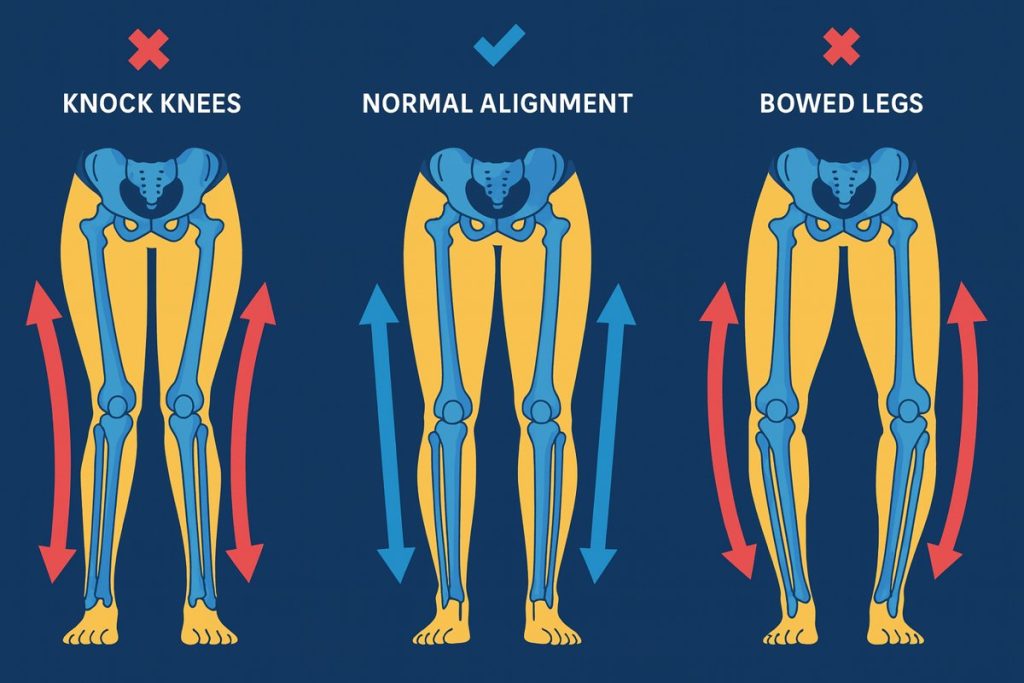
Knock knees, also known as genu valgum, is a condition in which a person’s knees angle inward and touch each other when standing with the feet apart. This misalignment can cause the lower legs to appear separated, creating a knock-kneed appearance. Knock knees are common in children and typically resolve as they grow, but they can also persist into adulthood or develop later due to certain health conditions.
What Are the Causes of Knock Knees?
Knock knees can develop due to various factors, including genetic conditions, developmental issues, and underlying health conditions. Common causes include:
Childhood Development
- It is normal for young children, typically between the ages of 2 and 4 years, to have some degree of knock knees. As they grow and develop, the legs typically straighten out naturally.
Genetic Factors
- Family history may play a role in whether a child develops knock knees, especially if there is a genetic predisposition to limb misalignment.
Nutritional Deficiencies
- Vitamin D deficiency or conditions like rickets can lead to weakened bones, which in turn may contribute to the development of knock knees.
Injuries or Trauma
- Injuries that affect the knees or lower limbs during childhood or adolescence can cause misalignment and lead to knock knees.
Underlying Medical Conditions
- Conditions such as osteoarthritis, rheumatoid arthritis, and other joint disorders may contribute to the development of knock knees, especially in adulthood.
Obesity
- Excessive weight can put pressure on the knees, potentially leading to changes in the structure and alignment of the knees over time.
What Are the Symptoms of Knock Knees?
While knock knees may not cause pain for everyone, some individuals may experience the following symptoms:
Physical Symptoms
- Inward-curving knees that touch each other when standing.
- Gaps between the feet when standing with knees together, causing the knees to appear “knocked” inward.
- Pain or discomfort around the knees, particularly when walking, standing, or engaging in physical activities.
Functional Symptoms
- Difficulty walking or running due to altered gait.
- Stiffness or limited range of motion in the knees, especially in adults with underlying medical conditions.
- Uneven wear on shoes due to altered walking posture and misalignment of the knees.
How Is Knock Knees Diagnosed?
Knock knees are typically diagnosed through a physical examination and by evaluating the patient’s history. In some cases, imaging studies such as X-rays may be used to assess the severity of the condition and any underlying issues.
Physical Examination
- The doctor will observe the alignment of the knees when the patient stands with feet apart to assess the degree of misalignment.
Imaging Studies
- X-rays may be used to view the bones and joints, particularly in cases where the condition persists into adulthood or is associated with other health concerns.
How Is Knock Knees Treated?
Treatment for knock knees depends on the age of the individual and the severity of the condition. In children, it often resolves naturally, while in adults, treatment may be needed to relieve symptoms or correct the misalignment.
Observation in Children
- In many cases, no treatment is necessary for children, as the condition often improves with growth. The doctor will monitor the child’s progress and check for any associated complications.
Physical Therapy
- Strengthening exercises and stretching may be recommended to improve leg alignment, muscle balance, and joint function.
- Orthotic devices like braces or insoles may be suggested to help with posture and alleviate discomfort.
Surgical Intervention
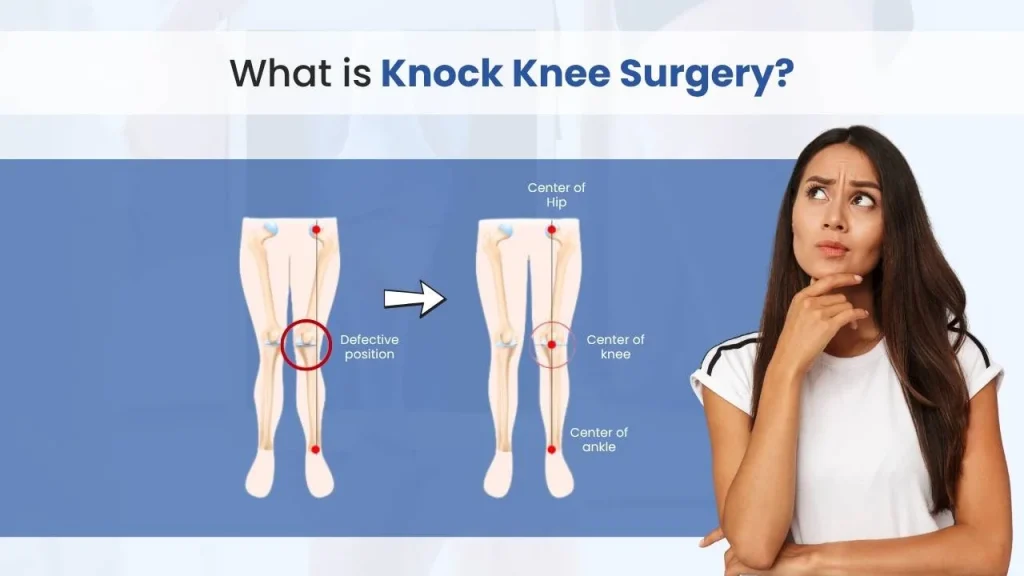
- In severe cases or when the condition doesn’t improve with age, surgical correction may be needed. Osteotomy, a procedure where bones are cut and realigned, is the most common surgery used to correct knock knees in adults.
- Realignment of the knee joint may also be performed to improve alignment and reduce pain in cases associated with arthritis.
Weight Management
- If obesity is contributing to knock knees, a weight loss plan may be advised to reduce pressure on the knees and prevent further misalignment.
What Are the Long-Term Effects of Knock Knees?
For many children, the condition improves as they grow, and there are no long-term effects. However, if the condition persists into adulthood, or if it’s associated with underlying health conditions, there could be some lasting effects, such as:
Joint Wear and Tear
- Persistent knock knees, particularly in adults, may cause uneven wear on the knee joints, leading to osteoarthritis or other joint problems.
Pain and Discomfort
- Individuals with knock knees may experience chronic knee pain or discomfort, particularly after physical activity or standing for long periods.
Altered Gait
- Knock knees can lead to an abnormal walking pattern, which may cause additional strain on other joints, such as the hips and lower back.
Functional Impairment
- In severe cases, knock knees may interfere with normal daily activities, including walking, running, and participating in sports.
How Can Knock Knees Be Prevented?
Since knock knees often occur as a part of normal childhood development, there is no sure way to prevent the condition. However, there are some strategies that can help minimize the risk of long-term complications:
Proper Nutrition
- Ensure that children receive adequate amounts of vitamin D and calcium for healthy bone development to reduce the risk of nutritional deficiencies like rickets.
Weight Management
- Maintaining a healthy weight can reduce pressure on the knees, particularly in children and adults who may be at risk for obesity-related knee issues.
Early Diagnosis and Intervention
- For children showing signs of knock knees that don’t improve naturally, early intervention with physical therapy or other treatments can help prevent further complications.
Can Knock Knees Be Managed Without Surgery?
Yes, in many cases, particularly in children, knock knees can improve over time with observation and monitoring. For adults, management typically involves physical therapy, weight management, and orthotic devices. Surgery is reserved for severe cases where symptoms are persistent and disabling.