What Is Klinefelter Syndrome in Adolescents?
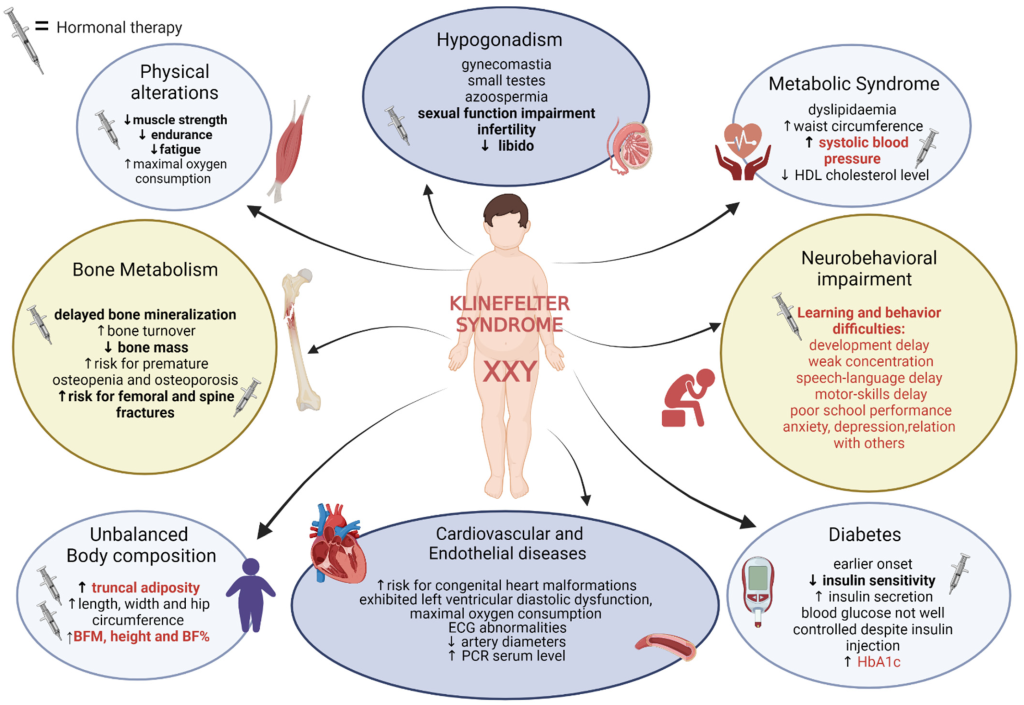
Klinefelter Syndrome (KS) is a genetic condition that occurs in males when they have an extra X chromosome, leading to a 47,XXY karyotype instead of the typical 46,XY. This condition often goes undiagnosed during childhood, with symptoms becoming more apparent during adolescence. Adolescents with Klinefelter Syndrome may experience a range of physical, cognitive, and emotional symptoms due to the hormonal and developmental changes associated with the extra chromosome.
What Are the Causes of Klinefelter Syndrome in Adolescents?
Klinefelter Syndrome is caused by a random genetic mutation, where males inherit an additional X chromosome. This extra chromosome interferes with the normal development of the male reproductive system, leading to testicular atrophy, low testosterone levels, and other physical and cognitive differences.
Unlike many genetic conditions, Klinefelter Syndrome is not inherited and occurs due to a random error in cell division during the formation of sperm or egg cells.
How Does Klinefelter Syndrome Affect Adolescents?
Physical Symptoms
As adolescents with Klinefelter Syndrome go through puberty, they may experience delayed or incomplete development of secondary sexual characteristics, such as:
- Small testicles (underdeveloped testes)
- Reduced facial and body hair compared to peers
- Tall stature with long limbs
- Gynecomastia (development of breast tissue)
These physical traits can contribute to feelings of self-consciousness and social anxiety during adolescence.
Hormonal Imbalances
Testosterone, the primary male sex hormone, is typically low in adolescents with Klinefelter Syndrome. This hormonal imbalance can cause:
- Reduced muscle mass
- Increased body fat
- Fatigue
- Reduced libido
Low testosterone levels can also affect bone density, leading to a higher risk of osteoporosis in adulthood.
Cognitive and Behavioral Symptoms
Adolescents with Klinefelter Syndrome may also experience:
- Learning difficulties, especially in language development and speech
- Attention problems and difficulty focusing
- Social challenges, including difficulties with social interactions and forming relationships
- Emotional difficulties such as depression or anxiety
However, intelligence in adolescents with Klinefelter Syndrome is typically normal, though there may be delays in language skills and academic performance.
How Is Klinefelter Syndrome Diagnosed in Adolescents?
Clinical Examination
Diagnosis often occurs during adolescence when physical symptoms, such as small testicles or gynecomastia, become more evident. A physical examination and medical history review are often the first steps in diagnosing Klinefelter Syndrome.
Genetic Testing
The definitive diagnosis is made through genetic testing, usually a karyotype test, which identifies the presence of an extra X chromosome (47,XXY).
Hormonal Testing
Blood tests measuring levels of testosterone, FSH (follicle-stimulating hormone), and LH (luteinizing hormone) help confirm hormonal imbalances that are common in Klinefelter Syndrome.
Cognitive and Psychological Evaluation
A full evaluation by a psychologist or speech therapist may be conducted to assess cognitive, learning, and behavioral challenges in adolescents with Klinefelter Syndrome.
What Are the Symptoms of Klinefelter Syndrome in Adolescents?
Physical Symptoms
- Tall stature with long arms and legs
- Underdeveloped testicles and lack of sperm production
- Reduced muscle mass and increased body fat
- Gynecomastia (development of breast tissue)
- Low testosterone levels, leading to fatigue and lack of energy
Cognitive and Emotional Symptoms
- Language delays and difficulty with speech and communication
- Learning difficulties, especially with reading, writing, and math
- Attention problems and trouble focusing
- Social difficulties including issues with social interactions and forming friendships
- Emotional challenges, such as anxiety, depression, or low self-esteem
How Is Klinefelter Syndrome in Adolescents Treated?
Testosterone Replacement Therapy (TRT)
Testosterone Replacement Therapy is a cornerstone of treatment for adolescents with Klinefelter Syndrome. TRT helps improve physical symptoms such as muscle development, fat distribution, and bone density. It also aids in the development of secondary sexual characteristics, such as facial and body hair.
Speech and Language Therapy
Since language development may be delayed, speech and language therapy can help improve communication skills and address difficulties with speech and writing.
Educational Support
Adolescents with Klinefelter Syndrome may benefit from special education services or academic accommodations to assist with learning difficulties. Early intervention programs focusing on reading, math, and social skills are crucial for helping adolescents achieve academic success.
Psychological Support
Adolescents with Klinefelter Syndrome may experience emotional difficulties, such as depression or low self-esteem. Psychological counseling or therapy can help address these issues, as can support groups where individuals can share their experiences.
Fertility Counseling
Although infertility is a common feature of Klinefelter Syndrome, fertility preservation options such as sperm banking may be explored if the adolescent is interested in having biological children in the future. Early counseling on reproductive options can help provide a clear understanding of what is possible.
What Are the Long-Term Effects of Klinefelter Syndrome in Adolescents?
Adult Height
Many individuals with Klinefelter Syndrome reach a taller than average adult height due to the lack of closure of growth plates in the long bones. This results in long limbs and tall stature.
Infertility
As they transition into adulthood, individuals with Klinefelter Syndrome will likely experience infertility due to testicular atrophy and azoospermia. However, sperm retrieval techniques and assisted reproductive technologies can help some individuals achieve biological parenthood.
Psychosocial Impacts
Adolescents with Klinefelter Syndrome may struggle with self-esteem issues and social isolation during their teenage years. These challenges may persist into adulthood if not addressed through psychological support and social skills training.
Ongoing Medical Care
Regular medical monitoring is necessary to track the effects of low testosterone levels, including bone density, muscle mass, and cardiovascular health. Individuals with Klinefelter Syndrome may be at an increased risk for conditions like osteoporosis and heart disease in later life.
How Can Parents Support Adolescents with Klinefelter Syndrome?
Early Diagnosis and Intervention
The earlier Klinefelter Syndrome is diagnosed, the better the chance of addressing developmental and emotional challenges. Early intervention can help adolescents manage their symptoms effectively and lead fulfilling lives.
Encourage Social Engagement
Encouraging social engagement and helping adolescents build strong friendships can be an essential part of coping with the social difficulties of Klinefelter Syndrome.
Support Educational and Emotional Needs
Parents should advocate for their child’s educational needs, ensuring that they receive the support and accommodations necessary to succeed academically. Additionally, emotional support through therapy or counseling can help address any feelings of isolation or anxiety.