


What Is Kidney Cancer?
Kidney cancer is a type of cancer that starts in the kidneys, the bean-shaped organs that filter waste from the blood and produce urine. The most common type is renal cell carcinoma, but other forms include transitional cell carcinoma and Wilms tumor (typically found in children). It often develops silently in early stages, making early detection challenging.
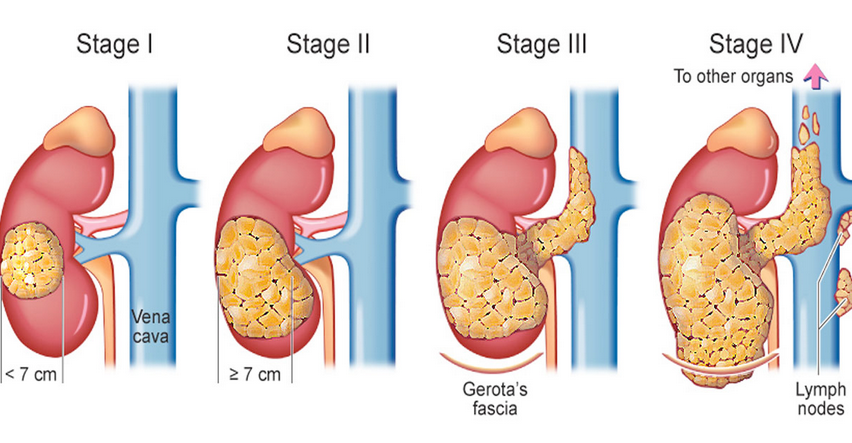
What Are the Causes of Kidney Cancer?
Smoking
Tobacco use significantly increases the risk of developing kidney cancer.
Obesity
Excess body fat can affect hormone levels and increase the likelihood of cancer growth.
High Blood Pressure
Chronic hypertension is linked to higher kidney cancer risk, even without kidney disease.
Family History
Having a close relative with kidney cancer can raise your risk, especially in hereditary syndromes.
Occupational Exposure
Long-term exposure to certain chemicals like asbestos, cadmium, or some herbicides may contribute.
Kidney Disease
Patients with long-term kidney failure or those on dialysis are more vulnerable.
What Are the Symptoms of Kidney Cancer?
Blood in the Urine (Hematuria)
One of the most common early signs. The urine may appear pink, red, or cola-colored.
Pain in the Side or Back
Usually felt on one side and may persist or worsen over time.
Unexplained Weight Loss
Sudden, significant weight loss without trying can be a warning sign.
Fatigue
Constant tiredness despite adequate rest is a common symptom.
Fever
Occasional fever not related to infection may be present.
Lump or Mass
A noticeable lump or swelling in the abdomen or side may be felt.
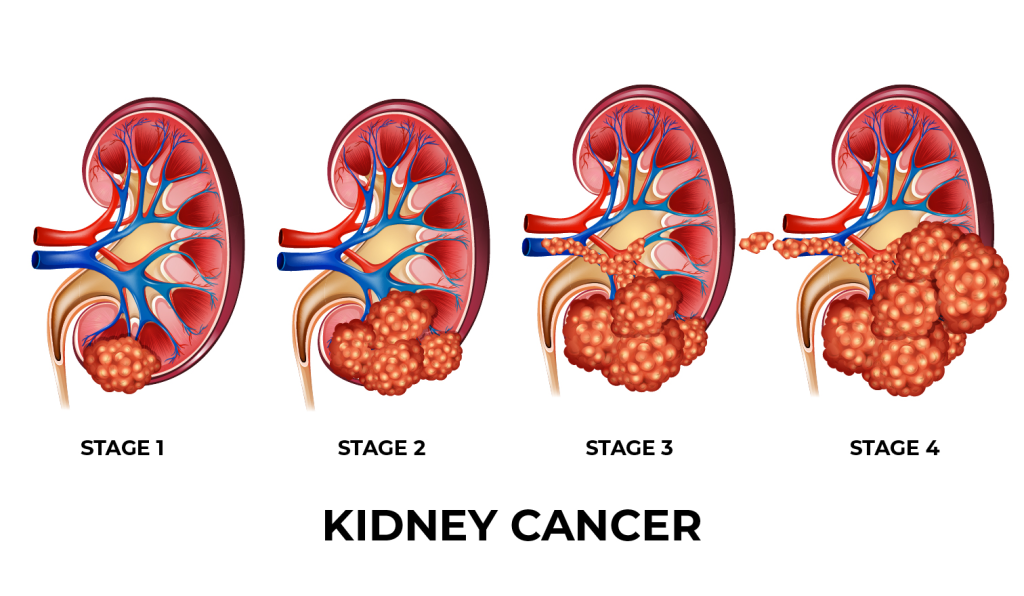
How Is Kidney Cancer Diagnosed?
Imaging Tests
Ultrasound, CT scans, and MRI are commonly used to detect and locate tumors in the kidney.
Urine Tests
These may detect blood or abnormal cells in the urine.
Blood Tests
Used to assess kidney function and detect signs of cancer spread.
Biopsy
In certain cases, a tissue sample is taken to confirm the cancer diagnosis.
How Is Kidney Cancer Treated?
Surgery
The most common treatment. Options include partial or complete removal of the kidney (nephrectomy).
Targeted Therapy
Drugs that block cancer growth by interfering with specific molecules involved in tumor development.
Immunotherapy
Uses the body’s immune system to fight cancer cells, often effective in advanced cases.
Radiation Therapy
Used to relieve pain or control cancer spread, especially when surgery isn’t an option.
Chemotherapy
Less commonly used for kidney cancer but may be considered in specific cases.
How Can Kidney Cancer Be Prevented?
Quit Smoking
Avoiding tobacco products significantly reduces risk.
Maintain a Healthy Weight
Balanced diet and regular exercise help in lowering cancer risk.
Control Blood Pressure
Managing hypertension with medication and lifestyle can prevent kidney damage and cancer.
Avoid Harmful Chemicals
Limiting exposure to toxins and workplace carcinogens helps reduce risk.
Regular Health Checkups
Routine medical visits help detect potential issues early, especially in high-risk individuals.