A temporary group of symptoms some people experience when starting a ketogenic (keto) diet
What is Keto Flu?
Keto flu is a collection of flu-like symptoms that some individuals experience when they begin a ketogenic diet—a low-carb, high-fat diet designed to induce ketosis, a metabolic state where the body burns fat for fuel instead of carbohydrates.
These symptoms are not caused by a virus or infection but are rather side effects of the body’s transition from using glucose (sugar) to ketones for energy. It typically occurs within the first few days to a week of starting the diet and usually resolves on its own.
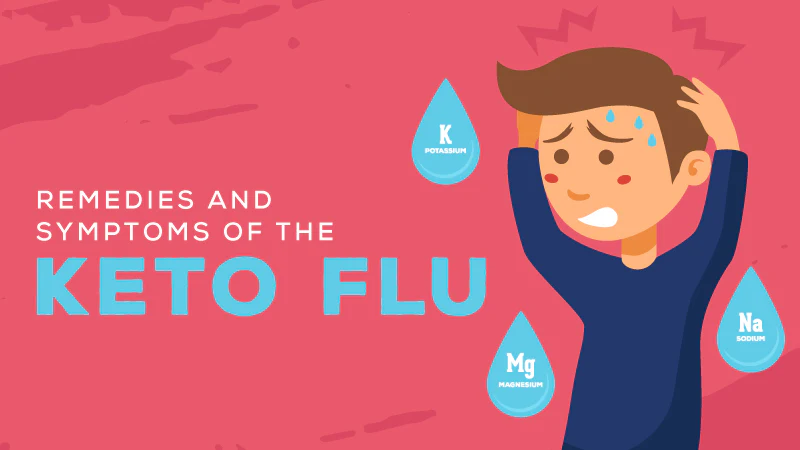
What causes Keto Flu?
When you drastically reduce carbohydrate intake, your body must shift its primary energy source from glucose to ketones. This sudden change leads to:
- Electrolyte imbalances (especially sodium, potassium, and magnesium)
- Dehydration, due to water loss as glycogen stores are depleted
- Changes in hormone levels and metabolic adaptations
- Withdrawal from sugar and processed carbs, which can mimic withdrawal symptoms
These changes temporarily stress the body and cause the symptoms commonly described as “keto flu.”
Who is at risk?
- People new to the keto diet
- Those who transition too quickly from a high-carb diet
- Individuals with low fluid or electrolyte intake
- People with underlying medical conditions or poor baseline nutrition
- Those not consuming adequate fat to compensate for carb restriction
What are the symptoms of Keto Flu?
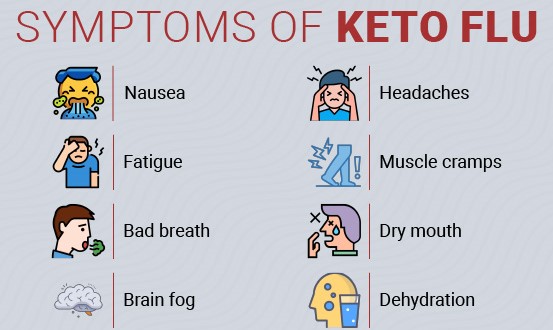
Symptoms may vary in intensity and include:
- Fatigue
- Headache
- Nausea or upset stomach
- Brain fog or difficulty concentrating
- Dizziness or lightheadedness
- Irritability or mood swings
- Muscle cramps or soreness
- Insomnia or sleep disturbances
- Cravings for sugar or carbs
These symptoms can last from a few days up to a week, though some people may experience them longer.
What are the complications?
Keto flu is generally temporary and not dangerous, but if unmanaged, it can lead to:
- Dehydration
- Severe electrolyte imbalance
- Loss of motivation to continue the keto diet
- Poor mental performance in work or daily life
If symptoms become severe or persist, it’s important to consult a healthcare provider.
How is Keto Flu diagnosed?
There is no specific test for keto flu. Diagnosis is based on:
- Diet history, particularly recent changes to low-carb intake
- Symptom pattern, especially within the first week of keto diet initiation
- Ruling out other conditions, such as viral illness or food allergies
How is Keto Flu treated?
Most cases can be managed at home with lifestyle adjustments:
- Stay hydrated with plenty of water
- Increase electrolyte intake, such as sodium (salt), potassium (leafy greens, avocados), and magnesium (nuts, seeds)
- Eat enough fats to fuel your body
- Gradually reduce carbs instead of eliminating them all at once
- Get enough sleep and rest
- Gentle exercise like walking or stretching can help relieve symptoms
Some individuals may benefit from temporary carb reintroduction if symptoms are too severe.
What is the prognosis?
- Keto flu is temporary, and symptoms typically resolve within 3 to 7 days
- Once your body adapts to ketosis, energy levels and focus improve
- Many people find that continuing the keto diet becomes easier after this phase
- Long-term success on keto often requires balanced nutrition and hydration
Can Keto Flu be prevented?
Yes. Preventative steps include:
- Start the keto diet gradually instead of going very low-carb overnight
- Ensure adequate hydration and electrolyte intake from day one
- Eat nutrient-dense foods like leafy greens, avocados, nuts, and seeds
- Listen to your body—rest when needed
- Work with a healthcare professional or dietitian if unsure