What is Juvenile-Onset Stevens-Johnson Syndrome?
Juvenile-Onset Stevens-Johnson Syndrome (SJS) is a rare but severe skin and mucous membrane reaction that typically occurs in response to medications or infections in children and adolescents. It is considered a medical emergency due to the potential for life-threatening complications. The condition causes painful rashes, blisters, and skin peeling, often affecting large areas of the body.
What Causes Juvenile-Onset Stevens-Johnson Syndrome?
SJS in children is most commonly triggered by:
- Certain medications, including:
- Antibiotics (like sulfonamides)
- Antiepileptic drugs
- Nonsteroidal anti-inflammatory drugs (NSAIDs)
- Viral infections, such as:
- Herpes simplex virus
- Mycoplasma pneumoniae
- Epstein-Barr virus
In some cases, the exact cause is unknown.
How Common is Stevens-Johnson Syndrome in Children?
SJS is extremely rare, with an estimated incidence of 1 to 6 cases per million people per year. Juvenile cases make up a smaller portion of the total, but the condition is particularly serious when it occurs in children due to their developing immune systems.
What Are the Symptoms of Juvenile-Onset Stevens-Johnson Syndrome?
Symptoms usually begin with flu-like symptoms followed by a painful skin rash. Key symptoms include:
- Fever, fatigue, and sore throat
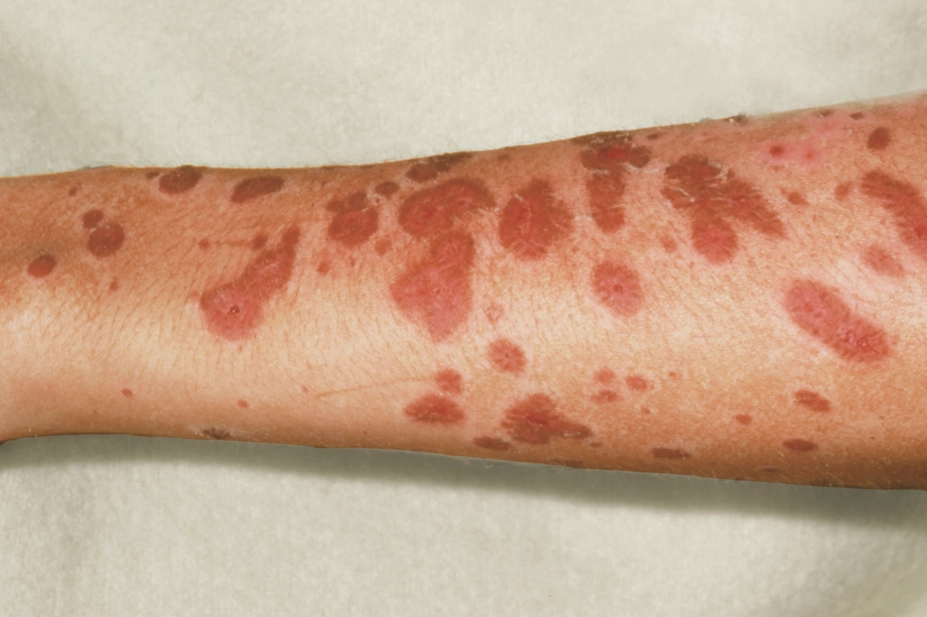
- Red or purple skin rash
- Blistering and peeling skin
- Painful mouth sores
- Eye redness, swelling, and discharge
- Swelling and ulceration of genital or anal areas
The rash typically spreads quickly and may lead to large areas of skin loss, similar to a burn.
How is Juvenile-Onset Stevens-Johnson Syndrome Diagnosed?
Diagnosis is mainly clinical but may include supportive tests:
- Physical examination of the rash and mucous membranes
- Medical history to identify potential drug or infection triggers
- Skin biopsy to confirm SJS and rule out other conditions
- Blood tests to assess inflammation, infection, and organ function
Prompt recognition and diagnosis are critical for survival.
How is Juvenile-Onset Stevens-Johnson Syndrome Treated?
SJS requires immediate hospitalization, often in an intensive care unit or burn unit. Treatment includes:
- Stopping the triggering medication or treating the infection
- Fluid and electrolyte management
- Wound care for affected skin areas
- Pain relief and sedation
- Antibiotics (if infection is present or suspected)
- Eye care by ophthalmology if the eyes are involved
- Nutrition support, sometimes with feeding tubes
Some patients may also be treated with immunosuppressive therapies, such as corticosteroids or intravenous immunoglobulin (IVIG), though their use is still debated.
Can Children Recover from Stevens-Johnson Syndrome?
Yes, most children recover with timely and appropriate care, although the healing process can take weeks to months. The outlook depends on:
- Severity of the reaction
- Speed of treatment
- Age and overall health of the child
However, SJS can lead to long-term complications, especially involving the skin, eyes, or mucous membranes.
What Are the Possible Complications?
Juvenile-Onset SJS may result in:
- Scarring or pigmentation changes of the skin
- Chronic dry eyes or vision problems
- Mouth and throat scarring causing difficulty eating or speaking
- Genital or urinary complications
- Organ damage in severe cases
- Emotional trauma or anxiety related to the experience
Lifelong follow-up care may be needed in some cases.
When Should You See a Doctor?
Seek immediate medical help if a child:
- Develops a rash after starting a new medication
- Has a high fever with eye, mouth, or genital irritation
- Shows signs of skin blistering or peeling
- Appears very ill or lethargic
Do not wait—early intervention can save a child’s life.
What Should You Remember About Juvenile-Onset Stevens-Johnson Syndrome?
- SJS is a rare, life-threatening skin condition
- It often follows medication use or infection
- Symptoms include fever, rash, and skin/mucous membrane blistering
- Treatment must happen in a hospital setting
- With early care, recovery is possible, but complications may occur
- Always inform healthcare providers about any drug reactions in the past