


What is Juvenile-Onset Osteogenesis Imperfecta?
Juvenile-Onset Osteogenesis Imperfecta (OI), also known as “brittle bone disease,” is a genetic disorder that causes bones to break easily, often with little or no apparent cause. While the condition is usually present from birth, some milder cases may not be diagnosed until later in childhood or adolescence.
Osteogenesis Imperfecta affects collagen, a key protein that gives bones strength and structure, leading to fragile bones and a range of other symptoms.
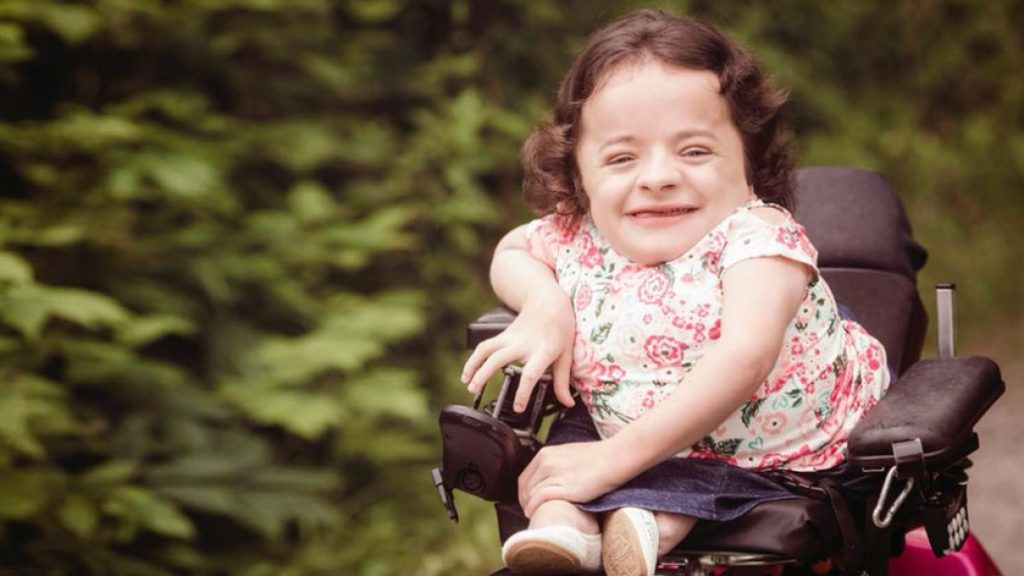
What causes it?
OI is caused by a mutation in the COL1A1 or COL1A2 genes, which are responsible for making collagen. These genetic mutations affect how collagen is produced or assembled, resulting in bones that are weak or improperly formed.
The condition is typically inherited in an autosomal dominant pattern, meaning only one copy of the mutated gene from one parent is enough to cause the disorder. However, some cases arise from new spontaneous mutations with no family history.
What are the symptoms?
Symptoms of Juvenile-Onset Osteogenesis Imperfecta vary depending on the severity of the condition. Common signs include:
- Frequent bone fractures, often from mild trauma
- Bone deformities or bowing of limbs
- Short stature or stunted growth
- Loose joints and muscle weakness
- Blue or gray tint to the whites of the eyes (sclera)
- Hearing loss (in some cases)
- Dental problems such as brittle or discolored teeth (dentinogenesis imperfecta)
- Scoliosis or other spine issues
Symptoms may become more apparent as the child becomes more physically active.
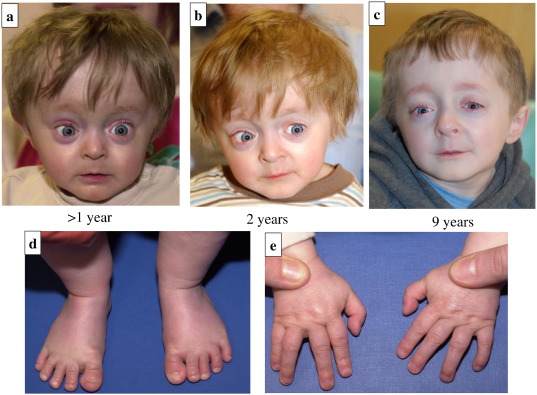
How is it diagnosed?
Diagnosis involves a combination of:
- Physical examination and medical history, including frequency of fractures
- X-rays to check for bone abnormalities
- Genetic testing to identify mutations in collagen-related genes
- Bone density scans to assess bone strength
- Family history review to evaluate inheritance patterns
Early diagnosis is important to prevent injuries and begin proper treatment.
How is it treated?
There is currently no cure for OI, but treatments focus on strengthening bones, preventing fractures, and supporting physical development:
- Bisphosphonates – Medications that help increase bone density and reduce fracture risk
- Physical therapy – To improve mobility, muscle strength, and joint function
- Orthopedic care – Bracing or surgery (like rodding) to correct bone deformities and stabilize bones
- Occupational therapy – Helps children manage daily tasks safely
- Pain management – As needed, especially after fractures
- Hearing assessments and dental care – For children with related complications
Supportive devices like wheelchairs, walkers, or braces may be needed depending on severity.
What is the prognosis?
The outlook for children with Juvenile-Onset Osteogenesis Imperfecta varies:
- Mild forms may only cause occasional fractures and allow for normal life activities
- Moderate to severe forms may involve frequent fractures, physical limitations, and growth problems
With early diagnosis and ongoing care, many children with OI can live long, fulfilling lives and participate in school, sports (with modifications), and social activities.
When should I see a doctor?
Consult a healthcare provider if a child:
- Has recurrent bone fractures with minimal or no trauma
- Shows signs of bone deformities or short stature
- Has blue-tinted sclera or frequent dental issues
- Is experiencing hearing loss at a young age
- Has a known family history of OI
Early detection and a comprehensive care plan can make a significant difference in long-term outcomes.