


What is Juvenile-Onset Chronic Myeloid Leukemia?
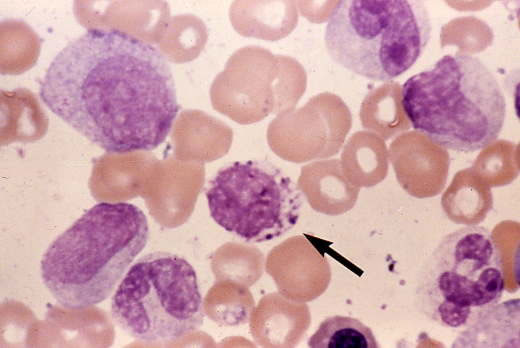
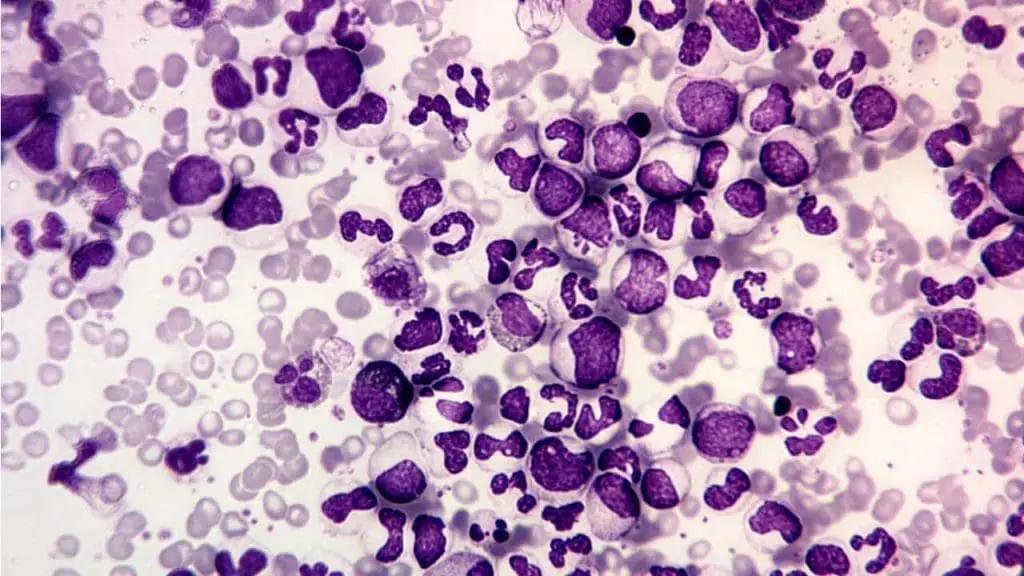
Juvenile-Onset Chronic Myeloid Leukemia (CML) is a rare type of blood cancer that occurs in children and adolescents. It affects the bone marrow, where blood cells are made, and leads to the overproduction of abnormal white blood cells. These abnormal cells can crowd out healthy blood cells, leading to various health problems.
CML is more commonly seen in adults, so its appearance in children is considered unusual and aggressive, often requiring prompt diagnosis and specialized care.
What causes it?
The main cause of CML is a genetic change known as the Philadelphia chromosome, which results from the swapping of genetic material between chromosomes 9 and 22. This abnormality creates a fusion gene called BCR-ABL1, which signals the bone marrow to produce too many white blood cells.
Risk factors include:
- Genetic mutations (not inherited)
- Exposure to radiation (rare)
- No known lifestyle or environmental factors are clearly linked to CML in children
What are the symptoms?
Symptoms of juvenile-onset CML can develop gradually or sometimes go unnoticed until a routine blood test reveals abnormalities. Common symptoms include:
- Fatigue or weakness
- Pale skin or anemia
- Frequent infections
- Easy bruising or bleeding
- Fever or night sweats
- Weight loss or poor appetite
- Fullness or pain under the left rib (due to an enlarged spleen)
In some cases, children may not feel sick at all at first.
How is it diagnosed?
Diagnosis involves a combination of blood tests and bone marrow analysis. Key diagnostic steps include:
- Complete blood count (CBC) – Shows elevated white blood cells
- Bone marrow biopsy – Confirms the presence of cancer cells
- Genetic testing – Identifies the Philadelphia chromosome (BCR-ABL1 gene fusion)
These tests help distinguish CML from other types of leukemia and determine the best treatment approach.
How is it treated?
Treatment for juvenile CML typically involves:
- Tyrosine kinase inhibitors (TKIs) – Medications like imatinib that target the abnormal BCR-ABL1 protein and help control cell growth
- Bone marrow or stem cell transplant – Especially in younger patients or those who don’t respond well to medication
- Supportive care – Managing side effects, preventing infections, and ensuring nutritional support
Children usually require long-term treatment and monitoring to maintain remission and avoid progression of the disease.
What is the prognosis?
With modern treatment, especially TKIs, many children with juvenile-onset CML can achieve long-term remission and live healthy lives. However, the condition must be closely monitored. Some cases may be more resistant or progress more quickly, requiring aggressive treatment.
Early diagnosis and a tailored treatment plan significantly improve outcomes.
When should I see a doctor?
You should seek medical attention if a child experiences:
- Persistent fatigue
- Frequent infections or fevers
- Unexplained bruising or bleeding
- Abdominal fullness or swelling
- General signs of illness that don’t go away
Early testing and diagnosis can make a big difference in managing this rare form of leukemia.