


What is Juvenile Thyroid Carcinoma?
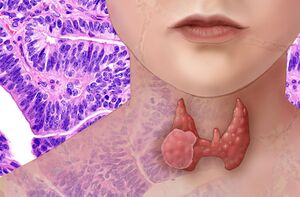
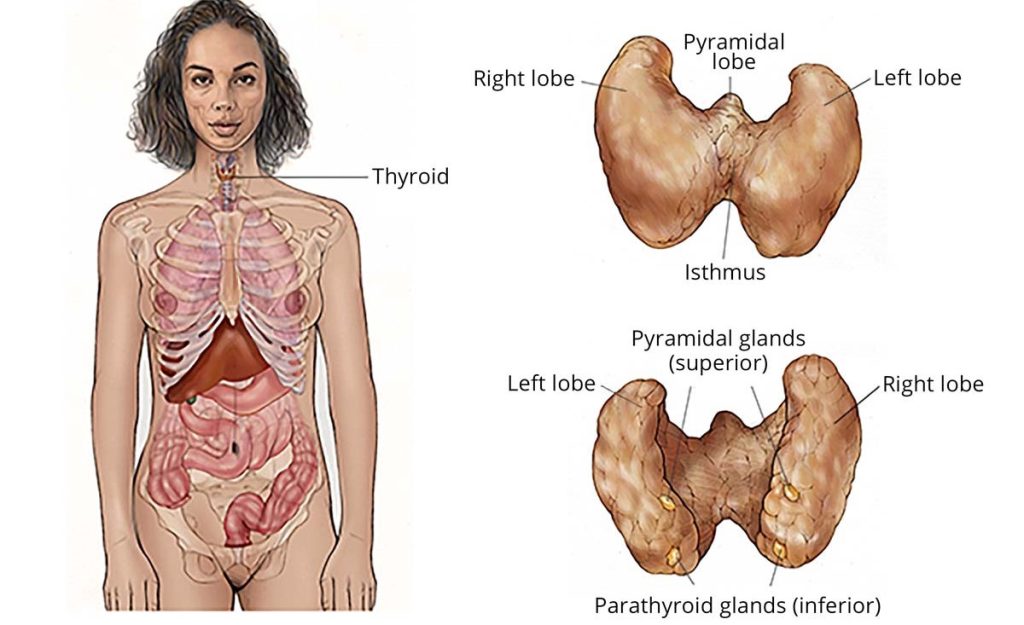
Juvenile Thyroid Carcinoma is a rare type of thyroid cancer that occurs in children and adolescents. It usually involves the abnormal growth of cells in the thyroid gland, a small butterfly-shaped gland located at the front of the neck that regulates metabolism through hormone production.
The most common type of thyroid cancer in young people is papillary thyroid carcinoma, which tends to grow slowly but may spread to nearby lymph nodes.
What causes it?
The exact cause of Juvenile Thyroid Carcinoma is not fully understood, but several risk factors include:
- Genetic mutations
- Radiation exposure to the head, neck, or chest during childhood
- Family history of thyroid cancer or related syndromes (like MEN2)
- Certain genetic syndromes such as Cowden syndrome or familial adenomatous polyposis (FAP)
What are the symptoms?
Many children with thyroid cancer have no symptoms at first. However, signs may include:
- A painless lump or nodule in the neck
- Swelling in the neck
- Hoarseness or voice changes
- Difficulty swallowing
- Enlarged lymph nodes
- Occasionally, pain in the neck or throat
How is it diagnosed?
Diagnosis typically involves a combination of the following:
- Physical examination of the neck
- Ultrasound imaging of the thyroid
- Thyroid function tests to assess hormone levels
- Fine needle aspiration biopsy to sample thyroid tissue
- CT scan or MRI if metastasis is suspected
- Radioiodine scan in some cases
Early detection improves outcomes significantly.
How is it treated?
Treatment for Juvenile Thyroid Carcinoma depends on the type, size, and spread of the tumor. Options include:
- Surgical removal of the thyroid (thyroidectomy), either partial or total
- Radioactive iodine therapy to destroy remaining cancer cells after surgery
- Thyroid hormone replacement therapy for life if the whole thyroid is removed
- Lymph node dissection if cancer has spread to lymph nodes
- Regular monitoring with imaging and blood tests
In some cases, targeted therapy or chemotherapy may be used if the cancer is aggressive or recurrent.
What is the prognosis?
The outlook for children with Juvenile Thyroid Carcinoma is generally very good, especially for papillary thyroid carcinoma, which responds well to treatment. Key points include:
- High survival rate, often over 95%
- Recurrences are possible, so long-term follow-up is essential
- Lifelong thyroid hormone therapy may be needed
Early diagnosis and proper management are crucial for the best outcome.
When should I see a doctor?
See a healthcare provider if your child or teen has:
- A new or growing lump in the neck
- Persistent hoarseness
- Difficulty swallowing or breathing
- A family history of thyroid disease or cancer