


What is Juvenile Muscular Atrophy of the Distal Upper Limb?
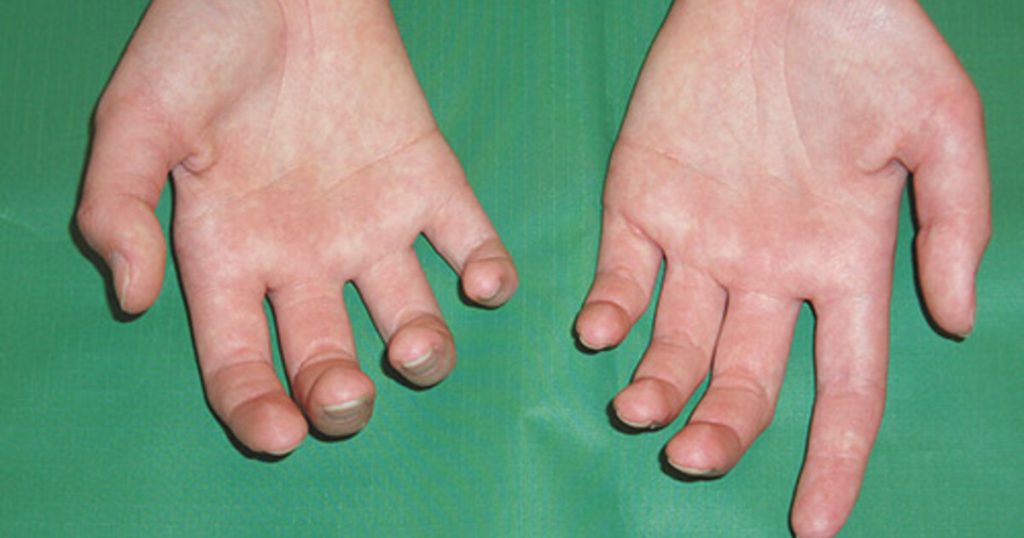
Juvenile Muscular Atrophy of the Distal Upper Limb, also known as Hirayama Disease, is a rare neurological disorder that mainly affects adolescent males. It causes progressive muscle wasting and weakness in the forearms and hands, particularly on one side of the body.
This condition is considered a benign motor neuron disease and often stabilizes after a few years.
What causes it?
The exact cause isn’t fully understood, but it is believed to involve:
- Compression of the lower cervical spinal cord during neck flexion (bending the neck forward)
- Ischemia (lack of blood supply) to the anterior horn cells in the spinal cord
- Possibly a developmental imbalance between the growth of the vertebral column and the spinal cord during adolescence
The condition is not inherited and usually appears without a family history.
What are the signs and symptoms?
Symptoms typically begin between ages 15 and 25, and may include:
- Gradual onset of muscle weakness and wasting in one hand and forearm
- Difficulty with tasks requiring fine motor skills (e.g., writing, buttoning clothes)
- Visible muscle thinning on the affected side
- Muscle twitching (fasciculations)
- Cold sensitivity in the hands
- In some cases, mild neck stiffness or discomfort
The condition usually affects the dominant hand and often stops progressing after 2–5 years.
How is it diagnosed?
Diagnosis involves a combination of:
- Neurological examination to assess muscle strength and reflexes
- MRI of the cervical spine (especially in flexed position) to observe spinal cord changes or compression
- Electromyography (EMG) and nerve conduction studies to confirm nerve involvement
- Exclusion of other conditions like ALS, spinal cord tumors, or cervical myelopathy
How is it treated?
There is no cure, but treatment focuses on managing symptoms and preventing progression:
- Cervical collar to restrict neck flexion and prevent spinal cord compression
- Physical therapy to maintain strength and function
- Occupational therapy for daily activity adaptations
- Avoidance of activities that involve neck flexion, especially for long periods
Surgical options like spinal decompression or fusion may be considered in severe or progressive cases, but they are rarely needed.
What complications can occur?
While Hirayama disease typically has a benign course, potential complications include:
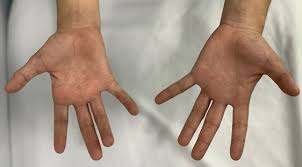
- Permanent weakness in the affected limb
- Reduced hand function
- Emotional impact due to visible deformity or functional limitations
What is the outlook?
The prognosis is generally favorable. The disease usually stabilizes within a few years, and most individuals maintain good quality of life with proper management. Lifespan is not affected.
When should I see a doctor?
Seek medical attention if a teenager or young adult experiences:
- Unexplained hand or forearm weakness
- Visible muscle wasting
- Clumsiness or fine motor difficulties
- Twitching muscles or unusual hand posture
Early diagnosis and neck positioning strategies can help prevent further progression.
