


What is Joubert Syndrome?
Joubert Syndrome is a rare genetic disorder that affects the development of the brain, particularly the part that controls balance and coordination—the cerebellum. The condition is known for causing a distinctive brain malformation visible on MRI, called the “molar tooth sign.”
Joubert Syndrome can affect multiple organ systems, including the eyes, kidneys, liver, and breathing patterns, and symptoms typically begin in infancy or early childhood.
What causes Joubert Syndrome?
Joubert Syndrome is caused by mutations in at least 30 different genes, most of which affect the function of cilia—tiny hair-like structures involved in cell communication and movement. This makes Joubert Syndrome part of a group of disorders known as ciliopathies.
It usually follows an autosomal recessive inheritance pattern, meaning both parents must carry a copy of the defective gene for their child to be affected.
What are the symptoms?
The severity and specific features of Joubert Syndrome can vary, but common signs and symptoms include:
- Developmental delay, especially in motor skills like sitting, crawling, or walking
- Low muscle tone (hypotonia) in infancy, which may later develop into poor coordination (ataxia)
- Abnormal breathing patterns in newborns, including rapid breathing or pauses (apnea)
- Eye movement abnormalities, such as jerky eye movements (nystagmus) or crossed eyes (strabismus)
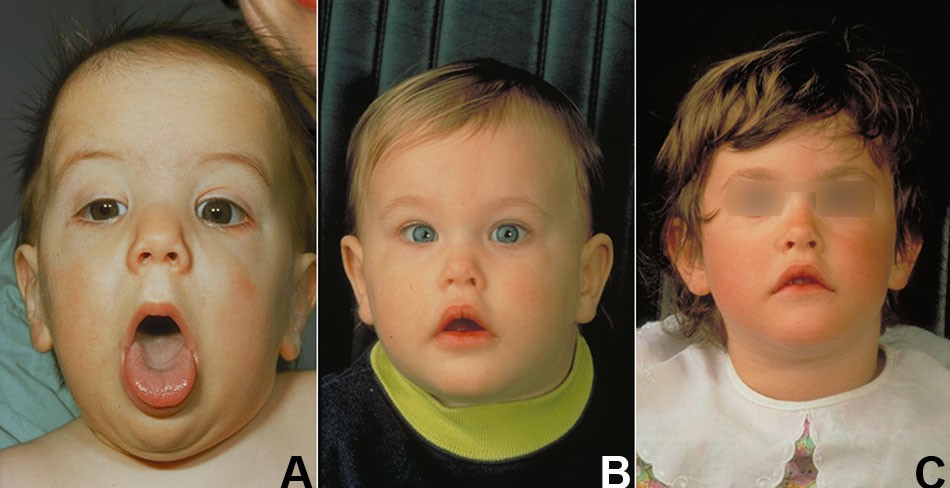
- Facial abnormalities, such as a broad forehead, arched eyebrows, and a prominent nasal bridge
- Intellectual disability or learning difficulties (may vary from mild to severe)
- Kidney or liver problems in some individuals
- Retinal degeneration, which can lead to vision loss
- Seizures in some cases

How is Joubert Syndrome diagnosed?
Diagnosis of Joubert Syndrome involves a combination of imaging, clinical evaluations, and genetic testing:
- MRI of the brain – used to detect the characteristic “molar tooth sign” of the midbrain
- Neurological and developmental assessments
- Ophthalmologic exams to check for vision-related abnormalities
- Kidney and liver function tests, including ultrasound imaging
- Genetic testing to confirm mutations in known Joubert Syndrome genes
Early and accurate diagnosis helps guide treatment and monitoring of potential complications.
How is it treated?
There is no cure for Joubert Syndrome, but supportive care and early intervention can significantly improve quality of life. Treatment is tailored to the specific needs of each individual and may include:
- Physical and occupational therapy to improve motor skills and coordination
- Speech therapy for communication difficulties
- Educational support for learning challenges
- Regular monitoring of kidneys, liver, and eyes
- Treatment of breathing irregularities, if needed, in infancy
- Use of mobility aids if motor difficulties are significant
- Seizure management if present
A multidisciplinary care team, including neurologists, nephrologists, ophthalmologists, and therapists, is often required.
What is the outlook for someone with Joubert Syndrome?
The prognosis for Joubert Syndrome varies depending on the severity of symptoms and the organs involved. While some individuals may have only mild motor delays and live relatively independent lives, others may experience more serious complications, including vision loss, kidney failure, or severe developmental disability.
Early diagnosis, therapy, and supportive care can lead to significant improvement in daily functioning and developmental progress.
Key facts to remember
- A rare genetic brain disorder caused by mutations in cilia-related genes
- Diagnosed by the characteristic “molar tooth sign” on brain MRI
- Affects motor skills, coordination, vision, breathing, and sometimes kidneys/liver
- Managed with therapy, regular monitoring, and supportive interventions
- Outcomes vary, but early care improves quality of life