


What is Jarcho–Levin Syndrome?
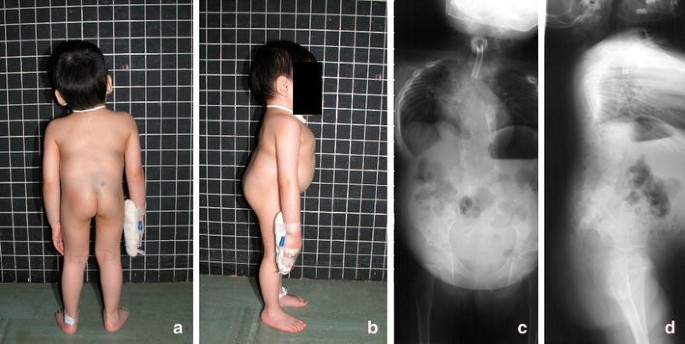
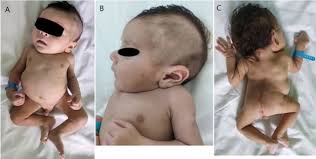
Jarcho–Levin Syndrome is a rare genetic disorder that affects the development of the spine and ribs, leading to a short trunk, short neck, and abnormal curvature of the spine. It is a type of short-trunk dwarfism that can severely affect breathing and physical development due to a small chest cavity. The condition appears at birth or in early infancy and can vary in severity.
What causes Jarcho–Levin Syndrome?
Jarcho–Levin Syndrome is caused by mutations in genes that control how the spine and ribs form during early fetal development. These may include the MESP2, DLL3, LFNG, or HES7 genes. The condition can be inherited in either an autosomal recessive or autosomal dominant manner, depending on the specific gene involved.
The disorder is considered part of a broader group of conditions known as spondylocostal dysostosis.
What are the symptoms?
Symptoms typically appear at birth or shortly after and may include:
- Shortened trunk and neck
- Abnormal curvature of the spine (scoliosis, kyphosis)
- Irregularly shaped or fused vertebrae
- Small chest cavity leading to restricted lung growth
- Respiratory difficulties, especially in infancy
- Short stature with normal limb length
- Abnormal rib alignment, spacing, or fusion
In severe cases, respiratory failure may occur due to the underdeveloped chest, which restricts lung expansion.
How is Jarcho–Levin Syndrome diagnosed?
Diagnosis is based on physical examination and imaging studies:
- X-rays or MRI scans to evaluate spine and rib anomalies
- CT scans to assess chest and lung development
- Genetic testing to identify mutations in related genes
- Prenatal ultrasound may sometimes detect abnormal spine/rib development
Family history can also help determine the inheritance pattern and guide genetic counseling.
How is Jarcho–Levin Syndrome treated?
There is no cure, but treatment focuses on managing symptoms and improving quality of life. Treatment may include:
- Monitoring and managing respiratory function
- Supplemental oxygen or mechanical ventilation in severe cases
- Orthopedic support for spinal deformities
- Use of braces or spinal surgeries (like growing rods) to stabilize the spine
- Physical therapy to maintain mobility and strength
- Surgical interventions for chest wall reconstruction in selected cases
- Regular follow-up with a multidisciplinary care team, including pulmonologists, orthopedic surgeons, and geneticists
What is the outlook for someone with Jarcho–Levin Syndrome?
The prognosis depends on the severity of respiratory complications and the degree of spinal and chest abnormalities. Some individuals may have a relatively normal life expectancy with medical support, while others—particularly those with severe chest restrictions—may have life-threatening complications early in life.
Early intervention, respiratory support, and proper medical care can significantly improve outcomes and help children lead more active lives.
Key facts to remember
- Rare genetic disorder affecting spine and rib development
- Causes a short trunk, scoliosis, and respiratory issues
- Inherited in autosomal dominant or recessive patterns
- Diagnosed through imaging and genetic testing
- Managed with respiratory support and orthopedic care