


What is Japanese Encephalitis?
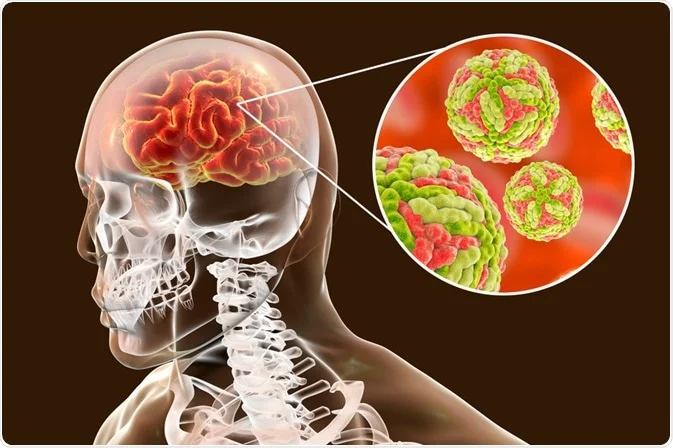
Japanese Encephalitis (JE) is a viral brain infection spread by the bite of infected mosquitoes. It is a serious and potentially fatal disease that primarily affects people in rural and agricultural areas of Asia and the Western Pacific. While most infections are mild or without symptoms, severe cases can lead to brain inflammation (encephalitis), coma, and even death.

What causes Japanese Encephalitis?
Japanese Encephalitis is caused by the Japanese encephalitis virus (JEV), a type of flavivirus. The virus is transmitted to humans through the bite of Culex mosquitoes, especially Culex tritaeniorhynchus, which breed in rice fields and other water sources.
Pigs and water birds serve as amplifying hosts of the virus. Humans are considered dead-end hosts, meaning they don’t spread the virus once infected.
Where is Japanese Encephalitis found?
JE is found in many parts of Asia and the Western Pacific, including:
- China
- India
- Nepal
- Thailand
- Vietnam
- Indonesia
- The Philippines
- Papua New Guinea
- Parts of northern Australia
Outbreaks are more common during monsoon and post-monsoon seasons, especially in rural areas with rice farming and pig-rearing.
What are the symptoms?
Most people infected with Japanese Encephalitis do not show symptoms. When symptoms do occur, they usually appear 5 to 15 days after the mosquito bite and may include:
Mild symptoms (in early stages):
- Fever
- Headache
- Fatigue
- Vomiting
Severe symptoms (in advanced stages):
- High fever
- Neck stiffness
- Confusion or altered consciousness
- Seizures
- Involuntary muscle movements
- Paralysis or coma
In severe cases, brain swelling can lead to permanent neurological damage or death.
How is Japanese Encephalitis diagnosed?
Diagnosis involves a combination of:
- Clinical evaluation of symptoms
- Blood or cerebrospinal fluid (CSF) tests to detect JEV-specific antibodies
- Polymerase chain reaction (PCR) testing to identify the virus
- MRI or CT scans in severe cases to evaluate brain inflammation
How is Japanese Encephalitis treated?
There is no specific antiviral treatment for Japanese Encephalitis. Management focuses on supportive care, such as:
- Hospitalization for close monitoring
- Fluids and electrolyte management
- Oxygen support or ventilation if breathing is affected
- Seizure control medications
- Anti-inflammatory drugs to reduce brain swelling
Early supportive care can improve outcomes, but many survivors may experience long-term neurological complications.
Can Japanese Encephalitis be prevented?
Yes, prevention is key, especially in high-risk areas. Measures include:
- Vaccination is the most effective way to prevent JE
- Available vaccines include inactivated and live attenuated versions
- Recommended for travelers to endemic regions and residents of high-risk areas
- Mosquito control efforts such as insecticide spraying and breeding site reduction
- Personal protection, including:
- Wearing long-sleeved clothing
- Using insect repellents
- Sleeping under mosquito nets, especially in rural or open housing
What is the outlook for someone with Japanese Encephalitis?
The prognosis varies depending on the severity of the infection. While many recover fully, 1 in 4 severe cases can be fatal, and 30% to 50% of survivors may suffer from long-term complications such as:
- Cognitive impairment
- Movement disorders
- Speech or behavioral problems
- Seizure disorders
Early diagnosis, hospitalization, and supportive care can improve survival and reduce the risk of permanent damage.
Key facts to remember
- Viral brain infection transmitted by mosquito bites
- Common in parts of Asia and the Western Pacific
- Caused by Japanese encephalitis virus (JEV)
- Severe cases can cause encephalitis, coma, or death
- No specific treatment, but vaccination can prevent it
