What is Jacobsen Syndrome?
Jacobsen Syndrome is a rare genetic condition that affects multiple parts of the body. It is caused by a deletion on the long arm of chromosome 11. This syndrome is also known as 11q deletion disorder. People with Jacobsen Syndrome often have developmental delays, learning difficulties, distinctive facial features, and problems with blood clotting and the heart.
What causes Jacobsen Syndrome?
Jacobsen Syndrome is caused by a deletion of genetic material on chromosome 11 (specifically the 11q terminal deletion). This deletion affects several genes that are important for normal development. In most cases, the deletion is not inherited but happens as a random event during the formation of reproductive cells or early in development. However, in rare cases, it can be passed from a parent with a balanced chromosomal rearrangement.
What are the symptoms?
Symptoms of Jacobsen Syndrome can vary depending on how much genetic material is missing. Common features include:
- Intellectual disability or developmental delay
- Speech and motor delays
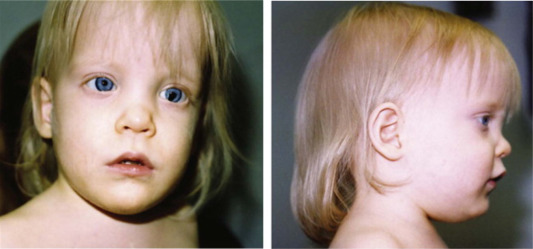
- Distinct facial features such as a broad nasal bridge, thin upper lip, small lower jaw, and widely spaced eyes
- Bleeding disorders due to platelet dysfunction (Paris-Trousseau syndrome)
- Congenital heart defects
- Feeding difficulties during infancy
- Behavioral issues, such as attention-deficit/hyperactivity disorder (ADHD) or autism-like behaviors
- Small head size (microcephaly)
- Growth delays
- Hearing and vision problems
- Genitourinary abnormalities (especially in males)

How is Jacobsen Syndrome diagnosed?
Diagnosis typically involves:
- Clinical evaluation of physical features and developmental delays
- Chromosomal analysis through a karyotype test or chromosomal microarray to detect the deletion on chromosome 11
- Genetic counseling for affected families
- Additional tests like echocardiograms, blood clotting studies, and hearing/vision assessments
How is it treated?
There is no cure for Jacobsen Syndrome, so treatment focuses on managing symptoms and providing supportive care. This may include:
- Special education and early intervention for developmental support
- Speech, physical, and occupational therapies
- Treatment for bleeding problems with platelet monitoring and precautions during surgery
- Surgical repair for heart defects
- Management of behavioral or psychiatric concerns with therapy or medication if needed
- Routine monitoring by a team of specialists including cardiologists, hematologists, and developmental pediatricians
What is the outlook for someone with Jacobsen Syndrome?
The outlook varies depending on the severity of the symptoms. Some individuals can live into adulthood with proper medical care and supportive therapies. However, serious complications such as heart defects or bleeding issues can affect life expectancy in severe cases. Ongoing support and regular medical monitoring can significantly improve quality of life.
Key facts to remember
- Rare genetic condition caused by deletion on chromosome 11
- Affects intellectual development, facial features, blood clotting, and the heart
- Usually not inherited, but genetic counseling is advised
- No cure, but treatments and therapies can manage symptoms
- Multidisciplinary care is essential for long-term support