What Is Intraocular Pressure Increase?
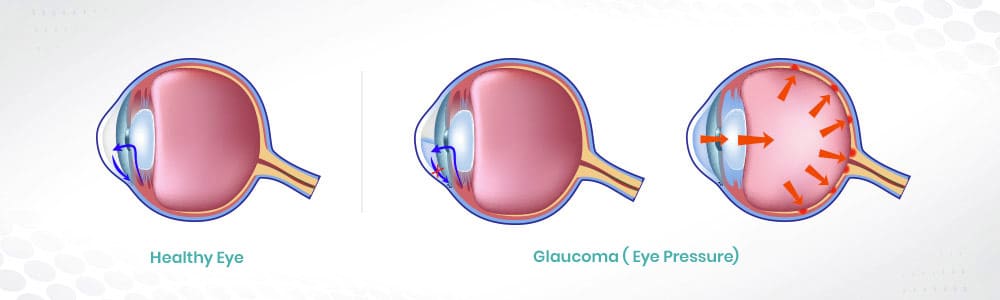
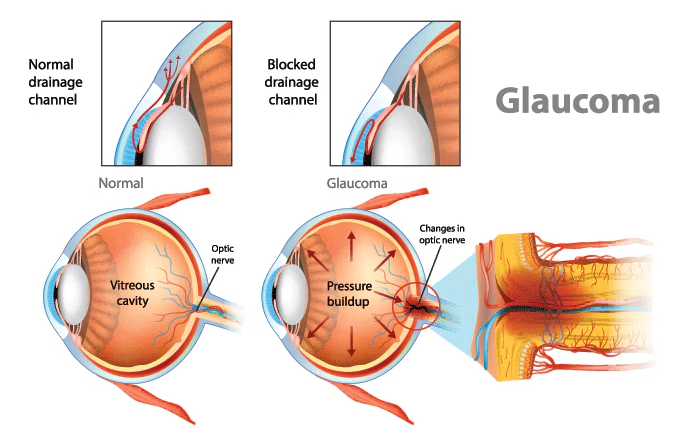
Intraocular Pressure (IOP) Increase refers to a rise in the pressure inside the eye. It happens when there’s an imbalance between the production and drainage of the aqueous humor (the clear fluid inside the eye). Persistently high IOP can damage the optic nerve, potentially leading to glaucoma and vision loss if not treated.
What Causes Intraocular Pressure Increase?
Increased eye pressure occurs when the eye produces too much fluid or when the drainage system becomes blocked or inefficient.
Common causes include:
- Primary open-angle glaucoma – most common cause of chronically increased IOP
- Eye trauma or injury
- Certain medications – especially corticosteroids
- Eye surgeries or infections
- Blocked drainage canals (trabecular meshwork issues)
- Pigment dispersion or pseudoexfoliation syndromes
What Are the Risk Factors for Intraocular Pressure Increase?
- Age over 40
- Family history of glaucoma
- African, Asian, or Hispanic ancestry
- Diabetes
- High blood pressure
- Severe nearsightedness (myopia)
- Prolonged steroid use
What Are the Symptoms of Intraocular Pressure Increase?
In many cases, especially with gradual onset, there are no noticeable symptoms until significant damage has occurred.
However, possible signs include:
- Eye pain or discomfort
- Headaches
- Blurred vision
- Halos around lights
- Nausea or vomiting (with acute angle-closure glaucoma)
- Red eyes
How Is Intraocular Pressure Increase Diagnosed?
A thorough eye examination is necessary and may include:
- Tonometry – measures intraocular pressure
- Ophthalmoscopy – checks the optic nerve
- Visual field testing – assesses peripheral vision
- Gonioscopy – evaluates the drainage angle
- Pachymetry – measures corneal thickness
How Is Intraocular Pressure Increase Treated?
Treatment depends on the severity and underlying cause. The goal is to reduce IOP and protect the optic nerve.
Options include:
- Eye drops – to decrease fluid production or increase outflow
- Oral medications – like carbonic anhydrase inhibitors
- Laser therapy – such as trabeculoplasty or iridotomy
- Surgical procedures – trabeculectomy, shunt implantation, or minimally invasive glaucoma surgery (MIGS)
- Lifestyle adjustments – including regular eye checkups and managing systemic health
What Is the Prognosis for Intraocular Pressure Increase?
- When caught early and managed effectively, vision can often be preserved.
- Delayed treatment or uncontrolled IOP can lead to irreversible optic nerve damage and permanent vision loss.
- Lifelong monitoring is typically required, especially in glaucoma patients.
Can Intraocular Pressure Increase Be Prevented?
While it may not always be preventable, you can reduce the risk by:
- Regular eye exams, especially if you’re at risk
- Avoiding unnecessary steroid use
- Protecting eyes from injury
- Managing systemic conditions like diabetes and hypertension