


What Is a Spine Injury?
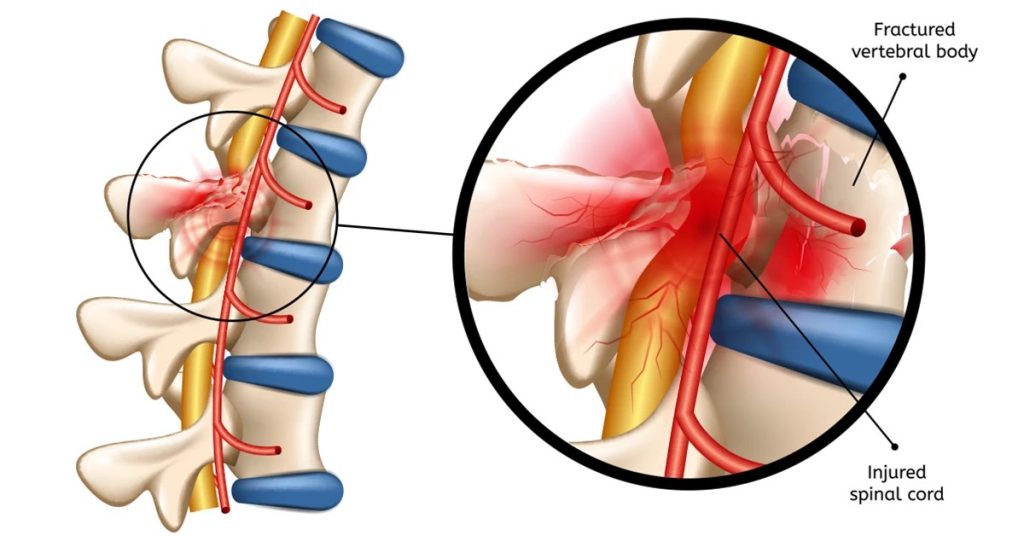
A spine injury refers to any damage to the spinal column or spinal cord, which may involve the bones (vertebrae), discs, ligaments, nerves, or the spinal cord itself. These injuries can range from mild back sprains to severe spinal cord damage that leads to paralysis or permanent disability. Spine injuries require prompt evaluation and care.

What Causes Spine Injuries?
Spine injuries usually result from trauma or long-term stress on the back. Common causes include:
- Motor vehicle accidents
- Falls from height or slipping
- Sports injuries (especially in contact sports or gymnastics)
- Violent acts such as gunshot or stab wounds
- Industrial or workplace accidents
- Heavy lifting or repetitive strain
- Degenerative conditions like osteoporosis or arthritis
What Are the Types of Spine Injuries?
Spine injuries may involve the spinal cord, vertebrae, or surrounding tissues. Common types include:
- Spinal fractures – Broken vertebrae
- Spinal cord injury (SCI) – Damage to the spinal cord that may affect nerve function
- Disc herniation – A slipped or ruptured disc pressing on nerves
- Spinal sprains and strains – Overstretched ligaments or muscles
- Dislocations – Misalignment of vertebrae
- Compression injuries – Often from falls or osteoporosis
- Whiplash – Neck injury from rapid back-and-forth motion
What Are the Symptoms of a Spine Injury?
Symptoms vary based on location and severity. They may include:
- Neck or back pain
- Numbness or tingling in arms, legs, or torso
- Muscle weakness or paralysis
- Loss of bladder or bowel control
- Decreased reflexes
- Impaired coordination
- Breathing difficulties (in cervical spine injuries)
- Visible deformity or swelling around the spine
- Limited movement or stiffness
If the spinal cord is affected, symptoms can be life-changing and permanent without immediate care.
How Is a Spine Injury Diagnosed?
Diagnosis usually involves:
- Physical and neurological examination – To assess muscle strength, reflexes, and sensation
- Imaging tests, such as:
- X-rays – To detect fractures or dislocations
- CT scans – For detailed bone structure imaging
- MRI scans – Best for evaluating the spinal cord, discs, and soft tissue
- Myelography – Specialized imaging to assess spinal cord compression
- Electrodiagnostic tests – To measure nerve function in some cases
A thorough evaluation by a neurologist or spine specialist is often required.
How Are Spine Injuries Treated?
Treatment depends on the severity and type of injury:
- Mild injuries (strains/sprains):
- Rest, physical therapy, pain relief
- Bracing or posture correction
- Moderate injuries (herniated disc, stable fractures):
- Medications (NSAIDs, muscle relaxants)
- Physical therapy or epidural steroid injections
- Severe injuries (spinal cord injury, unstable fractures):
- Emergency stabilization with a brace or spinal board
- Surgical intervention to repair or stabilize the spine
- Rehabilitation to regain function and independence
- Assistive devices like wheelchairs, braces, or mobility aids
In spinal cord injuries, early intervention within hours of trauma may significantly affect long-term outcomes.
Can Spine Injuries Be Prevented?
While not all injuries can be avoided, many are preventable with proper precautions:
- Wear seatbelts and use proper car safety measures
- Use helmets and protective gear in sports and biking
- Practice safe lifting techniques and avoid twisting while lifting
- Install handrails, grab bars, and use nonslip mats to prevent falls
- Exercise regularly to maintain muscle strength and bone health
- Manage osteoporosis and chronic conditions early
- Ensure workplace safety with proper ergonomics and equipment
What Are the Possible Complications?
If not treated properly, spine injuries can lead to:
- Chronic pain or stiffness
- Nerve damage or sensory loss
- Paralysis (partial or complete)
- Loss of bowel or bladder function
- Infections or pressure sores (in immobilized patients)
- Depression or mental health challenges
- Respiratory problems (especially in cervical spine injuries)
Long-term complications are more common in severe or delayed cases.
When Should You Seek Medical Help?
Seek immediate medical attention if you experience:
- Back or neck trauma from an accident or fall
- Numbness, tingling, or weakness
- Loss of movement or coordination
- Incontinence or difficulty urinating
- Severe, unexplained back or neck pain
- Abnormal posture or visible deformity of the spine
Avoid moving a person with a suspected spinal injury unless absolutely necessary, as movement may worsen the damage.
What’s the Outlook for Spine Injuries?
The outlook depends on:
- Type and severity of the injury
- How quickly treatment is started
- Level of spinal cord involvement
- Access to rehabilitation and support
Many minor spine injuries heal with rest and therapy, while severe injuries may lead to long-term disability. With proper care, assistive devices, and support, people with spinal injuries can still lead productive and meaningful lives.