What is Inhalation Toxicity?
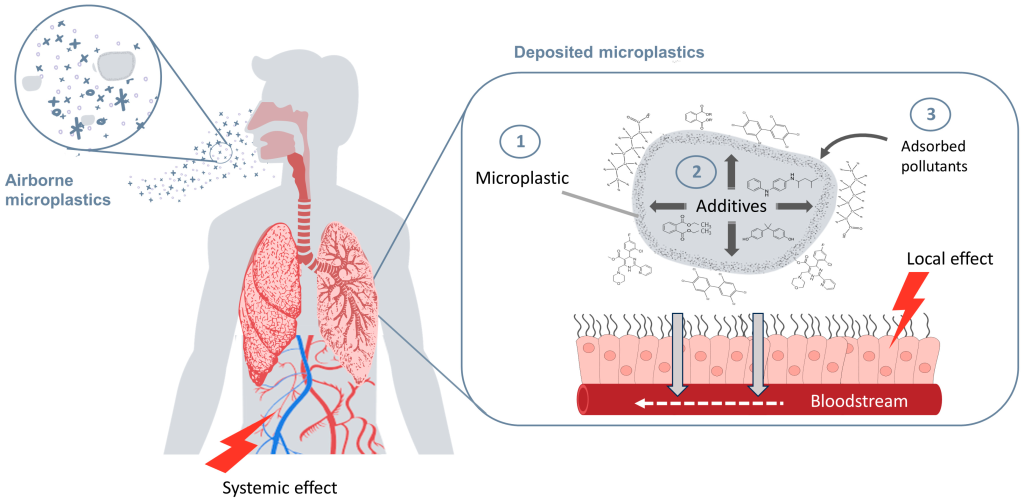
Inhalation toxicity refers to the harmful effects that occur when toxic substances are breathed into the lungs. These substances may be in the form of gases, vapors, dust, fumes, or aerosols. Once inhaled, these toxins can irritate the respiratory tract, damage lung tissue, and even enter the bloodstream, potentially affecting other organs.
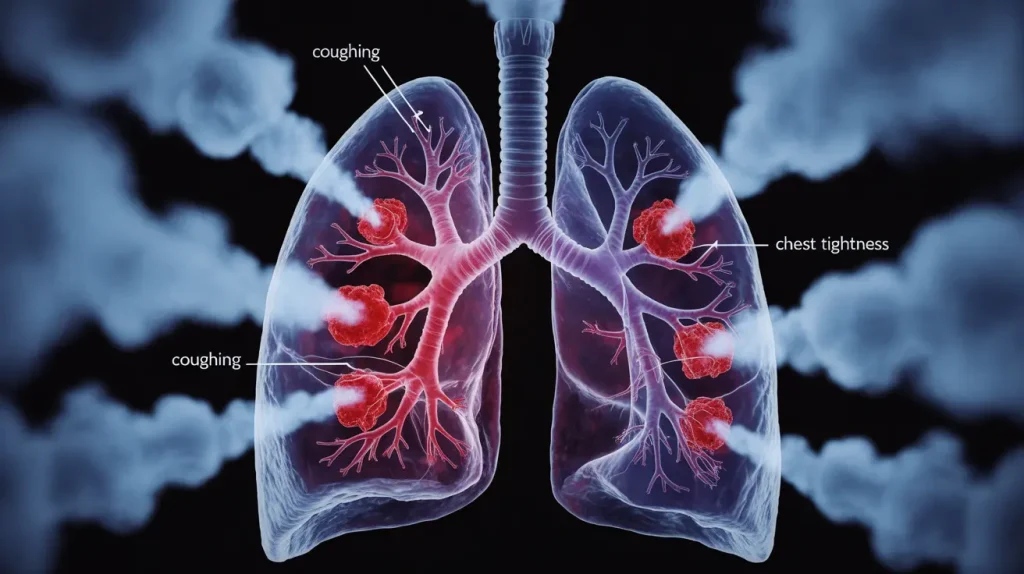
What Causes Inhalation Toxicity?
Exposure to toxic substances through inhalation can happen in a variety of settings:
- Industrial or occupational environments: Workers may be exposed to chemicals, solvents, smoke, or dust.
- Household products: Cleaning agents, aerosol sprays, or fumes from heated plastics can be harmful.
- Environmental pollution: Airborne pollutants from traffic, factories, or wildfires can cause toxic exposure.
- Accidental exposure: Spills, leaks, or fires may release dangerous substances into the air.
What Are Common Toxic Substances That Can Be Inhaled?
Some examples of harmful substances that may cause inhalation toxicity include:
- Carbon monoxide
- Chlorine gas
- Ammonia
- Hydrogen sulfide
- Volatile organic compounds (VOCs)
- Asbestos fibers
- Silica dust
- Tobacco smoke
- Formaldehyde
What Are the Symptoms of Inhalation Toxicity?
Symptoms can vary based on the type and amount of toxin inhaled, as well as the duration of exposure. They may include:
- Coughing
- Wheezing
- Shortness of breath
- Chest tightness or pain
- Throat and nasal irritation
- Headache
- Dizziness or confusion
- Nausea
- Fatigue
- In severe cases: respiratory failure, unconsciousness, or death
How is Inhalation Toxicity Diagnosed?
Diagnosis usually involves:
- Medical history and symptom review
- Physical examination
- Pulmonary function tests (PFTs)
- Chest X-rays or CT scans
- Blood tests to check oxygen levels or detect specific toxins
- Toxicology screening, especially in emergency situations
How is Inhalation Toxicity Treated?
Treatment depends on the severity and type of toxin involved:
- Immediate removal from the source of exposure
- Oxygen therapy to assist breathing
- Bronchodilators or corticosteroids to reduce airway inflammation
- Antidotes if a specific toxin has one (e.g., for carbon monoxide)
- Hospitalization in severe cases, including possible use of ventilators
How Can Inhalation Toxicity Be Prevented?
Preventing inhalation toxicity involves reducing exposure risks:
- Use personal protective equipment (PPE) such as masks or respirators in risky environments
- Ensure proper ventilation when using chemicals
- Follow safety protocols at work and home
- Avoid smoking and limit exposure to secondhand smoke
- Install carbon monoxide detectors in homes and workplaces
- Educate workers and the public about potential risks and emergency responses
What Are the Possible Complications of Inhalation Toxicity?
If not treated promptly, inhalation toxicity can lead to:
- Chronic lung diseases like asthma or COPD
- Scarring of lung tissue (pulmonary fibrosis)
- Brain damage due to low oxygen levels
- Multi-organ failure
- Death in extreme cases
When Should You Seek Medical Help?
Seek immediate medical attention if someone experiences:
- Sudden breathing difficulties
- Persistent cough or wheezing after exposure
- Confusion, unconsciousness, or chest pain
- Any symptoms following inhalation of smoke, fumes, or chemicals
What’s the Bottom Line?
Inhalation toxicity can be a serious health risk, especially in occupational or polluted environments. Recognizing the signs early and seeking medical care can prevent long-term damage. Prevention through safety measures and awareness is key to reducing the risk of exposure.