


What Is Infectious Hepatitis?
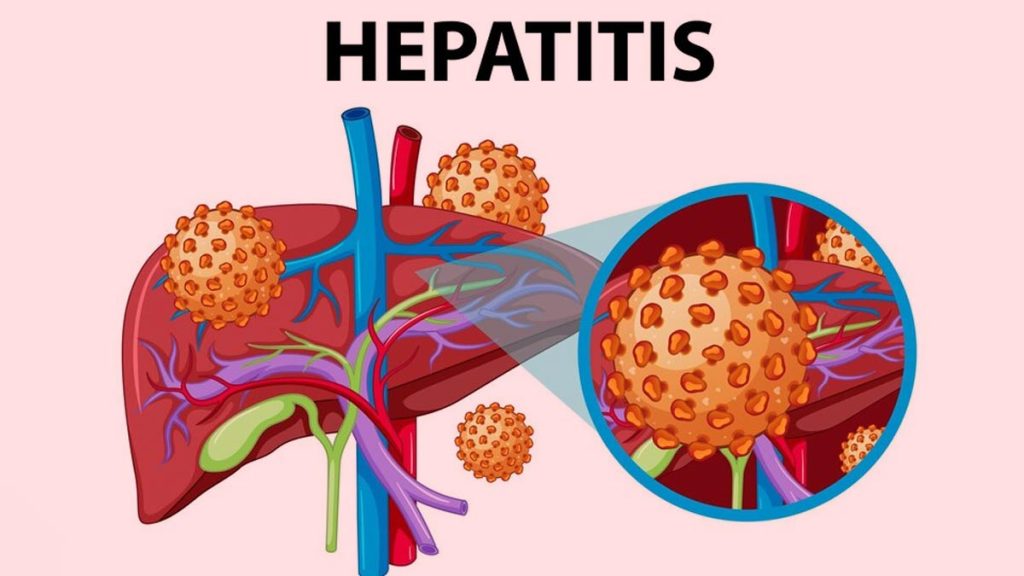
Infectious hepatitis refers to inflammation of the liver caused by a viral infection. The liver becomes inflamed and may not function properly. The most common viruses that cause infectious hepatitis are Hepatitis A, B, C, D, and E, each with its own method of transmission and severity.
This condition can range from a short-term illness (acute hepatitis) to a long-lasting, serious condition (chronic hepatitis).
What Causes Infectious Hepatitis?
Infectious hepatitis is caused by hepatitis viruses, which infect the liver. The five main types include:
- Hepatitis A (HAV) – spread through contaminated food or water
- Hepatitis B (HBV) – spread through blood, sexual contact, or from mother to baby
- Hepatitis C (HCV) – primarily spread through blood contact
- Hepatitis D (HDV) – occurs only in people with hepatitis B
- Hepatitis E (HEV) – spread through contaminated water (common in developing countries)
These viruses damage liver cells and trigger an immune response that leads to liver inflammation.
What Are the Symptoms of Infectious Hepatitis?
Symptoms may vary by type of hepatitis and can range from mild to severe. Common signs include:
- Fatigue
- Fever
- Loss of appetite
- Nausea and vomiting
- Abdominal pain (especially upper right side)
- Dark urine
- Pale-colored stool
- Yellowing of the skin and eyes (jaundice)
- Joint pain
Some people, especially with hepatitis B or C, may have no symptoms until the liver is significantly damaged.
How Is Infectious Hepatitis Transmitted?
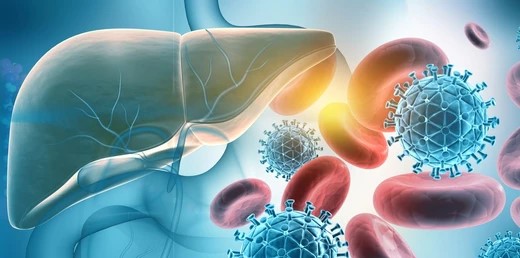
Transmission methods depend on the type:
- Hepatitis A and E: Fecal-oral route (contaminated food or water)
- Hepatitis B, C, and D: Bloodborne (needles, sexual contact, transfusions, childbirth)
Hepatitis B and C are most commonly associated with chronic liver disease, cirrhosis, and liver cancer.
Who Is at Risk?
You may be at higher risk if you:
- Consume contaminated food or water (especially when traveling)
- Share needles or use injectable drugs
- Have unprotected sex
- Receive blood transfusions (especially before 1992)
- Work in healthcare or with bodily fluids
- Live in areas with poor sanitation
How Is Infectious Hepatitis Diagnosed?
Doctors diagnose infectious hepatitis with:
- Blood tests – to detect viral markers, liver enzymes, and liver function
- Liver ultrasound – to check for inflammation or damage
- Liver biopsy – in some cases, to assess the extent of liver damage
Blood tests are usually enough to determine the type and severity of hepatitis.
How Is Infectious Hepatitis Treated?
Hepatitis A and E:
- No specific antiviral treatment
- Supportive care (rest, fluids, healthy diet)
- Most people recover completely
Hepatitis B:
- Antiviral medications for chronic cases
- Regular monitoring of liver function
Hepatitis C:
- Antiviral therapy (DAAs) can cure most cases
- Early treatment prevents long-term complications
Hepatitis D:
- Treated by managing hepatitis B
- Antiviral medications may be used in some cases
Hospitalization may be required for severe or complicated infections.
Can Infectious Hepatitis Be Prevented?
Yes! Prevention strategies depend on the type:
- Vaccines – available for hepatitis A and B
- Safe food and water – especially while traveling
- Handwashing – especially after using the bathroom or before eating
- Safe sex practices
- Avoid sharing needles or personal items like razors
- Screening blood donors and medical equipment
Travelers should check if vaccination is needed before visiting certain countries.
What Are the Possible Complications?
If left untreated or if the infection becomes chronic, infectious hepatitis can lead to:
- Liver cirrhosis (scarring)
- Liver failure
- Liver cancer
- Chronic liver disease
- Co-infections (e.g., HBV + HDV)
Early diagnosis and treatment greatly reduce the risk of complications.
When Should You See a Doctor?
Seek medical advice if you experience:
- Jaundice (yellow skin or eyes)
- Dark urine or pale stools
- Ongoing nausea, fatigue, or abdominal pain
- Recent exposure to someone with hepatitis
- Risk factors like unprotected sex or IV drug use
Prompt testing and treatment can make a big difference in outcomes.
