


What Is Infectious Conjunctivitis?
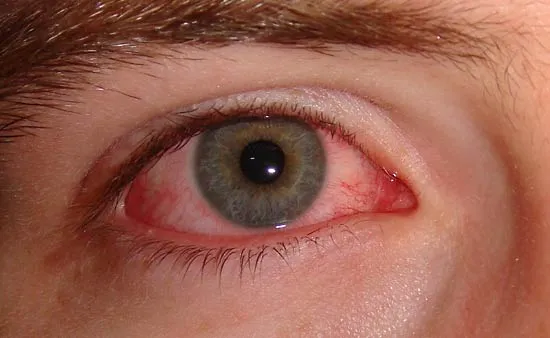
Infectious conjunctivitis, commonly known as pink eye, is an inflammation of the conjunctiva — the clear tissue covering the white part of the eye and the inner surface of the eyelids — caused by bacteria or viruses. This condition is highly contagious and spreads easily, especially in places like schools, daycares, or households.
What Causes Infectious Conjunctivitis?
Infectious conjunctivitis is typically caused by:
- Viruses (most common): Often linked to colds or upper respiratory infections.
- Example: Adenovirus
- Bacteria: Can cause more severe symptoms and may require antibiotic treatment.
- Examples: Staphylococcus aureus, Streptococcus pneumoniae, Haemophilus influenzae
It can also result from poor hygiene, touching the eyes with dirty hands, or sharing personal items like towels or makeup.
What Are the Symptoms of Infectious Conjunctivitis?
Symptoms may affect one or both eyes and can include:
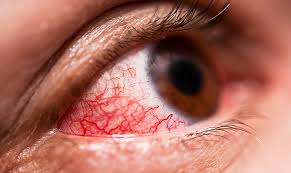
- Redness in the white of the eye
- Watery or pus-like discharge
- Itchy or burning eyes
- Gritty feeling, like sand in the eye
- Crusting of the eyelashes, especially after sleep
- Swelling of the eyelids
- Light sensitivity
- Tearing
Viral conjunctivitis usually produces watery discharge, while bacterial conjunctivitis often causes thicker, yellow-green discharge.
How Does It Spread?
Infectious conjunctivitis spreads through:
- Direct contact with infected secretions (hands, tissues, eye makeup)
- Touching contaminated surfaces
- Sharing personal items (towels, eye drops)
- Coughing or sneezing (in viral forms)
It’s especially contagious while symptoms are present.
Who Is at Risk?
People at higher risk include:
- Children in schools or daycare
- Healthcare and daycare workers
- Those with upper respiratory infections
- People who wear contact lenses
- Anyone with poor hand hygiene
How Is Infectious Conjunctivitis Diagnosed?
Doctors typically diagnose it through:
- Visual examination of the eyes
- Patient history (symptoms, recent illnesses, exposure)
- In some cases, swabbing the eye for lab analysis to determine the specific cause
Usually, lab tests aren’t needed unless the infection is severe or not improving.
How Is Infectious Conjunctivitis Treated?
Viral Conjunctivitis:
- No specific treatment – it usually clears on its own within 7–14 days
- Use cool compresses and artificial tears to relieve symptoms
- Practice strict hygiene to prevent spreading
Bacterial Conjunctivitis:
- Treated with antibiotic eye drops or ointments
- Symptoms often improve within a few days of starting treatment
Avoid using contact lenses or eye makeup until the infection is fully resolved.
Can Infectious Conjunctivitis Be Prevented?
Yes! You can reduce the risk of getting or spreading it by:
- Washing hands frequently with soap and water
- Avoiding touching your eyes
- Not sharing personal items (towels, cosmetics, pillows)
- Disinfecting surfaces like doorknobs and light switches
- Avoiding close contact with infected individuals
- Replacing eye makeup and contact lenses used during infection
When Should You See a Doctor?
Seek medical attention if you have:
- Eye pain
- Blurry vision
- Intense redness
- Sensitivity to light
- Symptoms lasting more than a week
- Thick discharge not improving with over-the-counter remedies
Infants, those with weak immune systems, or contact lens users should always consult a doctor at the first sign of symptoms.