


What Is Infant Dehydration?
Infant dehydration occurs when a baby loses more fluids than they take in, leading to a lack of water and essential electrolytes in the body. It can happen quickly in babies due to their small body size and high fluid needs. Dehydration can become serious if not recognized and treated promptly.
What Causes Dehydration in Infants?
Common causes of dehydration in babies include:
- Diarrhea
- Vomiting
- Fever
- Excessive sweating
- Inadequate feeding (breast milk or formula)
- Hot weather
- Medical conditions affecting fluid absorption or loss
Premature or sick infants may be especially vulnerable.
What Are the Signs and Symptoms of Infant Dehydration?
Signs can range from mild to severe and may include:
- Fewer wet diapers than usual (less than 6 per day in newborns)
- Dry mouth and lips
- Sunken soft spot (fontanelle) on the top of the head
- Sunken eyes
- No tears when crying
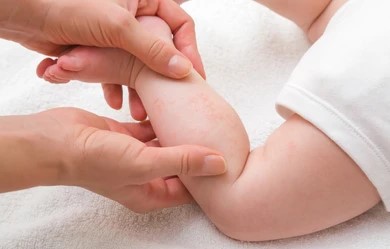
- Cool or mottled hands and feet
- Irritability or unusual sleepiness
- Dark yellow or concentrated urine
- Rapid breathing or heart rate
In severe cases, dehydration can lead to shock or organ failure, making urgent medical attention necessary.
How Is Infant Dehydration Diagnosed?
A healthcare provider will assess dehydration based on:
- Physical examination
- Feeding history
- Diaper output
- Signs of fluid loss
In some cases, blood or urine tests may be ordered to check for electrolyte imbalances or the cause of dehydration.
How Is Infant Dehydration Treated?
1. Mild Dehydration
- Increase breastfeeding or bottle feeding frequency
- Offer oral rehydration solutions (ORS) recommended by a doctor
- Avoid plain water in infants under 6 months unless advised
2. Moderate to Severe Dehydration
- May require intravenous (IV) fluids in a hospital setting
- Monitoring of electrolytes and vital signs
- Treatment of the underlying cause (e.g., infection, fever, diarrhea)
Never give sports drinks, soda, or juice to treat dehydration in babies.
How Can Infant Dehydration Be Prevented?
Prevention is key and includes:
- Feeding regularly and on demand
- Watching for signs of illness, especially vomiting or diarrhea
- Keeping the baby cool and hydrated in hot weather
- Continuing feeding even when the baby is mildly sick
- Using electrolyte solutions only when directed by a pediatrician
If your baby is sick or not feeding well, contact a healthcare provider early to prevent worsening dehydration.
When Should You Seek Medical Help?
Call your doctor or go to the emergency room if your baby:
- Has not urinated in 8 hours or more
- Is very sleepy or unresponsive
- Has a sunken fontanelle or sunken eyes
- Is vomiting and unable to keep fluids down
- Is showing signs of rapid breathing or cold skin
Quick action can prevent complications and save lives.
What Is the Outlook for Infants With Dehydration?
With prompt treatment, most babies recover quickly from dehydration. However, severe or untreated cases can lead to serious health risks, including organ damage or even death. Early recognition and rehydration are critical.