


What Is Impedance Mismatch in Hearing?
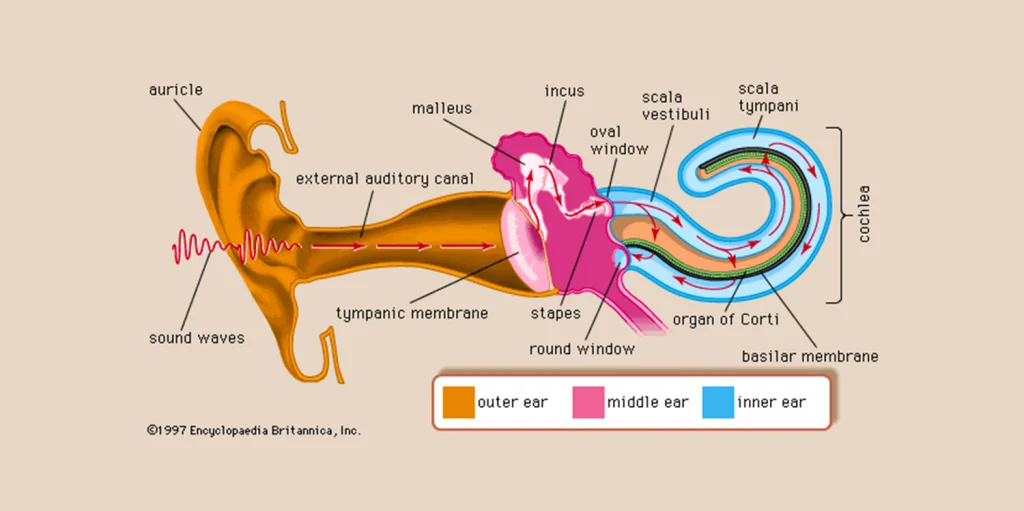
Impedance mismatch in hearing refers to a problem in the transfer of sound energy from the air-filled outer ear to the fluid-filled inner ear. This mismatch causes a significant loss of sound energy, making hearing less efficient.
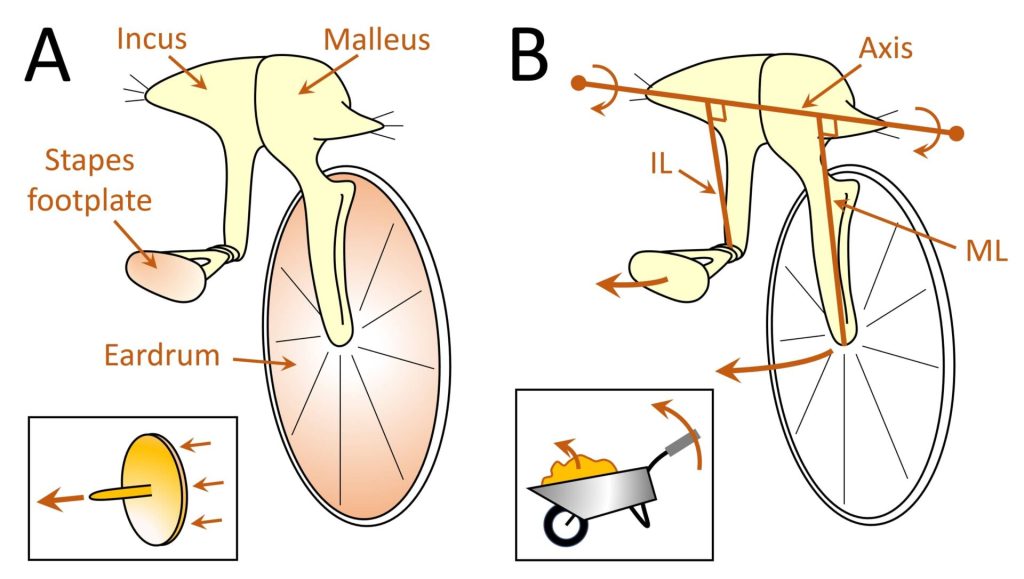
Normally, the middle ear (ossicles) helps match the difference in impedance between air and fluid. When this process is disrupted, sound waves do not pass effectively, leading to hearing difficulties.
Why Does Impedance Mismatch Occur?
The mismatch happens because air and fluid have very different acoustic impedances:
- Air (outer and middle ear): Low impedance
- Fluid (inner ear or cochlea): High impedance
When sound moves directly from air to fluid, most of it gets reflected instead of transmitted. The body overcomes this naturally with the help of:
- The tympanic membrane (eardrum)
- The ossicles (tiny bones: malleus, incus, stapes)
These structures work like an amplifier, converting air pressure waves into mechanical energy that can enter the cochlear fluid.
What Happens When There Is a Mismatch?
If this natural matching process fails or is weakened:
- Sound energy is lost
- Hearing becomes less sensitive, especially for soft sounds
- The person may experience conductive hearing loss
This can be due to damage, deformities, or dysfunction in the middle ear structures.
What Can Cause Impedance Mismatch in Hearing?
Several conditions or factors can cause this mismatch, including:
- Otosclerosis (abnormal bone growth affecting ossicles)
- Chronic otitis media (long-term middle ear infections)
- Ossicular chain discontinuity (broken or dislocated bones)
- Eustachian tube dysfunction (affects pressure equalization)
- Fluid buildup in the middle ear (from infections or allergies)
- Tympanic membrane perforation (eardrum damage)
What Are the Symptoms of Hearing Impedance Mismatch?
Symptoms may vary based on the underlying cause, but common signs include:
- Reduced hearing, especially for low-frequency sounds
- Feeling like the ears are plugged or full
- Muffled or distorted sounds
- Difficulty hearing conversations, especially in noisy environments
- Tinnitus (ringing in the ears)
- Sometimes ear pain or pressure
How Is Impedance Mismatch Diagnosed?
A healthcare provider or audiologist may use the following tools:
- Audiometry tests to check hearing sensitivity and identify conductive loss
- Tympanometry to assess eardrum movement and middle ear pressure
- Otoscopy to visually inspect the ear canal and eardrum
- Impedance audiometry to directly measure acoustic impedance
- CT scan or MRI, in rare cases, to detect structural abnormalities
How Is It Treated?
Treatment depends on the root cause of the mismatch. Options may include:
1. Medical Treatment
- Antibiotics for infections (otitis media)
- Decongestants or antihistamines for allergy-related fluid buildup
- Ear drops to relieve inflammation or clear fluid
2. Surgical Options
- Myringotomy (placing a small tube in the eardrum to drain fluid)
- Ossiculoplasty (repair or replacement of ossicles)
- Stapedectomy (removal and replacement of the stapes bone in otosclerosis)
- Tympanoplasty (repairing the eardrum)
3. Hearing Aids
- Bone conduction hearing aids
- Conventional air conduction aids can help overcome some sound transmission loss
4. Monitoring
- In mild cases or during temporary fluid buildup, monitoring the condition may be advised
Can It Be Prevented?
While not all cases are preventable, you can reduce the risk by:
- Treating ear infections promptly
- Avoiding loud noise exposure
- Protecting ears during activities that might injure the eardrum
- Regular hearing checks, especially if you have a history of ear problems
- Managing allergies and sinus conditions to avoid middle ear fluid buildup
What Is the Outlook for People With Hearing Impedance Mismatch?
The outlook depends on the underlying cause:
- If treated early, hearing can often be restored or significantly improved
- Chronic or untreated issues may lead to long-term hearing loss
- Surgical and non-surgical treatments have high success rates in restoring hearing function
- Ongoing hearing care and follow-up are important to prevent complications
When Should You See a Doctor?
See a healthcare provider or audiologist if you:
- Notice persistent or worsening hearing loss
- Experience ear pain, pressure, or fullness
- Hear muffled or distorted sounds
- Have a history of frequent ear infections
- Experience ringing in the ears or dizziness
Early evaluation helps prevent long-term issues and ensures appropriate treatment.