


What is Hypotrichosis?
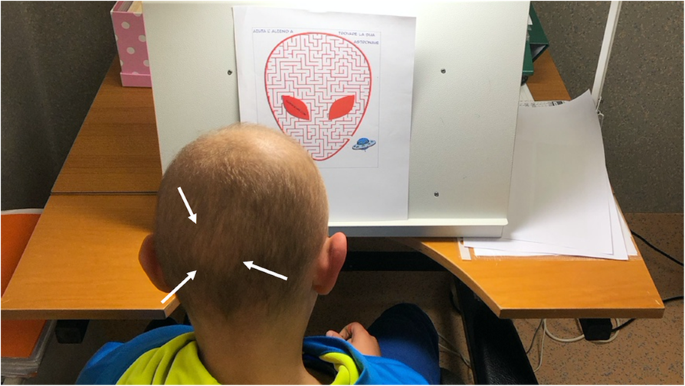
Hypotrichosis is a medical condition characterized by abnormal hair loss or reduced hair growth. Unlike common hair thinning associated with aging or stress, hypotrichosis typically involves permanent and congenital (present at birth) hair deficiency, though it can also be acquired later in life due to other medical conditions or environmental triggers.
In people with hypotrichosis, the hair follicles are either underdeveloped or absent, leading to sparse, fine, or fragile hair on the scalp and/or body.
What causes Hypotrichosis?
Hypotrichosis may be congenital or acquired:
1. Congenital Hypotrichosis
This form is inherited genetically and is present from birth. It often occurs as part of genetic syndromes or may be an isolated condition. Common causes include:
- Gene mutations affecting hair follicle development
- Ectodermal dysplasias
- Hereditary hypotrichosis simplex
2. Acquired Hypotrichosis
This occurs later in life and may be due to:
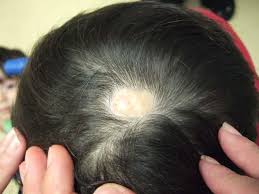
- Autoimmune diseases (like alopecia areata)
- Skin infections
- Scarring from burns or trauma
- Chemotherapy or radiation
- Malnutrition or severe illness
- Certain medications or toxic exposures
Who is at risk?
- Infants born with genetic disorders that affect hair growth
- People with family history of hair-related syndromes
- Those exposed to chemicals, infections, or autoimmune conditions
- Individuals with nutritional deficiencies or chronic illness
What are the symptoms of Hypotrichosis?
The main feature is sparse, thin, or absent hair, which may affect:
- Scalp
- Eyebrows and eyelashes
- Arms, legs, and body hair
- Facial hair in males
Hair may be:
- Very fine or brittle
- Slow-growing
- Prone to breakage
- In some cases, hair is absent altogether
Depending on the cause, other symptoms may be present, especially if hypotrichosis is part of a syndrome (such as dry skin, nail abnormalities, or dental issues).
How is Hypotrichosis diagnosed?
Diagnosis involves a clinical evaluation by a dermatologist or specialist. Tests may include:
- Medical and family history
- Scalp and hair examination
- Trichoscopy (scalp microscopy)
- Skin biopsy
- Genetic testing (especially for congenital forms)
- Blood tests (to check for underlying diseases or deficiencies)
How is Hypotrichosis treated?
There is no cure for congenital hypotrichosis, but management focuses on cosmetic and supportive treatments. For acquired forms, treatment of the underlying cause may help hair regrowth.
Treatment options may include:
- Topical treatments (like minoxidil, in some cases)
- Wigs or hair prosthetics for cosmetic purposes
- Scalp camouflage or micropigmentation
- Nutritional supplements (if deficiencies are present)
- Avoiding damaging hair practices
If an autoimmune or inflammatory condition is involved, medications like corticosteroids or immunosuppressants may be used.
What are the complications of Hypotrichosis?
While hypotrichosis is usually not life-threatening, it may lead to:
- Psychological distress
- Low self-esteem
- Social anxiety, especially in children and adolescents
- Sun sensitivity if scalp or skin is exposed
Supportive care, including counseling and cosmetic solutions, can significantly improve quality of life.
What is the outlook for people with Hypotrichosis?
The prognosis depends on the underlying cause:
- Congenital hypotrichosis is usually permanent, though not progressive.
- Acquired hypotrichosis may improve if the cause is identified and treated.
- Cosmetic options help many individuals live confidently despite hair loss.
With proper management and emotional support, people with hypotrichosis can lead healthy, fulfilling lives.