What is Hypoparathyroidism?
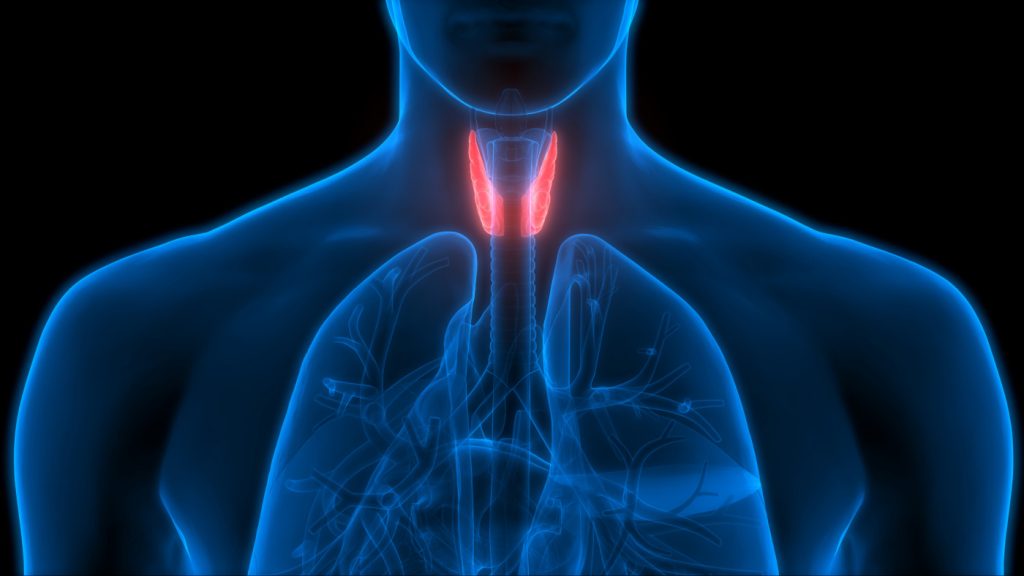
Hypoparathyroidism is a rare condition in which the parathyroid glands in the neck produce insufficient amounts of parathyroid hormone (PTH). PTH is essential for regulating the levels of calcium, phosphorus, and vitamin D in the body. Without enough PTH, calcium levels drop, and phosphorus levels may rise, leading to a range of symptoms.
What Causes Hypoparathyroidism?
The most common causes include:
- Surgical removal or damage to the parathyroid glands during thyroid or neck surgery (most common cause)
- Autoimmune diseases that attack the parathyroid glands
- Genetic disorders, such as DiGeorge syndrome
- Radiation therapy to the neck
- Low magnesium levels, which interfere with PTH production
- Idiopathic hypoparathyroidism, where the cause is unknown
What Are the Symptoms?
Symptoms usually arise due to low calcium levels (hypocalcemia) and may include:
- Muscle cramps or spasms (tetany)
- Tingling or numbness, especially in the fingers, toes, or lips
- Fatigue
- Anxiety or depression
- Dry skin and brittle nails
- Hair thinning or hair loss
- Seizures (in severe cases)
- Hoarseness or voice changes (if surgery affected nearby nerves)
In children, it can affect growth and development, including tooth formation and mental development.

How Is It Diagnosed?
Diagnosis involves:
- Blood tests to measure:
- Low calcium levels
- Low PTH levels
- High phosphorus levels
- Possibly low magnesium
- Urine tests to evaluate calcium excretion
- Genetic testing in cases of suspected inherited hypoparathyroidism
What Is the Treatment?
The primary goal is to restore and maintain normal calcium levels. Treatment usually includes:
- Oral calcium supplements
- Vitamin D supplements (especially active forms like calcitriol)
- Magnesium supplements (if deficient)
- High-calcium, low-phosphorus diet
- Recombinant PTH (in some cases, especially if standard therapy is ineffective)
People with hypoparathyroidism typically need lifelong treatment and monitoring.
Are There Any Complications?
Without proper management, hypoparathyroidism can lead to:
- Calcium deposits in the brain or kidneys
- Kidney stones
- Cataracts
- Impaired kidney function
- Seizures or cardiac arrhythmias from severe hypocalcemia
Regular follow-up and lab monitoring help prevent complications.
What Is the Outlook?
With consistent treatment and medical care, most people with hypoparathyroidism can lead healthy lives. However, it requires lifelong monitoring of calcium, phosphorus, kidney function, and vitamin D levels.