


What is Acute Disseminated Encephalomyelitis (ADEM)?
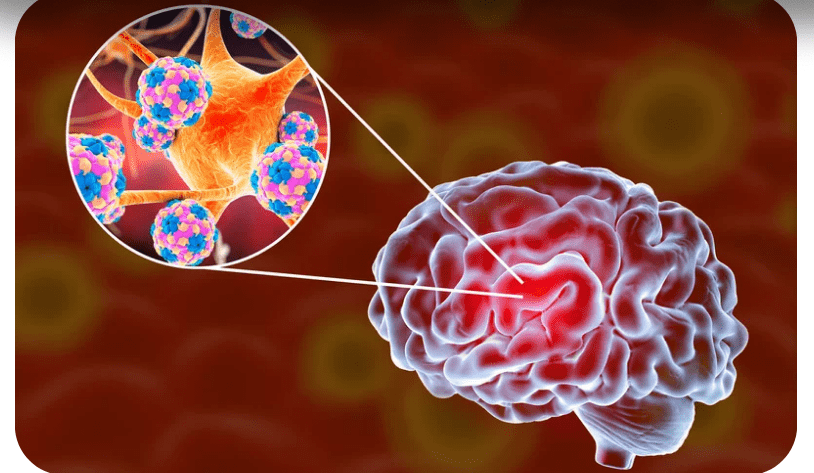
Acute Disseminated Encephalomyelitis (ADEM) is a rare but serious autoimmune disorder that causes sudden inflammation in the brain and spinal cord. It primarily affects the white matter, leading to neurological symptoms like weakness, confusion, vision problems, and even coma.
ADEM is most commonly seen in children and young adults and is often triggered by infections or, in rare cases, vaccinations. Unlike multiple sclerosis (MS), ADEM usually occurs once and does not cause long-term disease progression.
What Causes ADEM?
ADEM is an autoimmune reaction, where the body’s immune system mistakenly attacks the protective covering of nerve fibers (myelin) in the brain and spinal cord.
Common Triggers:
- Viral infections (e.g., measles, mumps, rubella, flu, COVID-19)
- Bacterial infections (e.g., Mycoplasma pneumoniae, Streptococcus)
- Recent vaccinations (rare, but can follow rabies or smallpox vaccines)
- Unknown causes (in some cases, no clear trigger is found)
What Are the Symptoms of ADEM?
Symptoms develop suddenly and worsen over hours to days.
Common Signs & Symptoms:
- Fever and headache
- Confusion and disorientation
- Drowsiness or coma (in severe cases)
- Weakness or paralysis in arms and legs
- Vision problems (blurry vision, double vision, or blindness)
- Seizures
- Speech difficulties
- Loss of coordination and balance (ataxia)
💡 Note: ADEM symptoms often resemble those of multiple sclerosis (MS), but ADEM usually occurs once and resolves with treatment.
How is ADEM Diagnosed?
ADEM can be difficult to diagnose since its symptoms mimic other neurological conditions.
Key Diagnostic Tests:
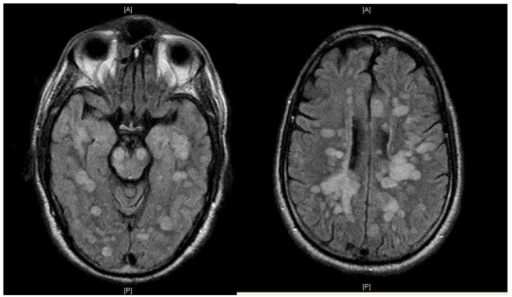
- MRI Scan (Brain & Spinal Cord Imaging) – Detects white matter inflammation.
- Lumbar Puncture (Spinal Tap) – Checks cerebrospinal fluid for signs of infection or inflammation.
- Blood Tests – Rules out infections, autoimmune diseases, or other conditions.
- Electroencephalogram (EEG) – Evaluates brain activity if seizures occur.
What Are the Treatment Options for ADEM?
Since ADEM is an autoimmune disorder, treatment focuses on reducing inflammation and controlling symptoms.
1. First-Line Treatment (Steroids & Immunotherapy)
- High-dose corticosteroids (IV Methylprednisolone) – Reduces inflammation in the brain.
- Oral steroids (Prednisone) – Given after IV steroids for a few weeks.
2. Second-Line Treatment (If Steroids Do Not Work)
- Plasma Exchange (Plasmapheresis) – Removes harmful antibodies from the blood.
- Intravenous Immunoglobulin (IVIG) – Provides healthy antibodies to control inflammation.
3. Supportive Care & Rehabilitation
- Physical therapy – Helps regain strength and coordination.
- Speech therapy – Improves speech and swallowing difficulties.
- Occupational therapy – Assists with daily activities and cognitive recovery.
Can ADEM Cause Complications?
Most patients recover fully within weeks to months, but some may have long-term effects.
Possible Complications:
- Memory and concentration problems (Cognitive Issues)
- Weakness or numbness in limbs
- Vision or speech difficulties
- Seizures (in rare cases)
- Risk of recurrence (5-25% chance, but much lower than MS)
How Can ADEM Be Prevented?
Since ADEM is often triggered by infections, prevention includes:
- Getting routine vaccinations (to prevent infections that may lead to ADEM)
- Practicing good hygiene (to avoid viral and bacterial infections)
- Seeking early treatment for infections