What Is Granulomatous Thyroiditis?
Granulomatous thyroiditis, also known as subacute thyroiditis or de Quervain’s thyroiditis, is a self-limiting inflammatory condition of the thyroid gland. It usually follows a viral infection and results in a painful, swollen thyroid. The inflammation often disrupts thyroid hormone production, leading to temporary hyperthyroidism followed by hypothyroidism before returning to normal function.
This condition most commonly affects middle-aged women and often occurs in clusters after viral illnesses like the flu or mumps.
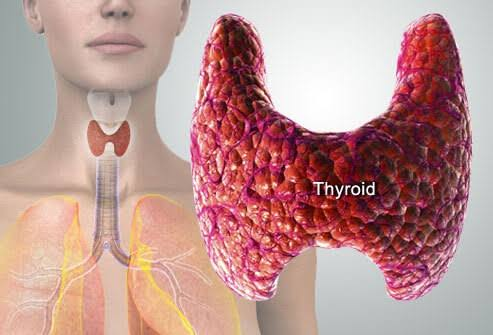
What Causes Granulomatous Thyroiditis?
The exact cause is not fully understood, but it is widely believed to be triggered by a viral infection. Common contributing factors include:
- Recent viral respiratory infections (e.g., influenza, adenovirus, coxsackievirus)
- Immune system reaction to viral antigens in thyroid tissue
- Seasonal outbreaks, particularly in the fall or after epidemics
- Genetic predisposition in some individuals
What Are the Symptoms of Granulomatous Thyroiditis?
Symptoms can vary depending on the stage of the disease:
- Pain in the front of the neck, which may radiate to the jaw or ears
- Tender and swollen thyroid gland
- Fever and fatigue
- Difficulty swallowing
- Transient symptoms of hyperthyroidism (early stage):
- Anxiety, palpitations, weight loss, heat intolerance
- Symptoms of hypothyroidism (later stage):
- Fatigue, weight gain, cold intolerance, dry skin
- Mild hoarseness or voice changes in some cases
How Is Granulomatous Thyroiditis Diagnosed?
A combination of clinical evaluation and diagnostic tests is used to confirm the diagnosis:
- Physical examination – Painful and enlarged thyroid gland
- Blood tests:
- Elevated ESR (erythrocyte sedimentation rate) and CRP (inflammatory markers)
- Abnormal thyroid hormone levels (initially high T3 and T4, then low)
- Low TSH in early stages, high TSH in later stages
- Thyroid function tests – To assess hormone levels over time
- Radioactive iodine uptake scan – Typically low uptake during inflammation
- Ultrasound of the thyroid – May show patchy hypoechoic areas
What Are the Treatment Options for Granulomatous Thyroiditis?
Most cases resolve on their own, but treatment is aimed at relieving symptoms:
- NSAIDs (e.g., ibuprofen) – To reduce pain and inflammation
- Corticosteroids (e.g., prednisone) – For severe or persistent pain
- Beta-blockers (e.g., propranolol) – To manage symptoms of hyperthyroidism
- Thyroid hormone replacement (levothyroxine) – If hypothyroidism becomes prolonged
- Rest and hydration – Supportive care during recovery
What Complications Can Occur from Granulomatous Thyroiditis?
Most people recover fully, but complications may include:
- Persistent hypothyroidism requiring long-term hormone replacement
- Recurrence of thyroiditis (rare)
- Misdiagnosis as thyroid cancer due to nodular swelling
- Thyroid storm (very rare and only in severe cases)
Can Granulomatous Thyroiditis Be Prevented?
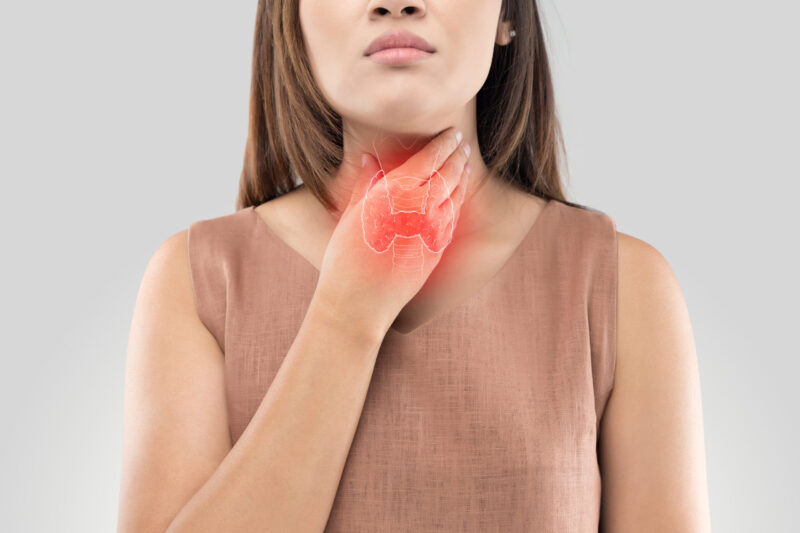
There is no specific way to prevent granulomatous thyroiditis. However, general measures include:
- Prompt treatment of viral infections
- Monitoring thyroid function after upper respiratory illnesses in predisposed individuals
- Regular follow-up with a healthcare provider if thyroid symptoms appear
How to Manage Granulomatous Thyroiditis for Better Quality of Life?
For Individuals:
- Follow all medication and treatment plans as prescribed
- Attend regular follow-ups to monitor thyroid function
- Watch for signs of recurrence or lasting thyroid dysfunction
- Rest and manage stress to support immune recovery
For Family Members and Caregivers:
- Offer support during the painful phases
- Encourage adherence to medications and follow-up appointments
- Understand that hormone fluctuations may affect mood and energy levels