What Is Graft-versus-Host Disease?
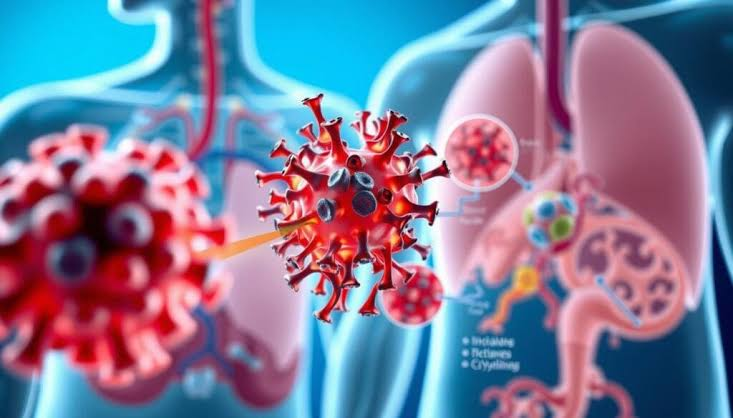
Graft-versus-Host Disease (GVHD) is a condition that can occur after a bone marrow or stem cell transplant. It happens when the donor’s immune cells (the graft) see the recipient’s body (the host) as foreign and start attacking healthy tissues. GVHD mainly affects organs like the skin, liver, and gastrointestinal tract.
This condition is most commonly seen in allogeneic transplants, where stem cells come from a donor (rather than the patient’s own cells).
What Causes Graft-versus-Host Disease?
GVHD is caused by a mismatch or partial mismatch between the donor’s and recipient’s immune systems. Even with close matching of human leukocyte antigens (HLA), some degree of immune reaction may occur.
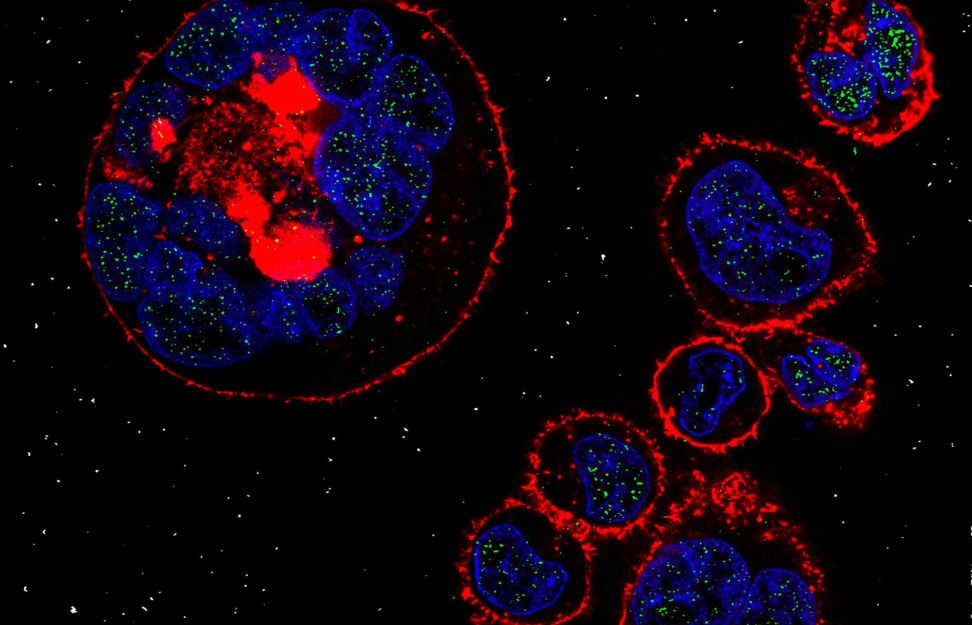
When donor T-cells recognize the recipient’s body as foreign, they attack tissues, leading to inflammation and damage.
What Are the Types of GVHD?
GVHD is typically classified into two main types:
- Acute GVHD (within the first 100 days after transplant):
- Affects the skin, liver, and gastrointestinal tract
- Severity can range from mild to life-threatening
- Chronic GVHD (after 100 days post-transplant):
- Can affect multiple organs, including eyes, lungs, joints, and skin
- Often has autoimmune-like symptoms.
What Are the Symptoms of GVHD?
Acute GVHD Symptoms:
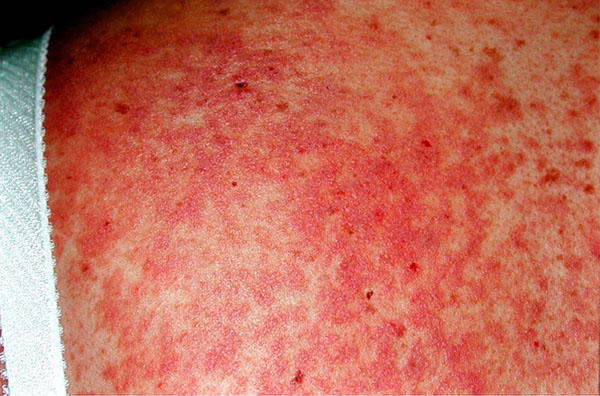
- Skin rash (starting on the palms or soles and spreading)
- Itchy or red skin
- Diarrhea, abdominal cramps
- Nausea or vomiting
- Jaundice or yellowing of the skin and eyes
Chronic GVHD Symptoms:
- Dry eyes or mouth
- Skin tightening or thickening (scleroderma-like)
- Joint stiffness or pain
- Lung problems (shortness of breath, coughing)
- Weight loss and fatigue
- Liver dysfunction
How Is GVHD Diagnosed?
Diagnosis is based on symptoms, physical exams, and tests:
- Skin biopsy: Confirms GVHD in skin rashes
- Blood tests: To assess liver function and inflammation
- Stool studies: For gastrointestinal symptoms
- Liver biopsy or endoscopy: In more complex cases
- Pulmonary function tests: If the lungs are involved
What Are the Treatment Options for GVHD?
Treatment focuses on suppressing the donor immune response while preserving the transplant’s benefits:
- Corticosteroids (e.g., prednisone): First-line treatment for both acute and chronic GVHD
- Immunosuppressive agents: Such as cyclosporine, tacrolimus, or sirolimus
- Biologic therapies: Like ruxolitinib or extracorporeal photopheresis (ECP) in steroid-resistant GVHD
- Supportive care: Includes antibiotics, nutritional support, and skin or eye care
Can GVHD Cause Complications?
Yes, especially in its chronic form. Possible complications include:
- Severe infections due to immune suppression
- Organ damage (especially liver and lungs)
- Malnutrition or gastrointestinal problems
- Vision issues or dry eyes
- Decreased quality of life due to chronic symptoms
How to Manage GVHD for a Better Quality of Life?
For Patients:
- Take medications exactly as prescribed
- Report new or worsening symptoms promptly
- Maintain good hygiene to avoid infections
- Follow a healthy, balanced diet recommended by a nutritionist
For Caregivers and Families:
- Support the patient with daily care and emotional encouragement
- Help manage medications and appointments
- Learn about the condition to respond quickly to complications
Lifestyle Tips:
- Avoid sun exposure to prevent skin reactions
- Use moisturizers for dry skin
- Stay hydrated and eat soft, nutritious meals for gut symptoms
- Use eye drops or protective eyewear for dry eyes