What Is Gum Disease?
Gum disease, also known as periodontal disease, is a common condition that affects the tissues around the teeth, including the gums, ligaments, and bones. It typically starts with inflammation of the gums (gingivitis) and can progress to more serious infection and tooth loss if left untreated.
What Causes Gum Disease?
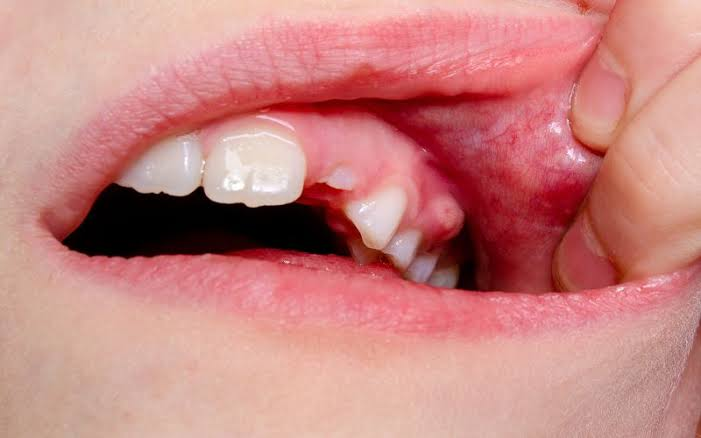
Gum disease is primarily caused by plaque buildup — a sticky film of bacteria that forms on the teeth. If not cleaned off regularly, plaque hardens into tartar and causes gum irritation and infection.
Common causes and risk factors include:
- Poor oral hygiene
- Smoking or tobacco use
- Hormonal changes (e.g., pregnancy, menopause)
- Diabetes
- Genetics
- Certain medications (that reduce saliva flow)
- Poor nutrition or vitamin deficiencies
- Crooked teeth that are hard to clean
Stages of Gum Disease
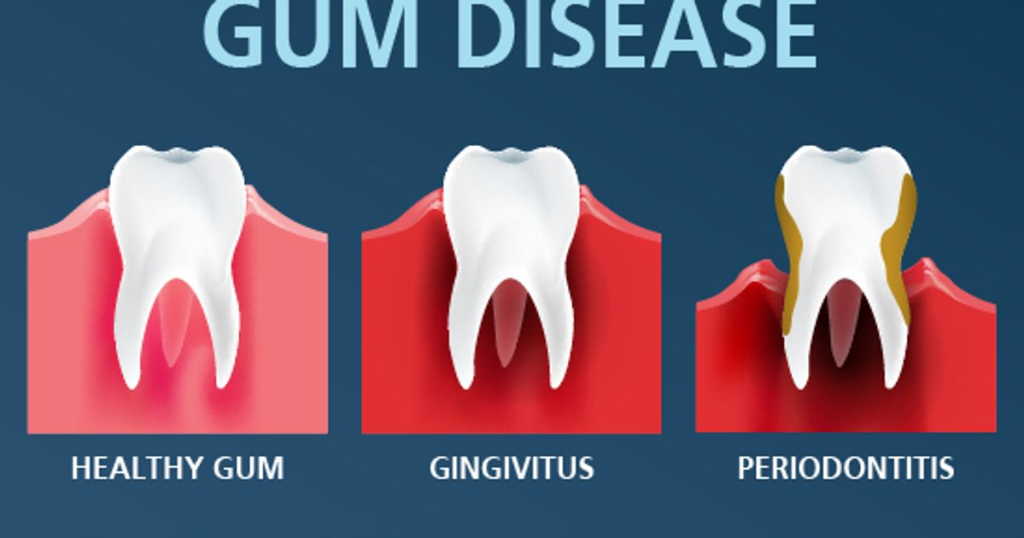
- Gingivitis – Early stage involving red, swollen, and bleeding gums. It is reversible with good dental care.
- Periodontitis – Advanced stage where the gums pull away from the teeth, creating pockets that collect bacteria. It can lead to bone and tooth loss.
Symptoms of Gum Disease
Early symptoms may be mild, but as the condition worsens, you may notice:
- Red, swollen, or tender gums
- Bleeding while brushing or flossing
- Persistent bad breath
- Receding gums
- Loose or shifting teeth
- Pain while chewing
- Pus between the teeth and gums
How Is Gum Disease Diagnosed?
Your dentist or periodontist may:
- Examine your gums for signs of swelling or bleeding
- Measure pocket depth between your gums and teeth using a probe
- Take X-rays to check bone loss around teeth
- Review your symptoms and oral care habits
Treatment for Gum Disease
Treatment depends on the severity of the disease:
- Professional cleaning – Removes plaque and tartar (scaling and root planing)
- Improved oral hygiene – Brushing twice daily, flossing, and using mouthwash
- Antibiotic therapy – To reduce bacterial infection
- Surgical treatments – In advanced cases (flap surgery, bone grafts, or tissue regeneration)
- Ongoing maintenance – Regular dental visits to manage gum health
Complications of Gum Disease
Untreated gum disease can lead to:
- Tooth loss
- Gum and bone destruction
- Chronic bad breath
- Increased risk of heart disease, stroke, or diabetes complications
- Pregnancy complications (like premature birth)
Can Gum Disease Be Prevented?
Yes, with consistent care and healthy habits:
- Brush your teeth twice daily with fluoride toothpaste
- Floss daily to remove plaque between teeth
- Use an antibacterial mouthwash
- Avoid tobacco
- Eat a balanced diet
- See your dentist regularly for cleanings and check-ups
Living with Gum Disease
With early detection and proper care, gum disease can be managed or even reversed. Maintaining good oral hygiene and keeping up with dental appointments are key to protecting your teeth and gums long-term.