


What is Acral Lentiginous Melanoma?
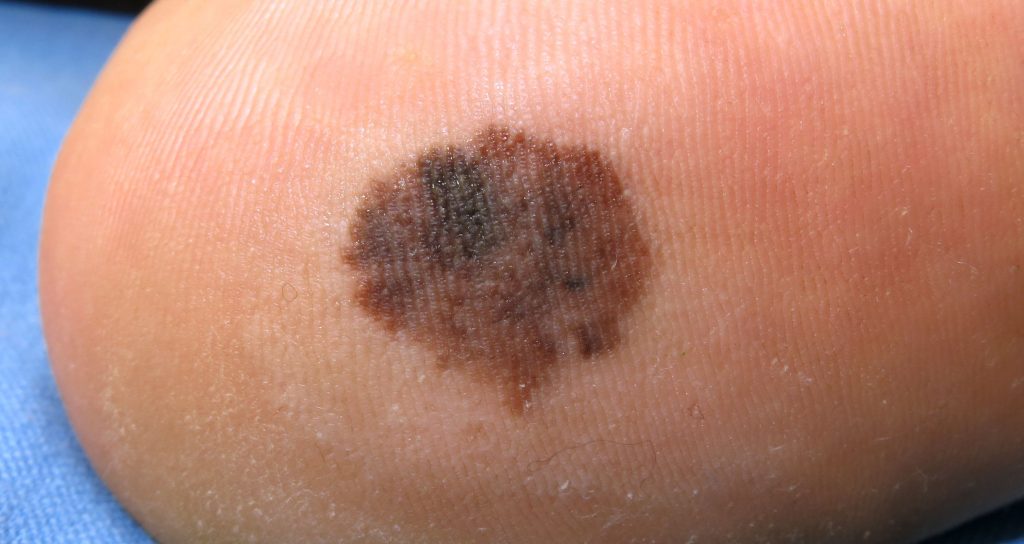
Acral Lentiginous Melanoma (ALM) is a rare but aggressive type of skin cancer that appears on the palms, soles of the feet, and under the nails. Unlike other melanomas, ALM is not strongly linked to sun exposure and can affect individuals of all skin tones, though it is more common in people with darker skin.
What Causes Acral Lentiginous Melanoma?
The exact cause of ALM is unknown, but it is believed to result from genetic mutations rather than UV exposure.
Risk Factors:
- Genetic mutations – May play a role in cell overgrowth
- Chronic skin trauma or pressure – Frequent irritation on hands and feet
- Weakened immune system – Conditions like HIV or organ transplant recipients
- Age – More common in adults over 50
- Darker skin tones – Higher prevalence in African, Hispanic, and Asian populations
What Are the Symptoms of Acral Lentiginous Melanoma?
ALM starts as a small, irregular dark spot that gradually grows. It may go unnoticed for a long time due to its location.
Common Signs & Symptoms:
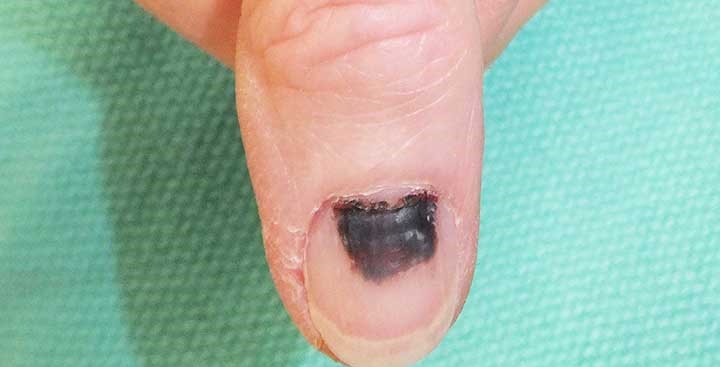
- Dark, unevenly pigmented patches on the palms, soles, or under the nails
- Slow-growing lesion with irregular borders
- Changes in color – Can be black, brown, blue, or reddish
- Bleeding, ulceration, or crusting as the melanoma progresses
- Under-nail streak (subungual melanoma) – Dark stripe or discoloration in the nail that spreads
How Is Acral Lentiginous Melanoma Diagnosed?
Early detection is crucial for survival, as ALM is often diagnosed at later stages.
Diagnostic Tests:
- Physical Examination – Dermatologist checks suspicious skin lesions
- Dermoscopy – Magnified skin examination for abnormal pigmentation
- Skin Biopsy – Tissue sample analyzed for melanoma cells
- Imaging Tests (MRI, CT, PET Scan) – To check if cancer has spread
- Lymph Node Biopsy – Determines if melanoma has spread to the lymphatic system
What Are the Treatment Options for Acral Lentiginous Melanoma?
Treatment depends on the stage of melanoma and whether it has spread.
1. Surgical Removal (Primary Treatment)
- Wide local excision – Removes the melanoma and surrounding healthy tissue
- Amputation (in severe cases) – If melanoma deeply affects fingers or toes
2. Lymph Node Removal (If Spread is Confirmed)
- Sentinel lymph node biopsy – Determines if cancer has reached lymph nodes
- Lymphadenectomy – Removal of affected lymph nodes if cancer is detected
3. Targeted Therapy & Immunotherapy (For Advanced Melanoma)
- Checkpoint inhibitors (Immunotherapy) – Boosts the immune system to fight cancer
- Pembrolizumab (Keytruda)
- Nivolumab (Opdivo)
- Targeted therapy drugs – Used if genetic mutations (e.g., c-KIT mutations) are found
- Imatinib, Nilotinib
4. Radiation Therapy & Chemotherapy (For Metastatic ALM)
- Radiation therapy – Used if surgery isn’t possible or to shrink tumors
- Chemotherapy – For cases where melanoma has spread beyond the skin
Can Acral Lentiginous Melanoma Cause Complications?
If untreated, ALM can spread to lymph nodes, bones, lungs, or brain, leading to:
- Organ failure
- Severe pain and nerve damage
- High risk of recurrence even after treatment