


What is fat necrosis?
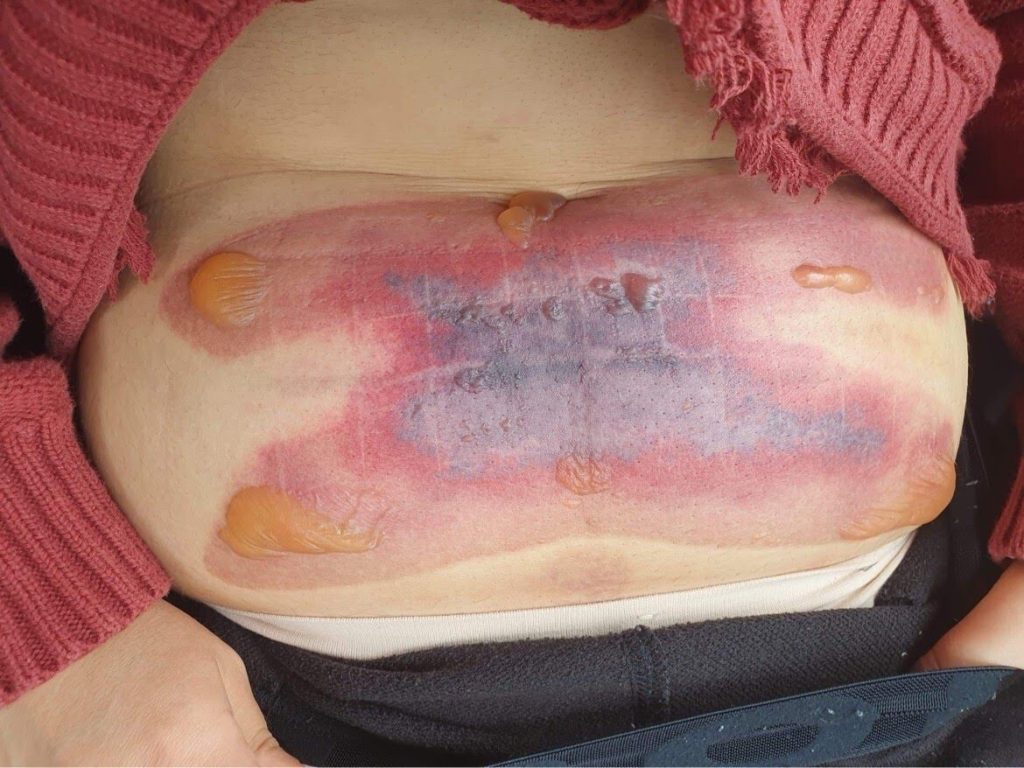
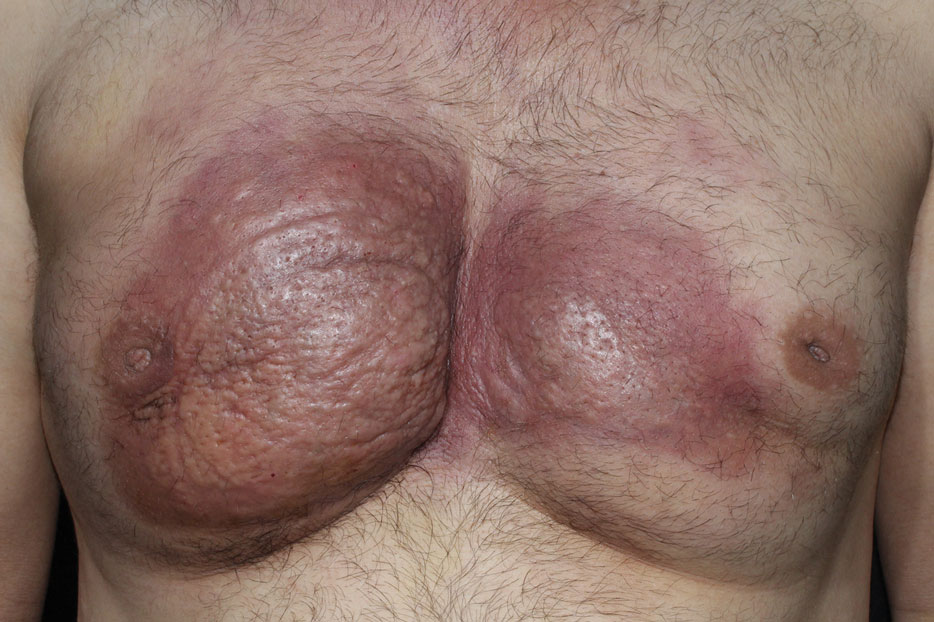
Fat necrosis is a benign (non-cancerous) condition that occurs when an area of fatty tissue is damaged, causing the fat cells to die. This leads to the formation of firm lumps under the skin, often resembling tumors. It is most commonly seen in the breast but can occur anywhere in the body where fat is present.
What causes fat necrosis?
Fat necrosis typically develops after:
- Trauma or injury (e.g. a direct blow or accident)
- Surgery, especially cosmetic or breast surgeries
- Radiation therapy
- Injections or other procedures that disrupt fatty tissue
- Infections or inflammation in fatty areas
When fat cells die, they release their contents, which can trigger an inflammatory response and cause the formation of scar tissue or cysts.
Where does fat necrosis commonly occur?
Although fat necrosis can occur in many areas, common sites include:
- Breast (most frequently affected, especially after surgery or trauma)
- Buttocks (after injections)
- Abdomen
- Thighs
- Other fatty areas subjected to trauma or surgical manipulation
What are the symptoms of fat necrosis?
Symptoms can vary but usually include:
- A firm, round, or irregular lump under the skin
- Painless or mildly tender mass
- Skin dimpling or retraction (in breast cases)
- Redness or bruising (if recent trauma occurred)
- In some cases, nipple changes or discharge (in breast fat necrosis)
It may feel similar to a cancerous lump, which is why evaluation is important.
How is fat necrosis diagnosed?
Diagnosis typically involves:
- Clinical examination by a healthcare provider
- Imaging tests such as:
- Mammogram (for breast lumps)
- Ultrasound (to check if the lump is solid or cystic)
- MRI or CT scan (if deeper fat tissue is involved)
- Biopsy may be performed if the diagnosis is uncertain or to rule out cancer
Is fat necrosis dangerous?
No, fat necrosis is not cancer and does not increase the risk of cancer. However, because it can mimic cancerous lumps, especially in the breast, medical evaluation is essential to confirm the diagnosis.
How is fat necrosis treated?
In many cases, no treatment is needed, as the lump may shrink or go away on its own. However, treatment options include:
- Observation and regular monitoring
- Warm compresses and anti-inflammatory medications for comfort
- Aspiration or drainage if fluid-filled or painful
- Surgical removal if the lump is persistent, growing, painful, or cosmetically concerning
Can fat necrosis be prevented?
There is no guaranteed way to prevent fat necrosis, but you can reduce risk by:
- Minimizing trauma to soft tissue areas
- Following post-surgical care instructions carefully
- Using proper injection techniques and rotating injection sites
- Treating any infections promptly
When should you see a doctor?
Consult a healthcare provider if you notice:
- A new lump or mass anywhere in the body
- Changes in the size, texture, or appearance of an existing lump
- Pain, redness, or warmth at the site
- Nipple changes or breast discharge
- A history of trauma followed by lump formation
Prompt evaluation helps rule out more serious conditions and ensures proper management.