What Is Facial Asymmetry?
Facial asymmetry means that the two sides of the face are not perfectly mirror images of each other. While mild asymmetry is completely normal and common in everyone, noticeable or sudden changes in facial symmetry can sometimes indicate underlying medical or structural issues.
Is Facial Asymmetry Normal?
Yes, a small degree of asymmetry is completely natural. Most people have subtle differences between the left and right sides of their face. These might include one eye being slightly higher, one cheek being fuller, or a jaw that’s not perfectly aligned.
However, significant or sudden changes in symmetry could be a sign of something more serious and may require medical attention.
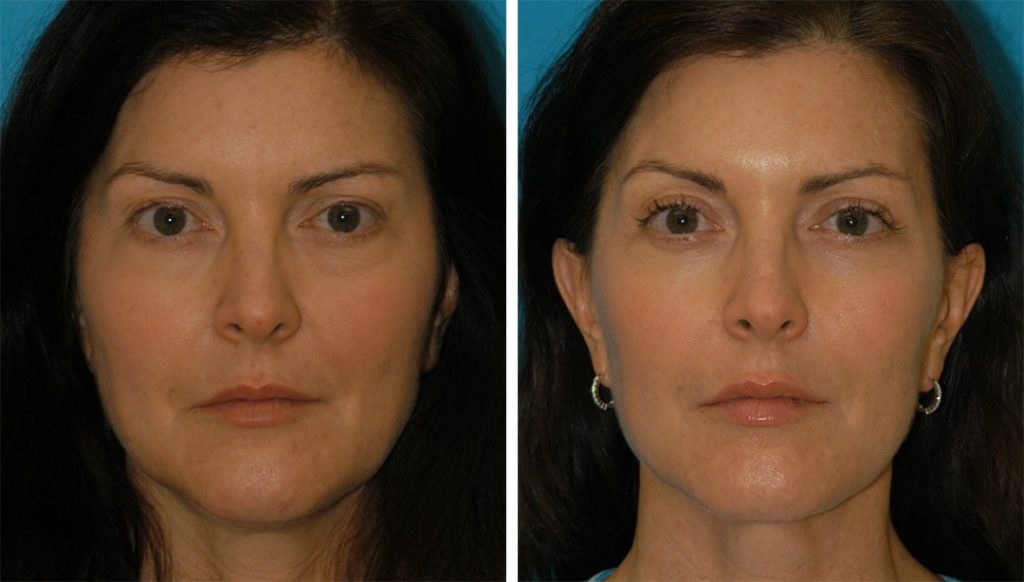
What Are the Common Causes of Facial Asymmetry?
Facial asymmetry can be caused by a variety of factors, including:
1. Genetics
Some people are born with features that are naturally asymmetrical due to hereditary traits.
2. Developmental Factors
Conditions that affect growth during childhood, such as craniofacial disorders or trauma, can lead to long-term asymmetry.
3. Injury or Trauma
Accidents, fractures, or surgeries involving the face or jaw can result in asymmetrical healing or bone structure.
4. Dental Issues
Misaligned teeth, jaw problems, or TMJ (temporomandibular joint) disorders can affect the balance of facial muscles and bones.
5. Bell’s Palsy
A temporary condition that causes sudden weakness or paralysis on one side of the face, leading to visible asymmetry.
6. Stroke
A stroke can cause facial drooping or paralysis, typically on one side, and is a medical emergency.
7. Muscle Imbalance
Uneven use of facial muscles over time—such as from chewing only on one side—can cause muscles to develop differently.
8. Aging
As we age, facial fat distribution, skin elasticity, and bone structure naturally change, often leading to increased asymmetry.
9. Tumors or Growths
Benign or malignant tumors in the facial area can lead to visible asymmetry.
What Are the Symptoms of Facial Asymmetry?
Symptoms may vary depending on the cause but can include:
- Uneven eyes, brows, or cheeks
- Crooked smile or lips
- One side of the jaw appearing larger or smaller
- Difficulty closing one eye
- Facial drooping
- Changes in speech or eating (in neurological cases)
How Is Facial Asymmetry Diagnosed?
Doctors or specialists will usually:
- Conduct a physical exam
- Review medical and dental history
- Order imaging tests such as X-rays, CT scans, or MRIs (if needed)
- Recommend a neurological or dental evaluation if appropriate
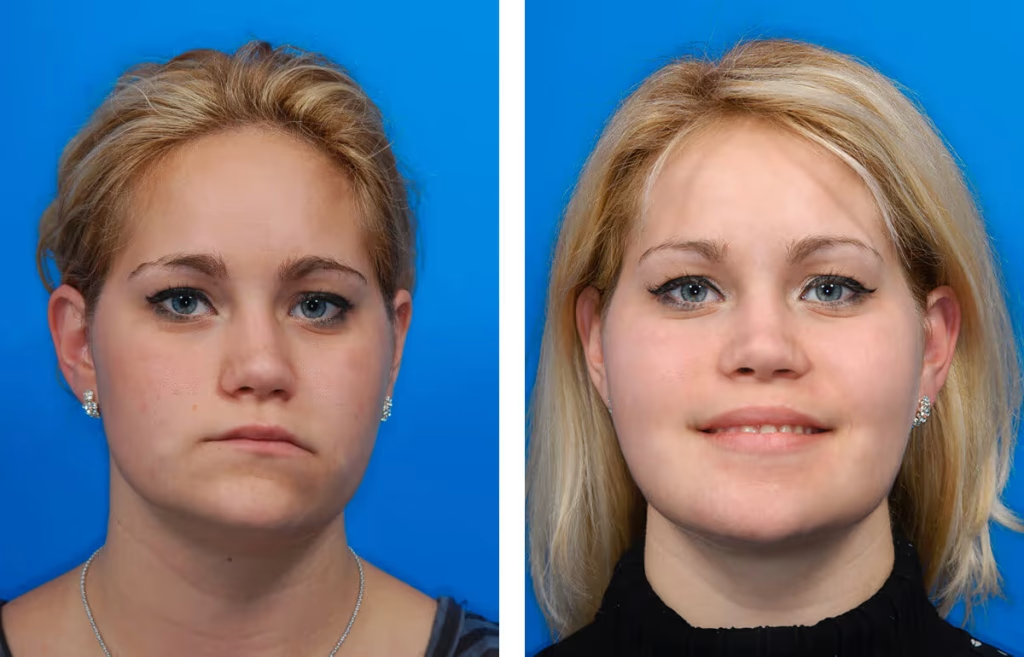
What Are the Treatment Options?
Treatment depends on the underlying cause and severity:
Mild or Cosmetic Asymmetry
- No treatment needed if it doesn’t affect function or self-esteem
- Cosmetic procedures like fillers, Botox, or facial contouring
- Orthodontic treatment to correct bite or jaw misalignment
Medical Causes
- Medication (e.g., steroids for Bell’s palsy)
- Physical therapy to improve muscle control
- Surgery for structural issues, tumors, or after trauma
- Speech or occupational therapy in stroke-related cases
Can Facial Asymmetry Be Prevented?
While some causes can’t be prevented, you can reduce risk by:
- Wearing protective gear during contact sports or risky activities
- Treating dental or jaw problems early
- Maintaining good posture and facial muscle balance
- Seeking prompt care for infections, Bell’s palsy, or stroke symptoms
When Should You See a Doctor?
You should consult a doctor or specialist if you notice:
- Sudden or worsening facial drooping
- Difficulty speaking, chewing, or swallowing
- Numbness or weakness in your face
- Any unexplained changes in facial appearance