What Is Fifth Disease?
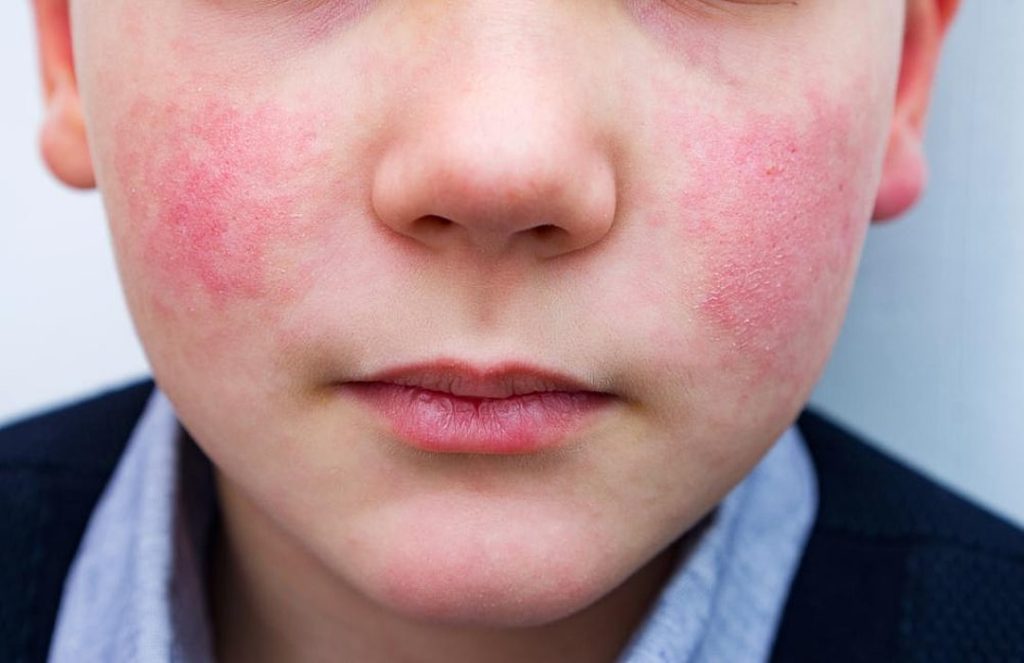
Fifth disease, also known as erythema infectiosum, is a mild viral illness that primarily affects children but can also occur in adults. It’s caused by parvovirus B19 and is most known for its “slapped cheek” rash on the face.
The name “fifth disease” comes from its historical classification as the fifth common childhood rash illness (after measles, scarlet fever, rubella, and Duke’s disease).
Who Can Get Fifth Disease?
- Most common in children aged 5 to 15
- Can also affect adults, especially parents, teachers, or healthcare workers
- People with weakened immune systems or certain blood disorders may be at higher risk for complications
What Are the Symptoms of Fifth Disease?
The illness often appears in two stages:
Stage 1 – Early (Before Rash)
These symptoms may resemble a cold or mild flu:
- Fever
- Runny nose
- Headache
- Sore throat
- Fatigue or tiredness
- Mild body aches
This stage typically lasts a few days and may be so mild it’s missed.
Stage 2 – Rash Appears
After a few days, the signature rash develops:
- Bright red rash on the cheeks (looks like the face has been slapped)
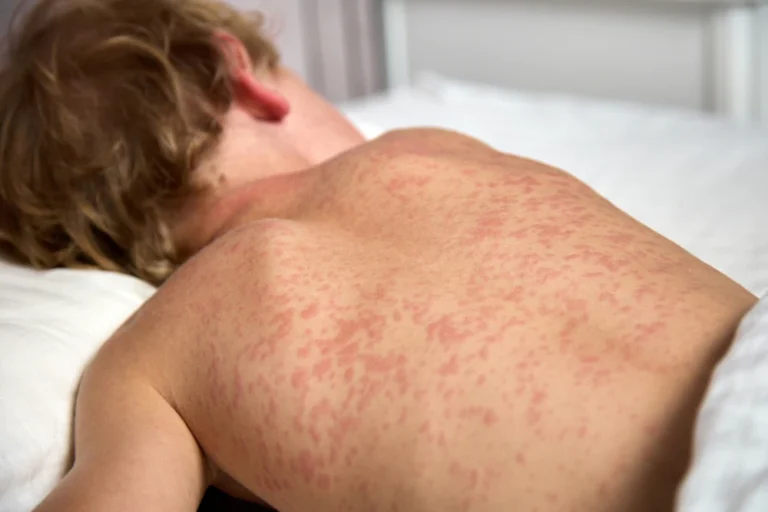
- May be followed by a lace-like pink rash on the arms, legs, and trunk
- The rash can fade and return with sunlight, heat, or exercise
Other Possible Symptoms:
- Itchy skin
- Joint pain or swelling (more common in teens and adults)
- In adults, rash may not appear, but joint pain can last weeks
Is Fifth Disease Contagious?
Yes, but only in the early phase, before the rash appears.
- Spread through respiratory droplets (coughing, sneezing)
- Once the rash shows, the person is usually no longer contagious
- Most contagious during the “cold-like” stage
How Long Does It Last?
- Symptoms usually go away within 1 to 3 weeks
- Rash may come and go for a few weeks, especially after sun exposure or exercise
How Is Fifth Disease Diagnosed?
Most cases are diagnosed based on the appearance of the rash and medical history. If needed, a blood test can confirm parvovirus B19 infection, especially in:
- Pregnant individuals
- People with anemia or immune problems
- Adults with joint pain but no rash
How Is Fifth Disease Treated?
There is no specific treatment since it’s a viral infection and usually mild.
Common supportive care includes:
- Rest
- Drinking plenty of fluids
- Acetaminophen (Tylenol) or ibuprofen for fever or joint pain
- Avoiding direct sunlight or heat if rash worsens
Antibiotics are not needed, as this is not a bacterial infection.
Can Fifth Disease Cause Complications?
Most people recover without problems, but certain groups need to be cautious:
Possible Complications:
- Pregnancy: Infection in early pregnancy can (rarely) lead to miscarriage or fetal anemia
- People with anemia or sickle cell disease: Can develop a serious drop in red blood cells
- Immunocompromised individuals: May have prolonged or severe illness
When to See a Doctor
- If a child has a high fever that doesn’t go away
- If the rash spreads rapidly or is accompanied by severe itching or other unusual symptoms
- If a pregnant person has been exposed to someone with fifth disease
- If someone with a weakened immune system or blood disorder shows symptoms